Ganesh Chaturthi: Foods Loved By Lord Ganesha And Their Religious Significance
Ganesh Chaturthi: Foods Loved By Lord Ganesha And Their Religious Significance


The grand celebration of Ganesh Chaturthi is inextricably linked to a vibrant tradition of sacred food offerings, known as naivedya. Exploring the primary dishes favoured by Lord Ganesha, from steamed sweet dumplings to aromatic modaks, reveals how simple ingredients like rice flour, jaggery, coconut, and sesame carry deep spiritual symbolism and ancient Ayurvedic significance.
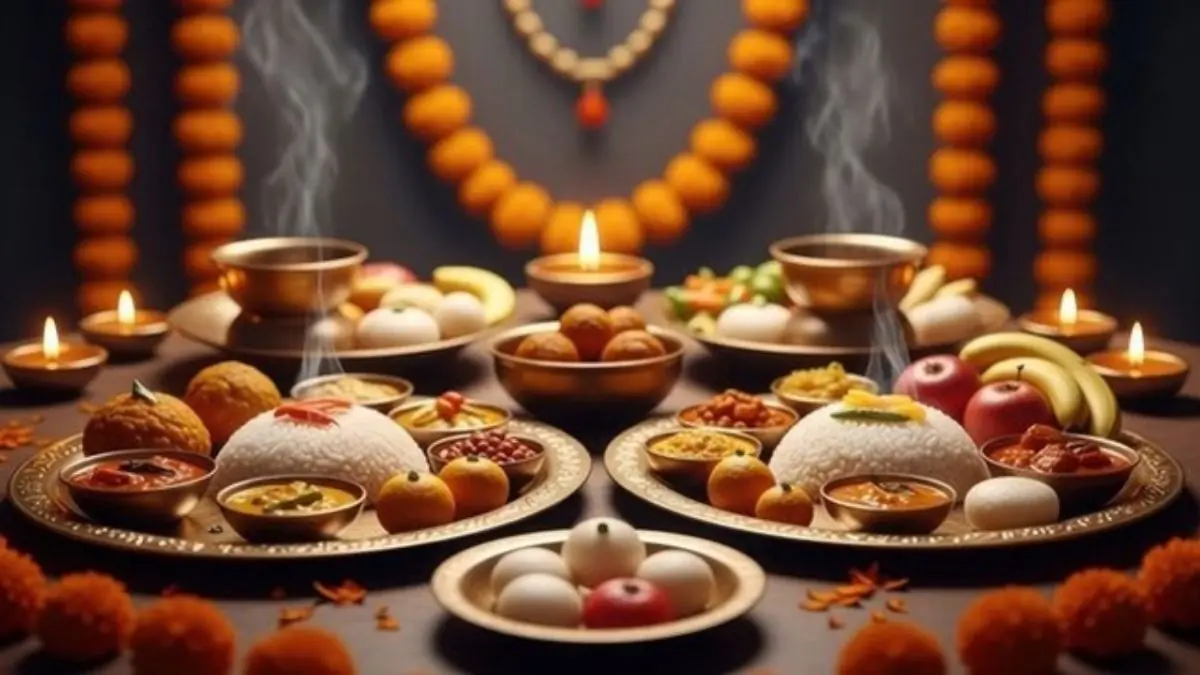
Ganesh Chaturthi marks the joyful arrival of Lord Ganesha, the deity revered as the remover of obstacles and the lord of new beginnings. Central to this festival is the preparation of naivedya, an elaborate array of traditional foods offered to the deity before being distributed among devotees as blessed prasad. The culinary traditions surrounding Ganesh Chaturthi are unique because they reflect the distinct iconographic traits of Lord Ganesha himself, who is affectionately depicted as a lover of good food and sweet treats. Beyond satisfying the visual and gastronomic aspects of the festival, every single dish placed on the offering altar carries a profound symbolic meaning rooted in ancient scriptures and traditional health practices. Understanding the religious significance and symbolic meaning behind these favourite foods transforms the act of festival cooking into a deeply spiritual and fulfilling experience.
Ukadiche Modak: The Sweet Of Supreme Wisdom
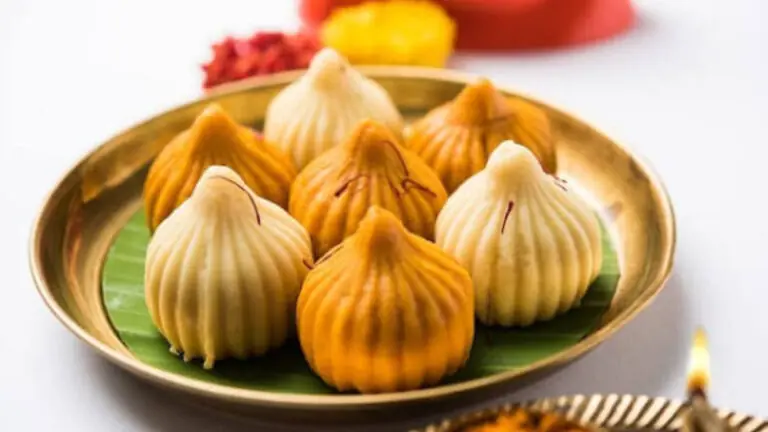
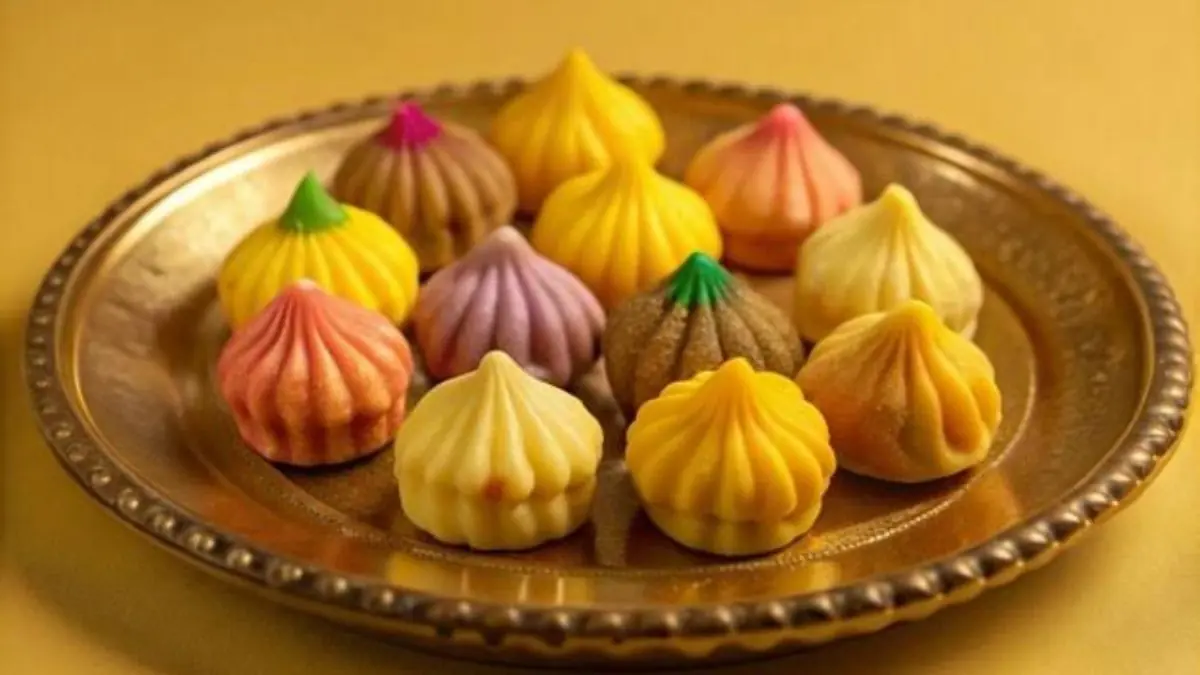
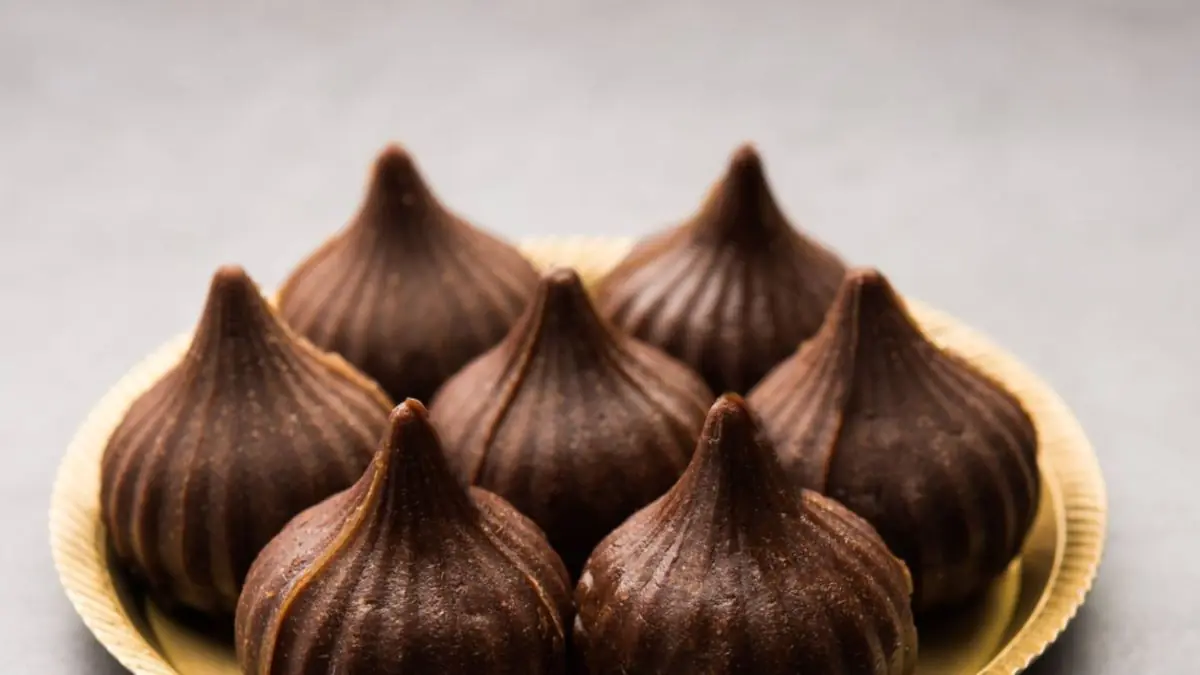
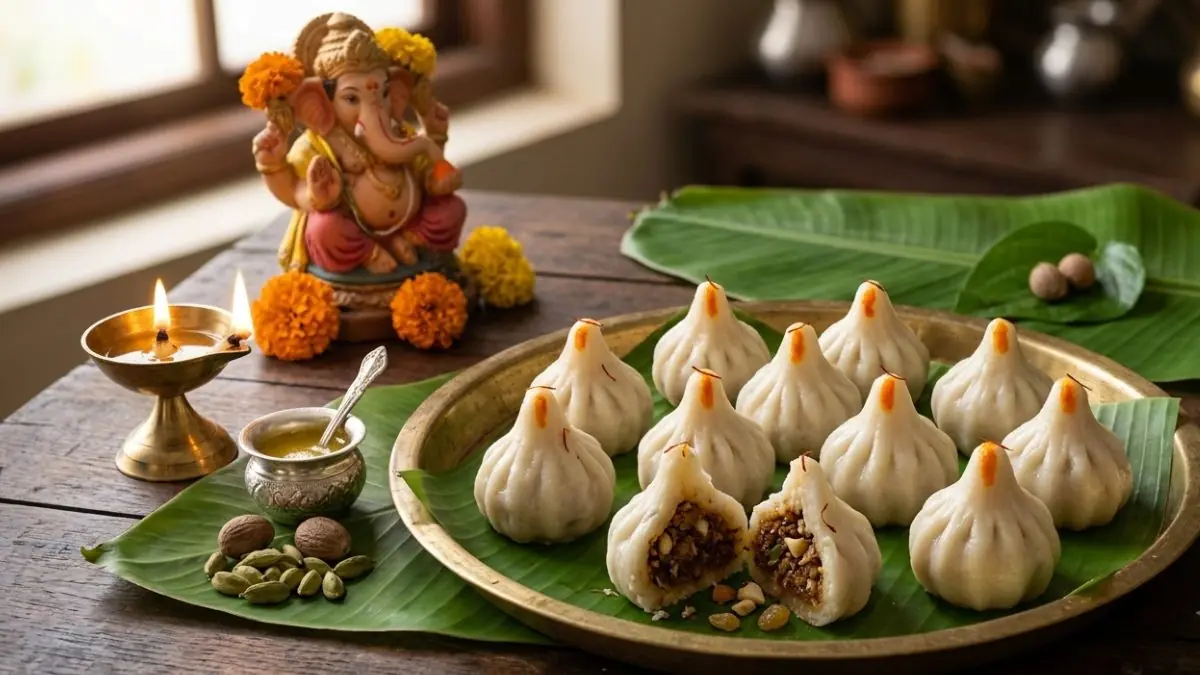
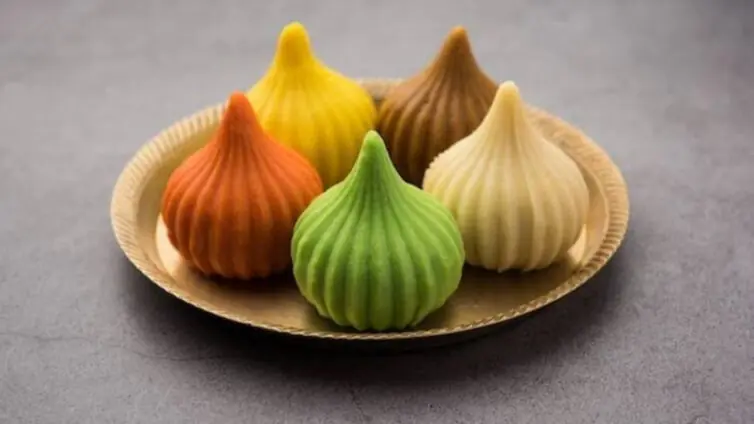
The modak holds the undisputed crown as Lord Ganesha’s absolute favourite sweet, earning him the beloved moniker Modakapriya. Among its many regional variations, the steamed Ukadiche Modak from Maharashtra stands out as the most spiritually significant. The dish consists of a delicate, soft outer shell made from steamed rice flour dough, which encases a rich, aromatic filling of freshly grated coconut and melted jaggery flavoured with cardamom and nutmeg. The unique teardrop shape of the modak, with its distinct pleated top, is said to represent the droplet of divine wisdom and enlightenment. Creating the perfect Ukadiche Modak is an art form that requires extreme care. Steaming the delicate rice flour dumplings ensures they remain soft, translucent, and easy to digest. To steam these dumplings uniformly without letting excess condensation make the dough soggy, utilising a reliable setup like the Pressure Cooker with a steamer attachment provides optimal steam distribution. Offering twenty-one modaks to the deity during the main puja symbolizes complete devotion and the sweetness that spiritual knowledge brings to human life.
Puran Poli: The Symbol Of Abundance And Wholesomeness
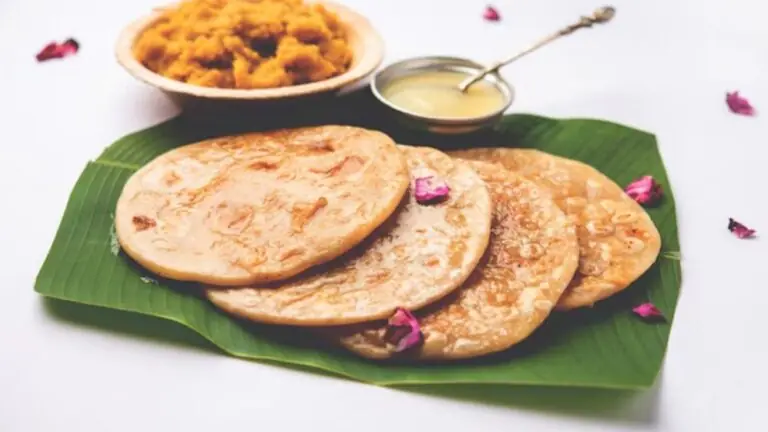
Puran Poli is a celebrated festive flatbread that holds a central place in the Ganesh Chaturthi feast across western and southern India. This comforting dish features a soft whole wheat or refined flour dough stuffed with a dense, sweet filling known as puran, made from boiled chana dal, jaggery, cardamom, and a pinch of nutmeg. The process of preparing puran requires cooking the lentils until they are completely tender before mashing them into a smooth, thick paste alongside the jaggery. This sweet lentil mixture represents inner richness, abundance, and the sweet reward that comes after hard physical labor. Rolling out the stuffed dough thinly without letting the sweet lentil filling burst through demands a gentle touch. Roasting the poli on a hot griddle with generous splashes of pure ghee creates a golden, flaky exterior with a soft, sweet interior. Using a heavy, flat pan like the Granite Tawa ensures even heat distribution across the entire surface, preventing the delicate flatbread from scorching or sticking. Served warm with a ladle of melted ghee, Puran Poli signifies warmth, family unity, and physical nourishment.
Motichoor Laddoo: Representing Unity And Cosmic Energy
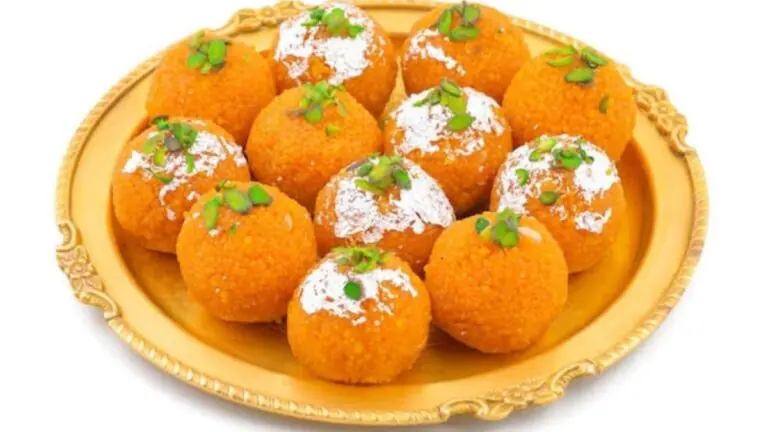
The bright orange, spherical Motichoor Laddoo is another iconic sweet universally associated with Lord Ganesha, frequently depicted resting right in the palm of his lower left hand. These laddoos are crafted by passing a smooth chickpea flour batter through a perforated spoon into hot ghee, creating tiny fried droplets known as boondi. These tiny golden pearls are then soaked in a warm, saffron-infused sugar syrup before being pressed together into firm, sweet spheres studded with melon seeds and cardamom. The symbolic meaning of the motichoor laddoo is deeply philosophical. The microscopic droplets of boondi represent individual souls or scattered energies, while the act of binding them together into a single, cohesive sphere symbolizes unity, harmony, and cosmic wholeness. From a culinary perspective, achieving the exact thread consistency of the sugar syrup is critical; if the syrup is too thick, the laddoos become hard, and if it is too thin, they fail to hold their shape. The precise wattage control of an induction cooktop eliminates the guesswork, allowing cooks to maintain the sugar syrup at the exact temperature needed for perfect boondi absorption.
Panchamrit: The Five Nectars Of Divine Purification
Panchamrit is a sacred liquid offering composed of five primary natural ingredients: fresh milk, curd, pure honey, unrefined sugar, and clarified butter (ghee). Each component of this holy elixir carries a specific spiritual symbolism and Ayurvedic health benefit. Milk represents absolute purity and innocence; curd symbolizes strength and stability; honey denotes sweetness and unity; ghee represents physical nourishment and radiance; and sugar symbolizes joy and happiness. When combined, these five nectars form a potent, highly energetic blend used first for the ceremonial bathing (abhishekam) of the deity before being distributed to devotees. Preparing Panchamrit requires the utmost attention to hygiene and fresh, high-quality ingredients. To enhance its aroma and spiritual potency, delicate additions like chopped dry fruits, holy basil (tulsi) leaves, and a pinch of saffron are folded into the mixture. To rapidly chop nuts like almonds and pistachios into fine, uniform bits that blend seamlessly into the liquid, using a tool like the Electric Vegetable Chopper saves time and ensures a smooth, pleasing texture. Consuming a spoon of Panchamrit is believed to purify the body, calm the mind, and bestow divine grace.
Black Chickpeas (Kala Chana Sundal): Earthy Strength And Balance

While sweet preparations dominate the festival menu, savoury offerings play an equally vital role in creating a balanced naivedya. In South India, Kala Chana Sundal—a dry, spiced salad made from boiled black chickpeas—is an indispensable offering during Ganesh Chaturthi. Black chickpeas are soaked overnight and pressure cooked until tender, then tempered in hot oil with mustard seeds, curry leaves, green chillies, asafoetida, and a generous topping of freshly scraped coconut. Black chickpeas carry immense Ayurvedic significance, as they are packed with plant-based protein, complex carbohydrates, and dietary fibre, providing a grounded, earthy balance to the sugar-rich sweets consumed during the festivities. Spiritually, the humble chickpea represents simplicity, endurance, and connection to the earth. Cooking the tough black chickpeas to a soft, melt-in-the-mouth consistency requires efficient pressure cooking. Preparing the chickpeas in a Pressure Cooker ensures the legumes soften thoroughly without messy starchy water spilling over the cooktop, resulting in a wholesome, savoury dish that honours tradition and sustains energy.