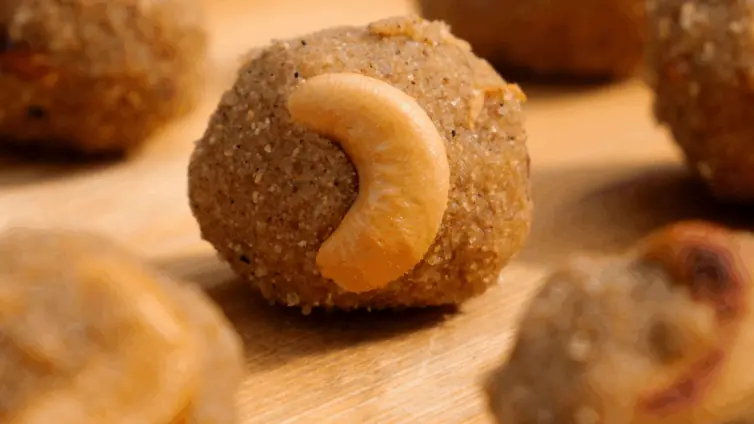
Besan ke laddu are still in fashion and have survived generations in the Indian kitchen. During the changing season, when many traditional kitchens turn towards comforting and warm foods, besan ke laddu usually tops that list. This sweet, made from roasted gram flour (besan), ghee, and sugar, is one of those recipes every grandmother seems to have perfected through years of practice. Besan gives the recipe a heart base while cardamom gives a gentle aroma and chopped nuts provide a feel-good crunch. Also, ghee gives the laddus their richness in texture.
Generally, besan ke laddus are made in most Indian households during the transition from monsoon to winter or winter to spring season. This is because this is the time when the body is known to need extra warmth and immunity. Furthermore, it is also believed in Ayurvedic tradition that ghee and besan are grounding and warming ingredients. This is why it’s often the first sweet to appear in tins when the weather starts to turn,
Besan ke laddu are still in fashion and have survived generations in the Indian kitchen. During the changing season, when many traditional kitchens turn towards comforting and warm foods, besan ke laddu usually tops that list. This sweet, made from roasted gram flour (besan), ghee, and sugar, is one of those recipes every grandmother seems to have perfected through years of practice. Besan gives the recipe a heart base while cardamom gives a gentle aroma and chopped nuts provide a feel-good crunch. Also, ghee gives the laddus their richness in texture.
Generally, besan ke laddus are made in most Indian households during the transition from monsoon to winter or winter to spring season. This is because this is the time when the body is known to need extra warmth and immunity. Furthermore, it is also believed in Ayurvedic tradition that ghee and besan are grounding and warming ingredients. This is why it’s often the first sweet to appear in tins when the weather starts to turn, prepared in bulk and stored for weeks as a ready snack.
The golden hack to make phenomenal besan ke laddus lies in roasting the gram flour well. The slow roasting is what gives besan laddu its characteristic melt-in-the-mouth quality and prevents the raw, chalky aftertaste that under-roasted besan is notorious for. For this, besan must be cooked low and slow in ghee while being stirred continuously, until it transforms from a raw, pale, slightly bitter powder into a deep golden and fragrant mixture. For garnishing, you can use chopped pistachios or almonds, or also add a pinch of nutmeg or saffron for a unique flavour.
These laddus are perfect for family gatherings and festive occasions, or just as an occasional snack at home. You can prepare them ahead of time and store them in an airtight container.