Janmashtami Vrat Food List: What To Eat And Avoid
Janmashtami Vrat Food List: What To Eat And Avoid
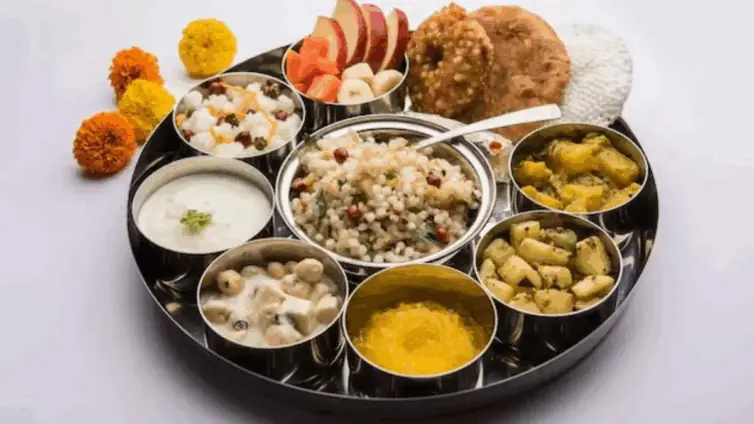


Observing the traditional fast during Janmashtami involves adhering to specific dietary rules designed to cleanse the body while maintaining physical stamina throughout the day. Exploring the allowed ingredients and strict prohibitions reveals how simple, unprocessed grains, dairy products, and root vegetables create a wholesome and deeply comforting festive menu.
The celebration of Janmashtami brings with it a time-honoured tradition of fasting, known locally as observing a vrat. Fasting during this auspicious festival is not merely about restraint; it is a ritualistic practice meant to align physical energy with spiritual focus as devotees wait for the midnight celebrations. Navigating the rules of what can be consumed and what must be strictly avoided often creates confusion, especially for those new to the practice. Vrat-friendly food, commonly referred to as satvik diet, relies on ingredients that are easy to digest, minimally processed, and free from artificial additives. The core philosophy centers around purity, prohibiting the use of common table salt, regular food grains like wheat and rice, and pungent aromatics. Instead, the festive menu embraces natural nutrient sources such as sago, water chestnut flour, fresh dairy, and rock salt. Managing the preparation of these delicate ingredients requires precise heat and careful handling to prevent sticking or burning. Utilising modern kitchen appliances like the Prestige Induction Cooktop helps maintain constant, low temperatures, ensuring your fasting dishes cook evenly and retain their nutritional purity. Understanding these dietary boundaries allows you to prepare a balanced, nourishing meal plan that keeps your energy levels steady throughout the entire fast.
Permissible Grains And Starch Bases

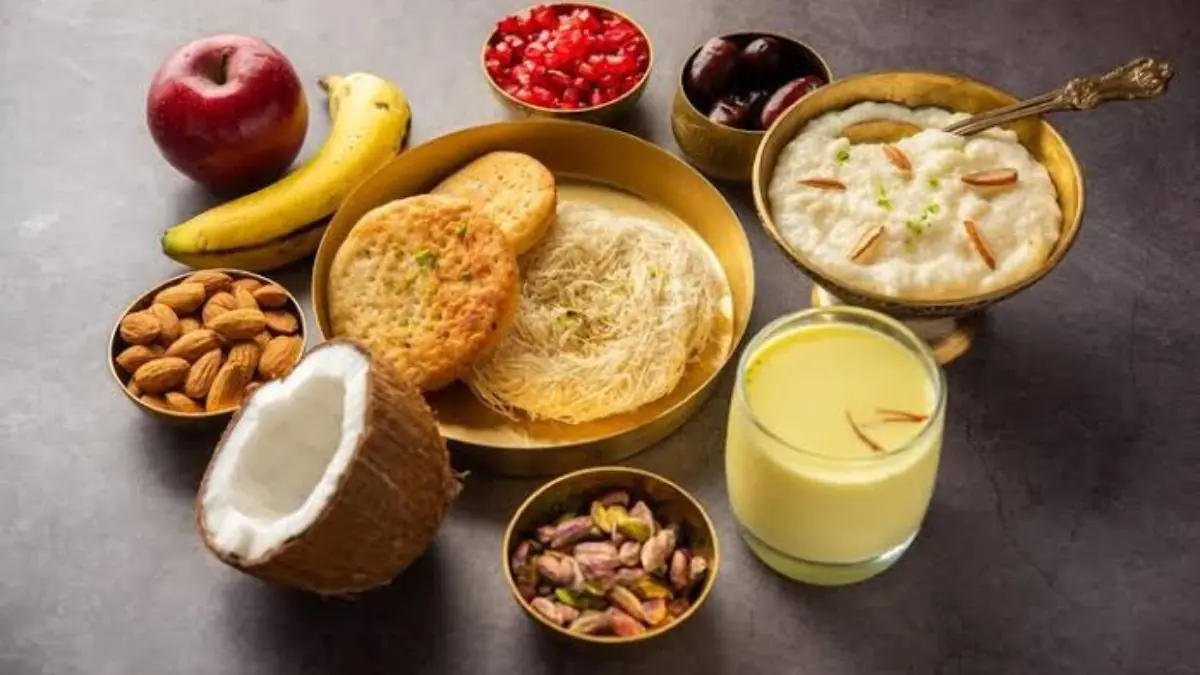
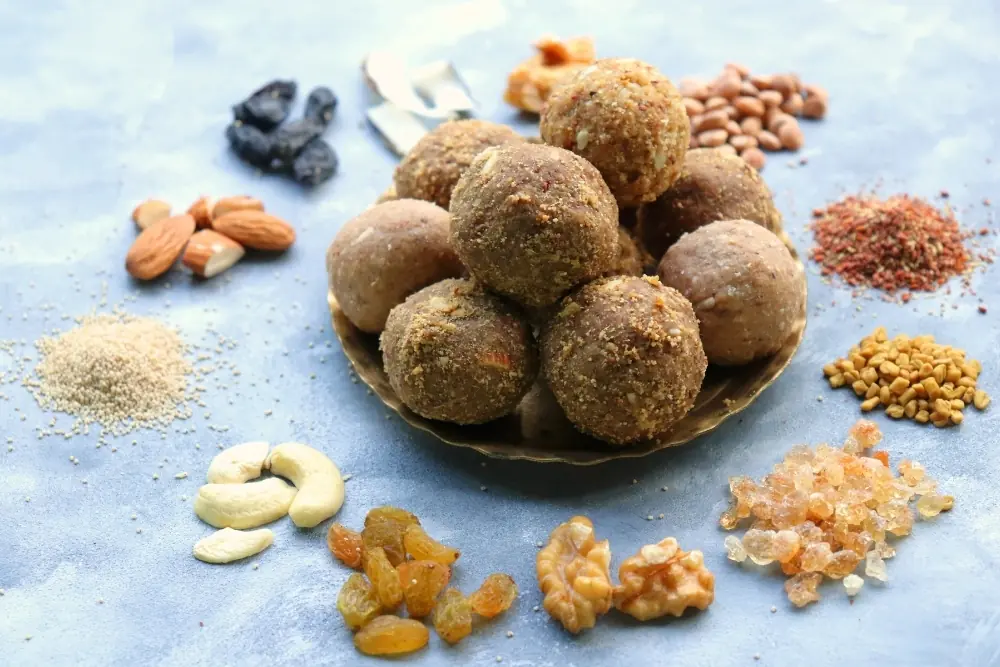
Traditional food grains like wheat, rice, oats, and barley are completely forbidden during a Janmashtami fast, requiring home cooks to rely on ancient pseudograins and specialized starches. Buckwheat flour, commonly known as kuttu ka atta, and water chestnut flour, or singharea ka atta, serve as the primary substitutes for making flatbreads and fritters. These flours are rich in complex carbohydrates and mineral content, providing sustained energy throughout the day. Sago, or sabudana, remains another fundamental ingredient, prized for its high starch content that yields comforting puddings and crispy snacks. For rice lovers, barnyard millet, known as samak ke chawal, offers a perfect grain-like texture suitable for making savory pilafs and sweet kheers. Preparing these alternative grains in a Pressure Cooker ensures they soften completely and absorb flavours without losing their distinct textures or scorching at the bottom.
Dairy Products And Fresh Fruits
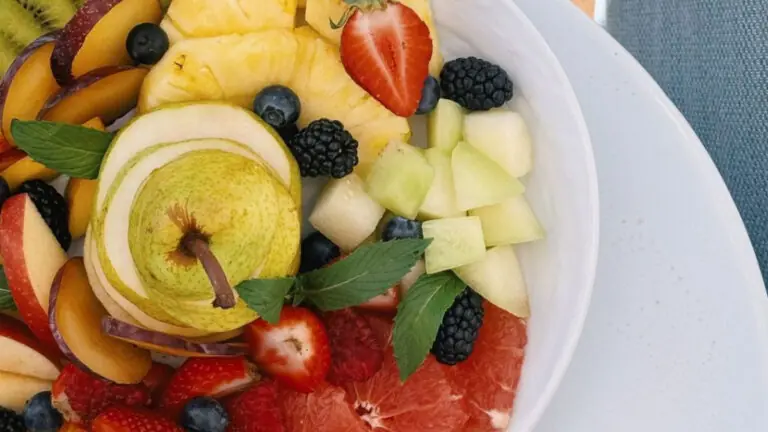
Dairy products form the absolute backbone of a satvik diet during Janmashtami, symbolizing the deep cultural connection between Lord Krishna and butter, milk, and curd. Full-fat milk, fresh curd, homemade malai, and pure ghee are consumed generously to supply essential fats and protein during the fasting hours. Fresh cottage cheese, or paneer, provides a substantial, filling protein option that can be pan-seared or added to fasting gravies. Fresh fruits of all varieties are fully permitted and play a vital role in keeping the body hydrated and refreshed. Bananas, apples, pomegranates, and melons are frequently consumed raw or folded into rich yoghurt bases to make refreshing raitas. Using an Electric Vegetable Chopper to finely dice fruits and nuts ensures they blend smoothly into yoghurt or milk bases, providing an effortless way to prepare quick, energizing meals.
Allowed Vegetables And Essential Seasonings
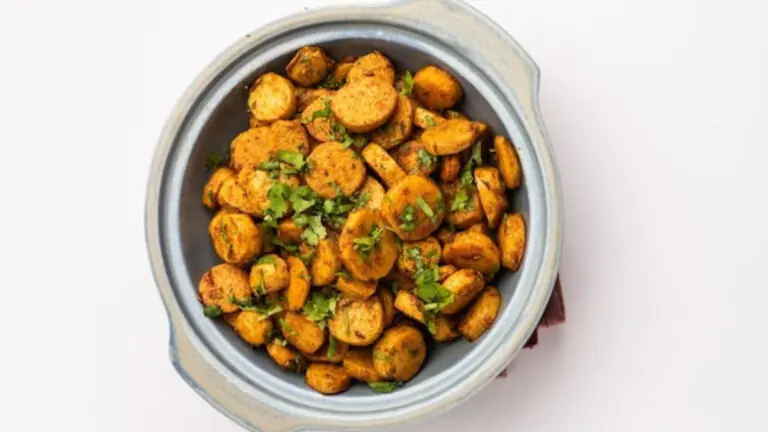
While a wide array of commercial vegetables is excluded, specific root vegetables and non-pungent produce are widely accepted during the fast. Potatoes remain the undisputed star of the vrat menu, offering immense versatility whether boiled, mashed, or fried into crisp chips. Arbi, or colocasia root, alongside sweet potatoes and raw bananas, provides dense nourishment and unique textures to savory dishes. Bottle gourd, or lauki, and pumpkin are also permitted for making light gravies or sweet halwas. The seasoning rules are strictly defined: regular iodized table salt is replaced entirely with mineral-rich sendha namak, or rock salt. Cumin seeds, black pepper, dry ginger powder, green chillies, and fresh coriander leaves are the primary spices allowed to enhance flavor. Sautéing these aromatics in a Kadai distributes the heat uniformly, blooming the spices in ghee without burning them.
Ingredients And Food Categories To Strictly Avoid
The primary objective of a vrat menu is to eliminate foods that are considered heavy, processing-intensive, or excessively stimulating to the body. All forms of legumes, lentils, and pulses are strictly prohibited, as are all common cereal grains and their derived flours. Pungent aromatics like onions and garlic are completely excluded from satvik cooking due to their strong taste and heating nature in traditional culinary philosophy. Regular cooking oils derived from seeds or mustard are generally avoided in favor of pure ghee or groundnut oil. Additionally, processed foods, packaged snacks containing artificial preservatives, regular table salt, and unrefined sugars are kept away from the kitchen workspace. Separating these prohibited items from your cooking area ensures that your festive meals remain pure, wholesome, and fully aligned with traditional ritual requirements.