How To Make Cake In A Pressure Cooker: Tips And Recipe Inside
How To Make Cake In A Pressure Cooker: Tips And Recipe Inside
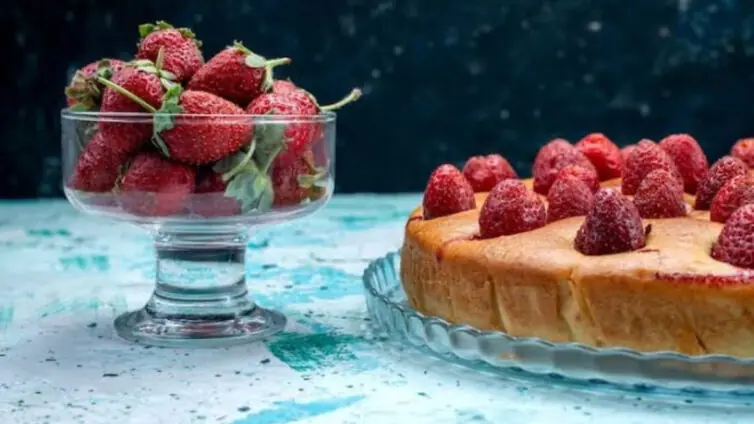


This comprehensive guide explains the exact method for baking a soft and moist sponge without needing a conventional oven. It covers essential preparation steps like preparing the dry heating environment, selecting safe equipment, and adjusting batter consistency to ensure perfect results on a standard gas stove.
Baking a perfect sponge cake does not require expensive electrical equipment or a massive convection oven. Long before modern ovens became a standard fixture in modern kitchens, home bakers relied entirely on heavy stovetop equipment to create celebratory desserts and tea time treats. Learning how to make cake in a pressure cooker opens up a wonderful world of baking for anyone who lacks access to traditional baking appliances. This time tested method utilises trapped heat to mimic the exact environment of an electrical oven, yielding results that are often much softer and moister than their oven baked counterparts. The heavy metal walls trap the ambient heat evenly, ensuring the batter rises beautifully without drying out at the edges. With the right technique and a little patience, you can achieve bakery quality results using everyday utensils.
Understanding The Dry Baking Mechanism
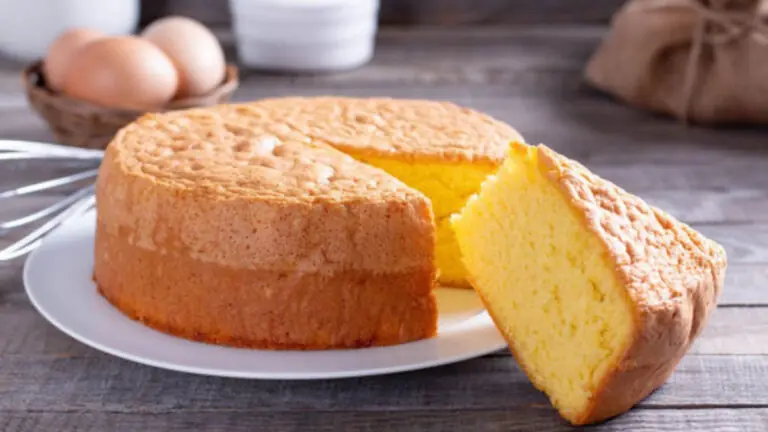
The most critical concept to understand here is that you are baking with dry heat rather than steaming with moisture. A common mistake beginners make is adding water to the base of the pot, which results in a dense and soggy pudding instead of a light and airy crumb. To create a dry oven environment, you must line the base of your heavy pot with a thick layer of regular table salt or fine baking sand. This layer of salt acts as a brilliant thermal insulator. It absorbs the direct heat from the flame and distributes it evenly throughout the enclosed space, completely preventing the bottom of your aluminium baking tin from scorching. The salt will discolour slightly during the process but it can be stored in a glass jar after cooling and reused indefinitely for all your future baking projects.
Preparing Your Equipment Safely
Selecting the correct vessel and preparing it properly is completely non negotiable for both safety and culinary success. You need a heavy bottomed aluminium or steel cooker with a capacity of at least five litres to allow enough empty space for the hot air to circulate freely around the baking tin. Before you even place the pot on the stove, you must strictly remove both the rubber gasket ring and the weight whistle from the lid. Leaving the rubber gasket on will cause it to melt and snap under the intense dry heat, while leaving the whistle on will trap dangerous levels of pressure inside the chamber. Removing these two elements transforms the appliance into a safe, vented, and highly effective stovetop oven that breathes perfectly.
Creating The Perfect Vanilla Batter
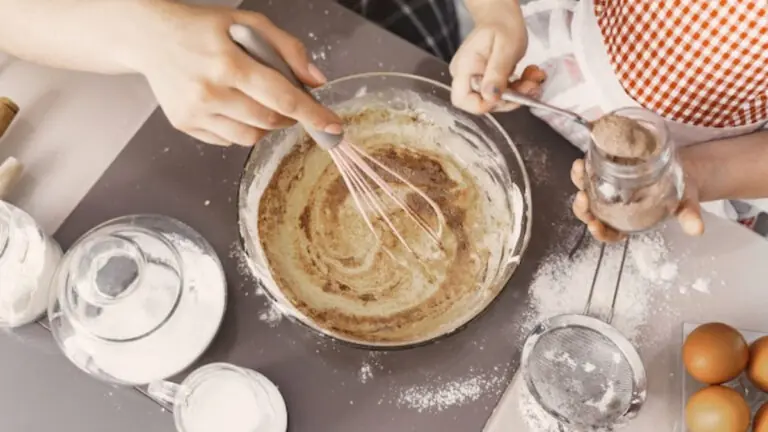
A successful stovetop bake requires a batter that is perfectly balanced and not excessively runny. For a classic vanilla sponge, you will need refined flour, baking powder, a pinch of salt, softened butter, castor sugar, eggs, and whole milk. Sift one and a half cups of refined flour with one teaspoon of baking powder to aerate the dry ingredients and remove any dense lumps. In a separate large bowl, cream half a cup of softened butter with one cup of castor sugar until the mixture turns pale and wonderfully fluffy. Add two eggs one by one, beating well after each addition, followed by a splash of pure vanilla extract. Gently fold the sifted dry ingredients into the butter mixture, alternating with half a cup of room temperature milk. The batter should fall off your spatula in thick, glossy ribbons.
Customising Your Sponge Flavours
Once you master the basic vanilla batter, you can easily adapt the recipe to feature your favourite flavour profiles. To create a rich chocolate version, simply substitute a quarter cup of the refined flour with high quality unsweetened cocoa powder and add a handful of dark chocolate chips into the final mix. For a bright and citrusy summer bake, fold a tablespoon of freshly grated orange or lemon zest into the creamed butter and sugar mixture to release the natural essential oils. You can also fold in chopped walnuts, almonds, or dried cranberries just before pouring the batter into the tin. Dusting any dry fruits or nuts with a tiny pinch of flour before adding them prevents them from sinking to the bottom of the tin during the baking process.
Setting Up The Stovetop Oven
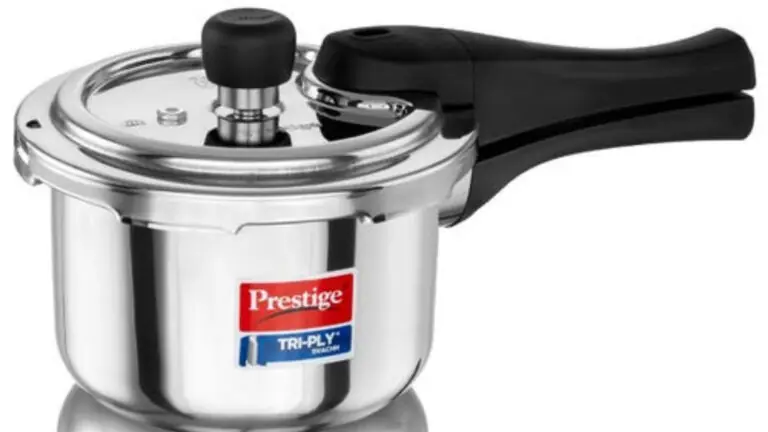
Proper preheating is just as crucial on a gas stove as it is in a regular oven. Spread one cup of table salt evenly across the entire base of your cooker. Place a perforated metal stand or a small steel ring directly over the salt layer right in the centre. This vital stand ensures your aluminium baking tin never touches the hot salt directly, providing crucial separation that prevents a burnt crust. Close the lid without the gasket and whistle, and place the pot over a high flame for exactly ten minutes. This initial preheating phase builds up the necessary ambient heat inside the chamber, guaranteeing an instant rise the moment your batter goes inside.
The Baking Process And Timing
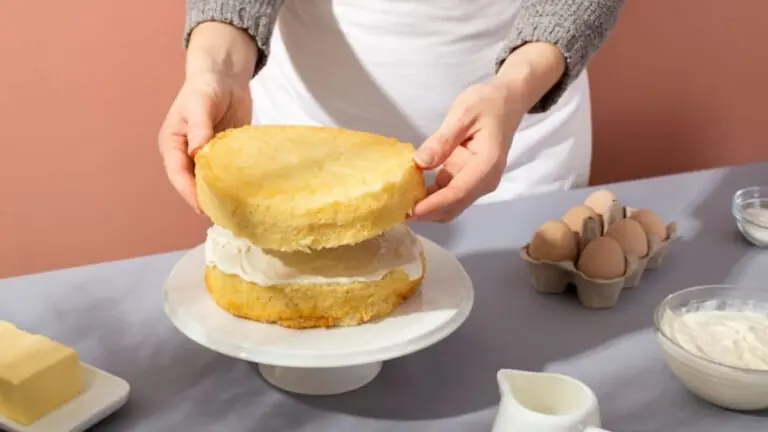
Once the chamber is intensely hot, carefully open the lid and lower your greased and parchment lined baking tin onto the metal stand using a pair of sturdy kitchen tongs. Close the lid immediately to trap the heat. Reduce the gas flame to the lowest possible setting. Maintaining a slow and steady heat is the absolute secret to an even bake without a domed top. Let the sponge bake completely undisturbed for thirty five to forty minutes. Resist the immense temptation to open the lid and check on the progress during the first thirty minutes. Opening the lid too early lets the trapped heat escape rapidly, causing the rising batter to collapse in the centre and form a dense, gummy crater.
Testing For Doneness And Cooling
After thirty five minutes have passed, open the lid carefully and insert a wooden skewer straight into the centre of the sponge. If it comes out entirely clean with no wet batter attached, the baking process is complete. Turn off the flame immediately. Use your tongs to lift the hot tin out of the chamber and place it safely on a wire rack on your kitchen counter. You must allow the sponge to cool in the tin for at least fifteen minutes before attempting to demould it. Trying to invert a hot sponge will cause the delicate crumb structure to break apart instantly in your hands. Once cooled, run a flat knife around the edges and invert it gently onto a serving plate.
Troubleshooting Common Baking Errors
Mastering stovetop baking takes a bit of practice and diagnosing errors helps you refine the technique for your next attempt. If your sponge turns out exceptionally hard on the outside but remains raw on the inside, the gas flame was left too high, forcing the exterior to cook before the heat could penetrate the core. If the centre sinks drastically, it means the lid was opened prematurely or the batter contained slightly too much liquid. If the bottom crust tastes bitter and burnt, the metal stand used was likely too short, bringing the tin too close to the heat source. Understanding these specific variables makes mastering how to make cake in a pressure cooker incredibly rewarding. By carefully controlling the heat and respecting the fundamental preparation steps, you can produce spectacular desserts right on your kitchen counter.