How To Store Diwali Sweets: Shelf Life Of Every Mithai
How To Store Diwali Sweets: Shelf Life Of Every Mithai
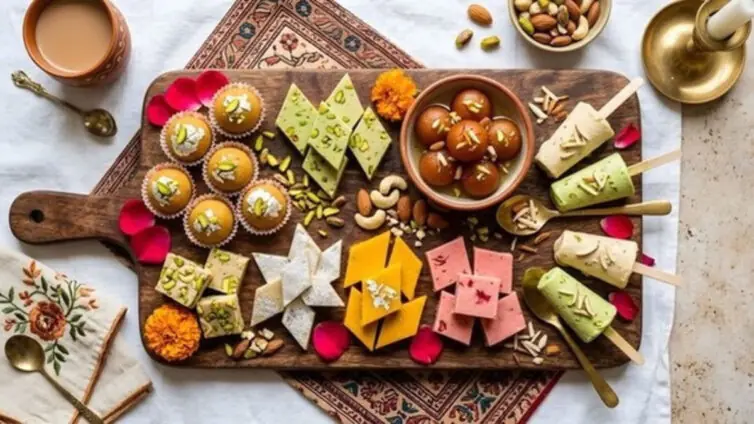


Not all Diwali sweets stay fresh for the same length of time. Khoya-based pedas need different storage conditions from dry, nut-based katlis, and factors such as moisture and dairy content play a big part. This guide looks at how to store different kinds of mithai properly, so they retain their taste and texture for longer.
The shelf life of any traditional Indian sweet is dictated by its moisture content, lipid concentration, and dairy structure. Water activity within a sweet creates an environment where bacteria and fungal spores thrive, making high-moisture milk confections particularly perishable. Conversely, low-moisture sweets bound with sugar syrups or dry fats offer natural preservation, resisting spoilage for weeks when shielded from atmospheric humidity. During the post-festive period, improper storage often leads to rancidity in ghee, sugar crystallisation, or premature souring of khoya. Understanding how to categorise your Diwali sweets and store them at optimal temperatures ensures that every box retains its original texture, aroma, and delicate flavour without unnecessary waste.
Perishable Milk-Based Sweets: 2 To 4 Days
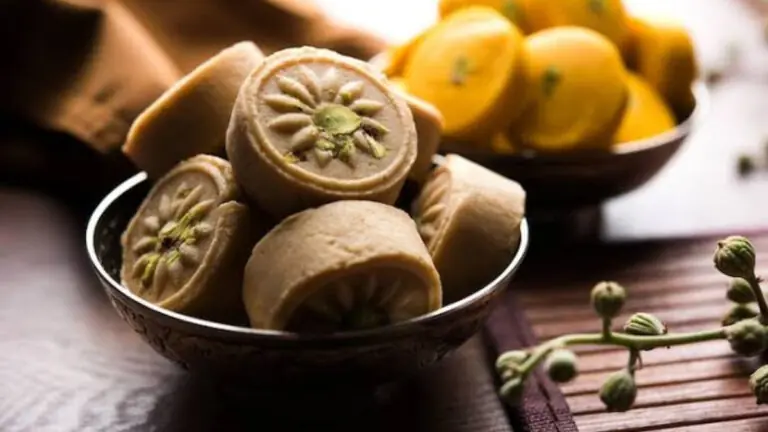
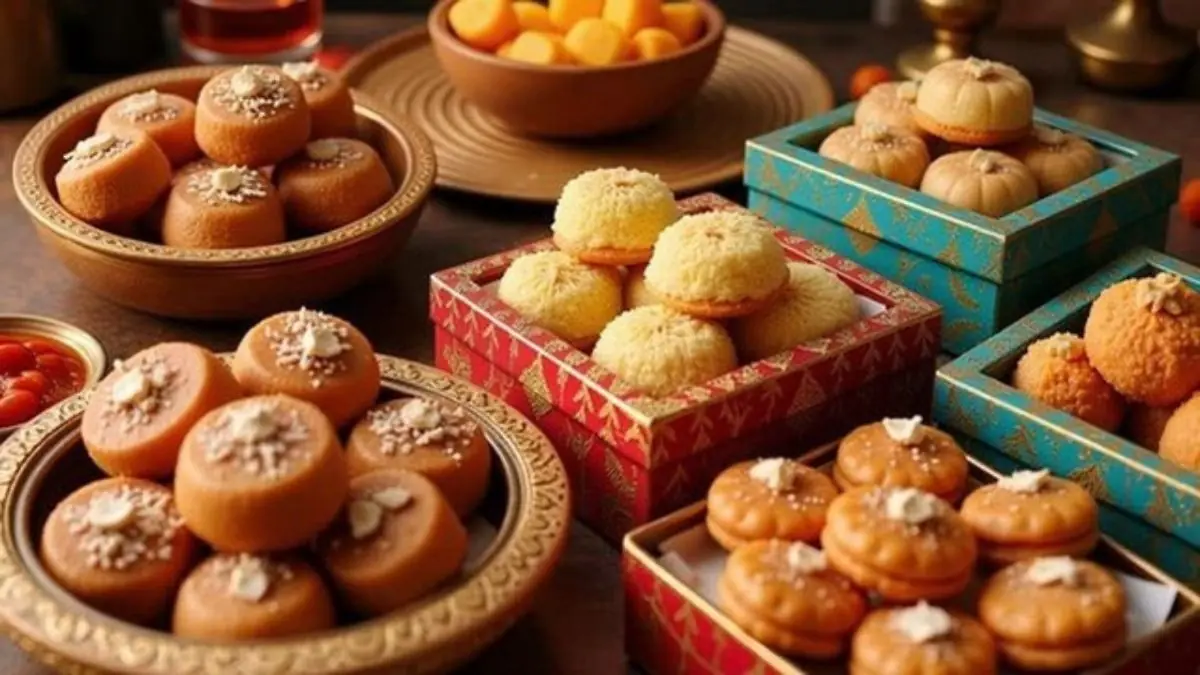
Sweets crafted from fresh milk reductions, chenna, or soft khoya, such as Rasgulla, Rasmalai, Kalakand, Milk Cake, and fresh Peda, possess high moisture levels and delicate protein structures. These treats are highly susceptible to bacterial growth and souring if left at room temperature for more than a few hours. To store them properly, transfer milk-based sweets out of cardboard gifting boxes immediately, as porous paper absorbs moisture and harbours odours. Place them in a single layer inside air-tight glass containers and store them in the coldest part of the refrigerator. For syrupy sweets like Rasgulla, ensure they remain completely submerged in their sugar syrup to prevent the chenna sponges from drying out or absorbing external fridge aromas, and bring them to room temperature briefly before serving to enjoy their soft texture.
Ghee-Rich Roasted Flour Sweets: 2 To 3 Weeks
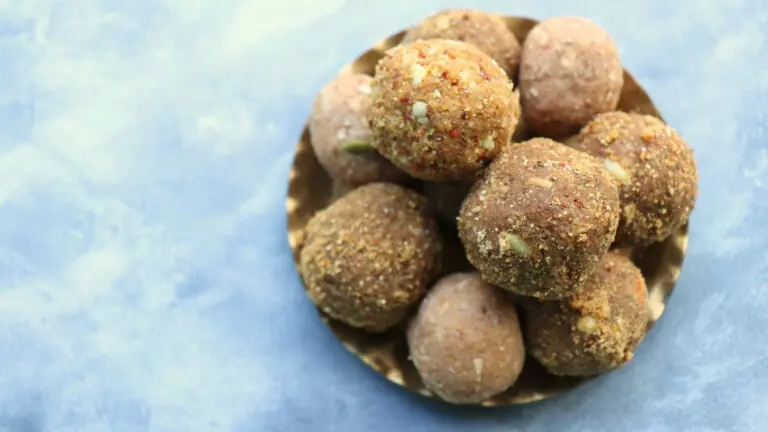
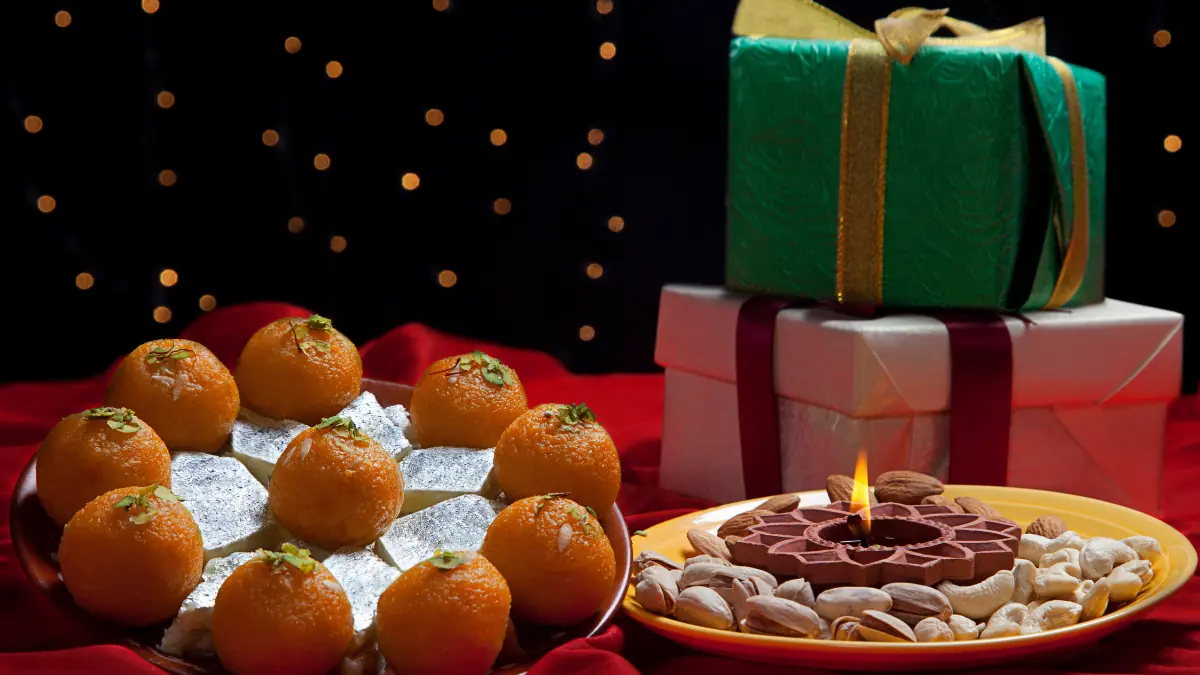
Laddus and roasted flour confections, including Besan Laddu, Motichoor Laddu, Pinni, and Mohanthal, derive their stability from low moisture and high ghee content. When chickpea flour or whole wheat flour is thoroughly toasted in ghee, starches are caramelised and moisture is completely driven off, creating a stable matrix that naturally resists spoilage. Store these sweets at cool room temperature in clean, completely dry stainless steel or glass airtight jars, keeping them away from direct sunlight and heat sources like cooktops or ovens, which cause the ghee to melt and separate. Re-heating cold or firm besan laddus slightly before serving revives the aromatic ghee, and using a Prestige Induction Cooktop on its lowest warming setting allows you to warm a serving tray gently without melting the structural shape of the laddoo or burning its base.
Deep-Fried Syrup-Soaked Confections: 5 To 7 Days
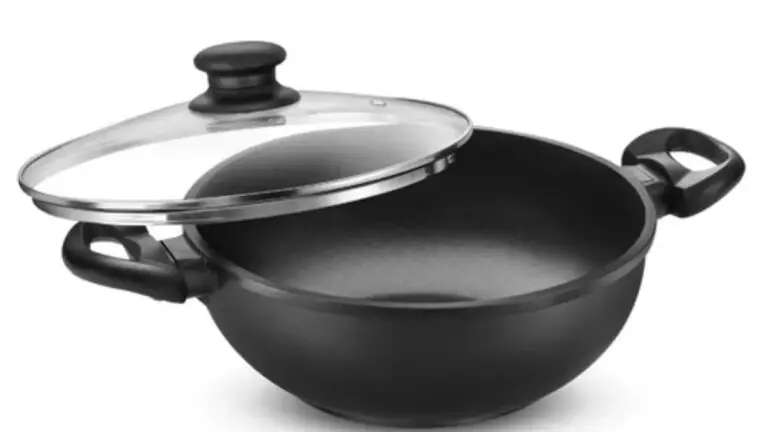
Confections such as Gulab Jamun, Jalebi, Imarti, and Balushahi rely on deep-frying to set their crusts before being steeped in concentrated sugar syrup. While high sugar concentration acts as a natural preservative, lingering internal moisture from the syrup limits their room-temperature stability. Balushahi and dry fried sweets keep well at room temperature in airtight containers for up to five days, but syrup-heavy items like Gulab Jamun should be stored in the refrigerator after forty-eight hours to prevent fermentation of the syrup. When preparing leftover syrup-soaked sweets for guests, reheating them in their syrup is essential, and simmering them gently in a Tri-Ply Stainless Steel Kadai provides uniform heat distribution across the base, allowing the sugar syrup to loosen and penetrate back to the core of the jamuns without scorching.
Low-Moisture Nut-Based Sweets: 3 To 4 Weeks
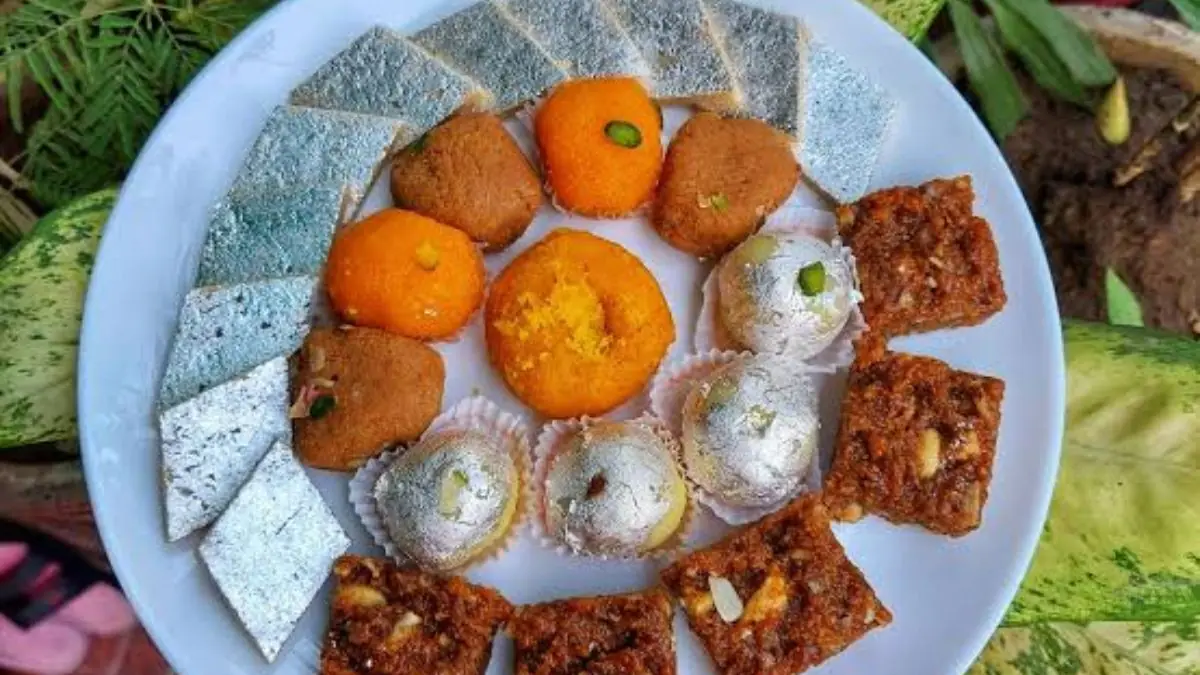
Monarchs of the Diwali box like Kaju Katli, Badam Barfi, Pista Laung, and dry fruit rolls represent the most shelf-stable category of festive mithai. Because these sweets are made by combining finely ground nut pastes with concentrated sugar syrup, they contain virtually no free water. Kaju Katli and nut barfis thrive at cool room temperature when stored in airtight containers layered with parchment paper between slices to prevent sticking, and while refrigeration in a humid environment extends their shelf life up to six weeks, the cold may cause slight sugar blooming on the surface. If nut-based sweets dry out after weeks of storage, upcycling them into smooth dessert bases or dessert shakes gives them a second life, and blending dry Kaju Katli pieces with cold milk using a Hand Blender breaks down the dense nut paste instantly, creating a velvety, almond-cashew milk drink with zero waste.
Dry Savoury Snacks And Namkeen: 4 To 6 Weeks
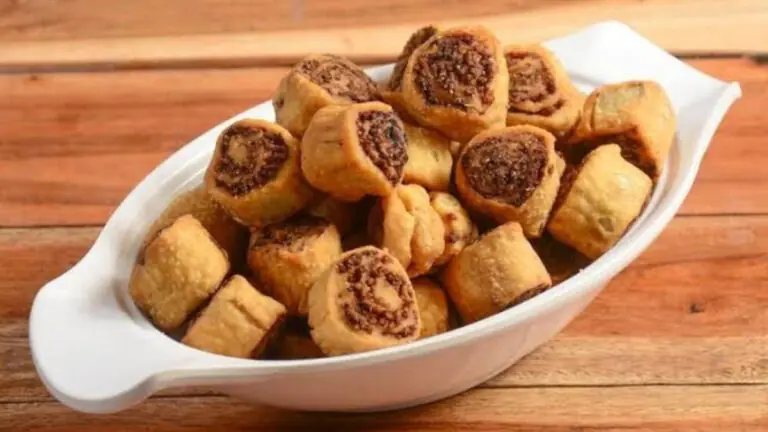
While not sweet, savoury festive snacks such as Namakpare, Shakkarpare, Chakli, Murukku, and Chivda are ubiquitous partners in every Diwali hamper. Made from deep-fried doughs or toasted rice flakes, their primary enemy is atmospheric humidity, which renders them soggy, alongside air exposure, which turns fried oils rancid. Always allow freshly made or unpacked savouries to cool completely to room temperature before sealing them into heavy-duty airtight tins. Never mix sweet and savoury items in the same container, as moisture and aromatics will transfer between them, and store tins in a dark, dry pantry cupboard away from steam and moisture.
Maximising Freshness And Sustainable Festive Hospitality
By treating Diwali storage as a deliberate extension of culinary technique rather than an afterthought, you preserve both the financial investment and the emotional warmth inherent in festive gifting. Categorising sweets by their physical chemistry allows you to serve every treat at its absolute peak of flavour and texture, ensuring that guest hospitality remains seamless for weeks after the celebrations peak. Moreover, incorporating smart kitchen appliances into your post-festive routine makes reviving, reheating, or upcycling surplus mithai effortless, preventing food waste while bringing fresh creativity to everyday tea-time spreads. Ultimately, mastering the shelf life of your festive pantry allows you to extend the joy of Diwali thoughtfully, savouring every handcrafted bite long after the lights have dimmed.