Gluten Free Food Recipes: Traditional Indian Millet-Based Dishes You Must Try
Gluten Free Food Recipes: Traditional Indian Millet-Based Dishes You Must Try
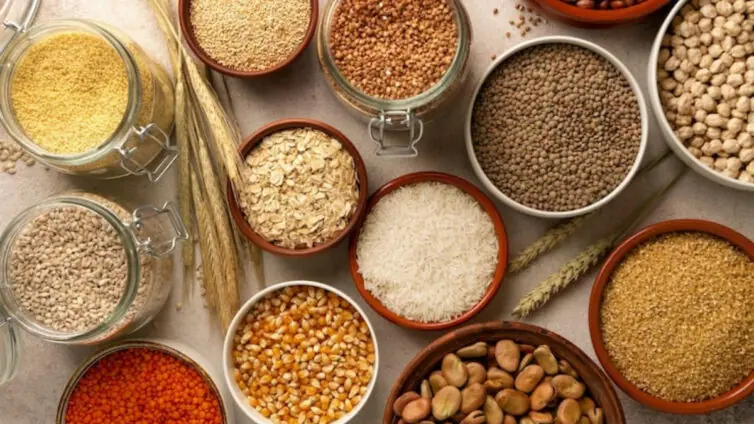


Millets have long been part of Indian cooking, finding their way into everyday meals across regions. Used to make crispy dosas, warm porridges and filling flatbreads, these grains offer plenty of variety in gluten-free cooking. This article explores the regional recipes and traditional techniques that have kept millets on Indian plates for generations.
Long before refined wheat and polished rice dominated the modern Indian pantry, small-seeded ancient grains known collectively as millets sustained communities across the subcontinent. From the arid plains of Rajasthan and the rocky plateaus of Karnataka to the lush fields of Tamil Nadu, millets such as pearl millet (bajra), finger millet (ragi), foxtail millet (kangni), and sorghum (jowar) formed the foundation of daily subsistence. These hardy, climate-resilient crops naturally thrive in poor soils with minimal water, embodying an ancient agricultural wisdom that prioritised ecological harmony and robust nutrition. Naturally gluten-free and packed with complex carbohydrates, dietary fibre, plant-based protein, and essential micronutrients, millets offer a low glycemic index that provides sustained energy without causing rapid blood sugar spikes. Rediscovering these heirloom grains is not merely a modern dietary choice, but a reconnection with a rich culinary heritage that understood the deep synergy between whole foods and vital well-being.
Nutritional Superiority And Gluten-Free Living
Transitioning to a gluten-free diet often challenges home cooks who rely heavily on wheat-based flours for elasticity, structure, and comfort in everyday meals. Unlike processed gluten-free substitutes that rely on refined starches and additives, millets provide an authentic, whole-food solution naturally free of gluten proteins. Each variety brings unique nutritional properties to the table. Finger millet, or ragi, is exceptionally rich in bioavailable calcium, making it a stellar grain for bone health and growing children. Pearl millet, or bajra, delivers high concentrations of iron and zinc, offering warming nourishment that helps the body combat winter chills. Foxtail and little millets provide high levels of dietary magnesium and antioxidants, supporting cardiovascular health and digestive regularity. Harnessing these nutritional powerhouses requires an understanding of their structural behaviour, particularly how to hydrate and bind gluten-free flours so they transform into tender flatbreads, crisp dosas, and comforting porridges without crumbling.
1. Ragi Malt And Savoury Porridge For Morning Vitality
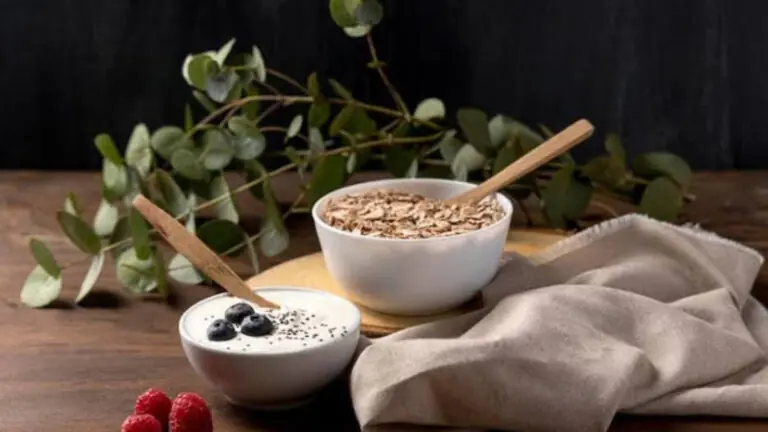
In South Indian and Maharashtrian households, finger millet serves as a traditional morning staple designed to jumpstart digestion and build sustained stamina. Ragi malt, whether prepared sweet with jaggery and coconut milk or savoury with buttermilk, roasted cumin, and fresh coriander, is a classic comfort food. The preparation involves whisking nutrient-dense ragi flour into water or milk, then simmering the mixture gently until the starches gelatinise into a smooth, velvety consistency. Achieving a lump-free malt requires constant whisking over gentle heat to ensure the fine flour hydrates evenly. Preparing this comforting breakfast porridge on an Induction Cooktop provides exact temperature control, allowing home cooks to maintain a steady, low simmer that prevents scorching while unlocking the earthy, nutty flavour of the sprouted finger millet.
2. Crispy Foxtail Millet Dosa And Fermented Batters
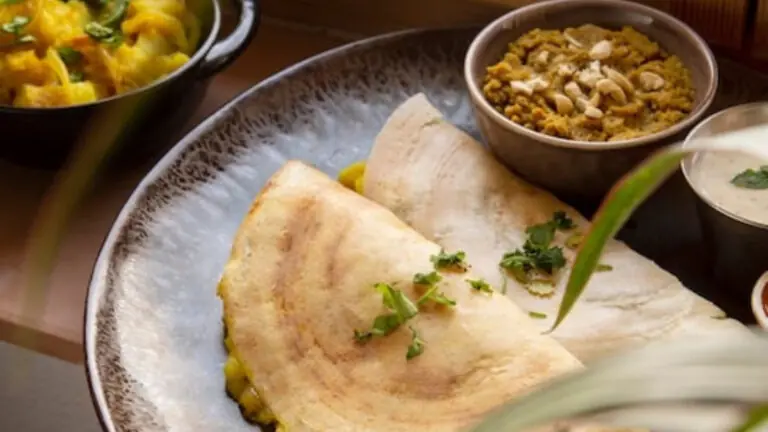
Fermentation is a cornerstone of traditional Indian cookery, enhancing digestibility and multiplying the B-vitamin content of grains. Foxtail millet, known as navane or kangni, makes an exceptional substitute for rice when crafting crisp, golden dosas. By soaking whole foxtail millet alongside dehusked black gram lentils (urad dal) and fenugreek seeds, then grinding the mixture into a smooth, airy batter and leaving it to ferment overnight, home cooks create a naturally probiotic batter that yields feather-light, lacy crêpes. Grinding soaked millets and lentils to an ultra-smooth consistency without overheating the blade is effortless with a Mixer Grinder, whose high-torque motor pulverises the tiny grains thoroughly while maintaining batter temperature. Ladling this fermented batter onto a hot surface creates a breakfast masterpiece that pairs wonderfully with fresh coconut chutney and spicy sambar.
3. Rajasthani Bajra Roti With Melting Desi Ghee
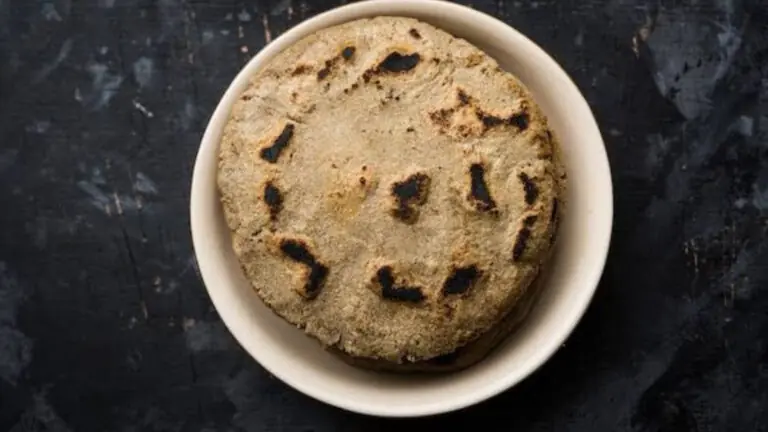
In the desert state of Rajasthan, pearl millet (bajra) is a culinary hero, providing essential warmth and sustenance during harsh winters. Bajra roti—thick, rustic flatbreads hand-patted to perfection—requires a specific technique because pearl millet flour lacks gluten and tends to crack when rolled. The secret lies in kneading the flour with hot boiling water rather than cold water, which gelatinises the starches just enough to create a cohesive, pliable dough. The dough is deftly patted between moistened palms into neat circles before being roasted on a hot griddle and finished with a generous dollop of homemade desi ghee. Sautéing and roasting millet flatbreads on a Hard Anodised Non-Stick Tawa ensures even heat distribution across the surface, preventing the rustic bread from sticking while allowing it to puff up and develop golden, charred spots without drying out.
4. Jowar Upma And Wholesome Grain Bowls

Sorghum, or jowar, is another magnificent gluten-free grain celebrated for its versatility in savoury preparations. While frequently ground into flour for rotis, cracked or whole sorghum grains can be boiled and transformed into a savoury, textured breakfast upma that rivals traditional semolina dishes. The grain is simmered until tender, then tempered in mustard seeds, green chillies, grated ginger, curry leaves, and crunchy peanuts, tossed with finely diced seasonal vegetables like carrots, peas, and bell peppers. Cooking cracked jowar to a tender yet toothsome bite requires efficient moisture absorption. Preparing this savoury dish in a Pressure Cooker cuts down cooking time significantly, while its innovative spillage-control lid catches starchy steam residue, keeping your kitchen counters spotless while delivering perfectly cooked, separate grains ready for tempering.
5. Foxtail Millet Pongal With Black Pepper And Ghee
Reimagining traditional festival and comfort dishes using ancient grains opens up delicious possibilities for gluten-free dining. Ven Pongal, a beloved South Indian classic typically made with rice and split yellow moong dal, can be wonderfully adapted using foxtail millet. The mild, slightly sweet profile of foxtail millet absorbs the rich flavours of toasted black pepper, cumin seeds, fresh ginger, asafoetida, and fried cashew nuts cooked in aromatic ghee. The grains and lentils melt together into a creamy, nourishing dish that is exceptionally easy on the digestive system. Serving this warm millet pongal during cosy monsoon evenings or festive mornings showcases how traditional Indian wisdom effortlessly bridges health and indulgence, proving that gluten-free cooking is not about restriction, but about celebrating the incredible bounty of regional grains.