Post-Diwali Detox Without Giving Up Comfort Food
Post-Diwali Detox Without Giving Up Comfort Food
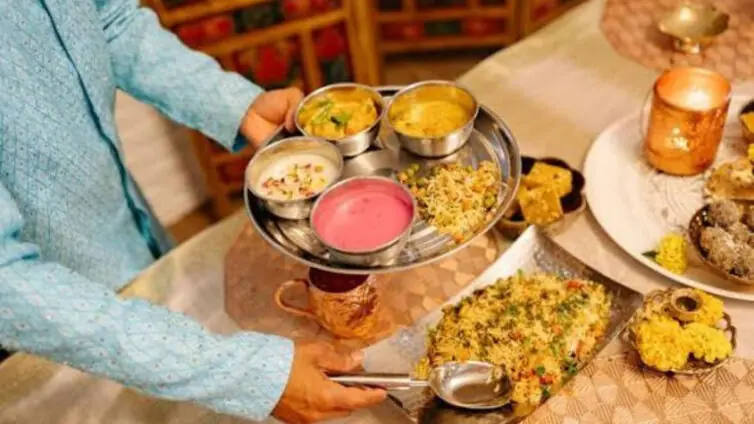


After Diwali, getting back to everyday eating doesn’t mean skipping meals or surviving on salads. Simple, home-cooked dishes such as khichdi, soups and lightly cooked vegetables can make a welcome change after days of festive feasting. With a few practical cooking techniques, it’s easy to prepare nourishing meals that are comforting and full of flavour.
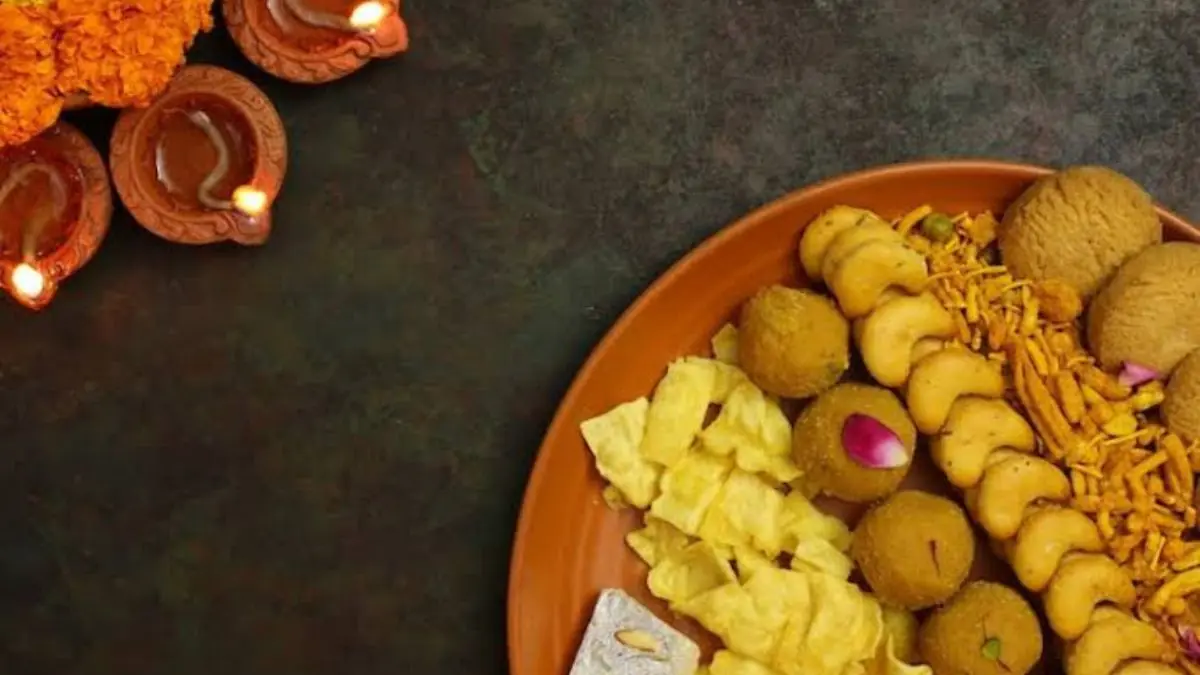
The final firecrackers fade into silence, the decorative lights are packed away, and homes transition from the joyous bustle of Diwali celebrations to quiet recovery. The festive fortnight is a magnificent celebration of community and heritage, centred around rich ghee laden sweets, deep fried snacks, and heavy evening feasts. While these culinary traditions bring immense happiness, they often leave the body feeling sluggish, bloated, and fatigued as digestion struggles to process an excess of refined sugars, complex fats, and heavy dairy.
In modern wellness culture, the immediate reaction to festive overindulgence is often a punitive cycle of extreme juice cleanses, starvation diets, or rigid restriction. However, crash dieting frequently backfires, triggering low energy levels, intense cravings, and unnecessary stress. True wellness does not require abandoning comfort food. Instead, post Diwali detoxification is about giving the digestive system a well deserved rest while continuing to enjoy warm, deeply satisfying, and nourishing meals. By focusing on whole ingredients, digestive spices, and clever cooking techniques, you can reset your internal balance naturally.
Understanding Post Festive Sluggishness And Digestive Reset
To understand why the body feels heavy after Diwali, one must examine the concept of metabolic load. Traditional festive foods are dense, highly concentrated sources of energy designed to provide warmth during seasonal transitions. When consumed in large quantities over several days, they overwhelm the digestive fire, known in Ayurveda as Agni. This leads to sluggish metabolism, water retention, and fatigue.
Rather than starving the body, a sensible recovery plan focuses on lightening the digestive burden while supplying vital micronutrients. This involves incorporating foods that stimulate liver function, reduce inflammation, and restore hydration. Soups, broths, light grain porridges, and steamed vegetables offer the ultimate comfort while requiring minimal digestive effort. Pairing these wholesome ingredients with reliable kitchen appliances makes preparing daily wellness meals effortless, ensuring that your transition back to routine is both delicious and sustainable.

1. Nourishing Bone Broth And Vegetable Clear Soups
One of the most comforting ways to initiate a post festive reset is by sipping on warm, mineral rich broths and clear vegetable soups. These liquids provide immediate hydration and supply essential amino acids like glycine and proline, which support gut lining repair and liver detoxification. Unlike heavy cream based soups, a clear broth delivers deep, savoury satisfaction without burdening the stomach.
Preparing nutrient dense bone broths or vegetable stocks at home requires simmering connective tissues and fibrous roots for hours to extract maximum flavour and nutrients. Using a Pressure Cooker streamlines this process significantly, cutting down simmering time while locking in rich aromas. The innovative spillage control lid design catches any starchy foam or liquid overflow, keeping your stovetop completely clean during high heat boiling sessions. Sip these warming elixirs with a pinch of black pepper and roasted cumin for an instant digestive boost.
2. Wholesome Millet Khichdi And Porridge Staples

Comfort food is fundamentally rooted in warmth and texture, and few dishes embody this better than a steaming bowl of khichdi. While traditional khichdi often relies on polished rice and lentils, shifting towards ancient grains like foxtail millet, pearl millet, or cracked sorghum creates a lighter, high fibre alternative that stabilises blood sugar levels and cleanses the digestive tract.
Cooking ancient grains requires precise moisture absorption to achieve a soft, porridge-like consistency that melts effortlessly on the tongue. Preparing a wholesome mung bean and millet khichdi on an Induction Cooktop offers exact temperature control, allowing home cooks to maintain a steady, gentle simmer without scorching the bottom of the pot. Infused with freshly grated ginger, turmeric, and a touch of asafoetida, this soothing dish provides all the psychological comfort of a heavy meal while acting as a gentle internal cleanser.
3. Vibrant Green Detox Smoothies And Cold Pressed Juices

Mornings after a festive season call for a refreshing reboot that awakens the digestive system and floods the bloodstream with antioxidants. Integrating dark leafy greens like spinach and kale with cucumber, green apple, fresh mint, and a squeeze of lemon creates a vibrant green elixir that alkalizes the body and supports natural liver detoxification pathways.
Achieving a perfectly smooth, pulp free texture from fibrous greens and raw vegetables demands high torque blending power. Utilising the Blender pulverises tough stems and leafy greens into a silky emulsion in seconds, preserving vital heat sensitive enzymes and micronutrients. Enjoying this nutrient dense drink first thing in the morning rehydrates the body and provides sustained mental clarity without the jittery crash associated with morning caffeine.
4. Gentle Steamed Root Vegetables And Plant Proteins
As you transition away from heavy gravies and fried snacks, focus your meals on lightly steamed root vegetables and easily digestible plant proteins. Sweet potatoes, carrots, beetroot, and tender squashes offer complex carbohydrates and natural sweetness that satisfy cravings for heavy comfort food. Steaming retains their natural vitamins and minerals while keeping oils and fats to a minimum.
Pairing these tender root vegetables with lightly spiced moong dal or boiled chickpeas creates balanced plates that sustain energy levels throughout the day. Using gentle steam cooking methods prevents the formation of heavy fats, ensuring that your digestive system regains its natural rhythm. Season these bowls with fresh coriander, roasted cumin powder, and a squeeze of lime juice to brighten the palate and stimulate digestive secretions.
5. Herbal Infusions And Digestive Spice Teas

No post festive detox is complete without addressing hydration through therapeutic herbal teas and digestive infusions. Traditional spices such as cumin, coriander, fennel seeds, and fresh ginger have been utilised for centuries in Ayurvedic medicine to clear toxins, reduce bloating, and enhance metabolic fire.
Steeping these digestive seeds in hot water throughout the day creates a soothing, aromatic beverage that gently flushes the system. Sipping warm fennel and ginger tea after meals helps alleviate post meal sluggishness and encourages optimal nutrient assimilation. By replacing sugary beverages and excessive caffeine with these healing herbal infusions, you maintain a state of calm hydration that supports overall vitality.
Sustaining Long Term Balance Without Sacrifice
True health is not achieved through temporary deprivation, but through consistent, mindful choices that honour the body’s natural needs. By embracing comforting broths, nourishing millets, vibrant green juices, and healing spices, you can successfully reset your system after Diwali without ever feeling deprived. Allow your kitchen to become a sanctuary of balance, where modern appliances and ancient wisdom work hand in hand to make healthy living a joyful, delicious reality every single day of the year.