Diwali Mithai Guide: From Kaju Katli And Gulab Jamun To Pedas And Laddus
Diwali Mithai Guide: From Kaju Katli And Gulab Jamun To Pedas And Laddus
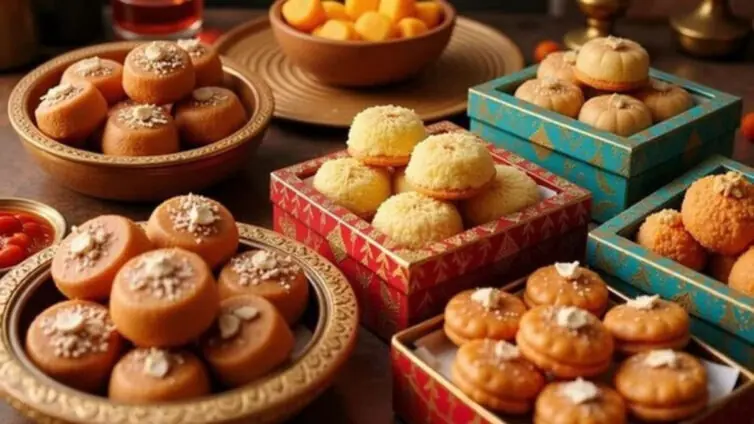


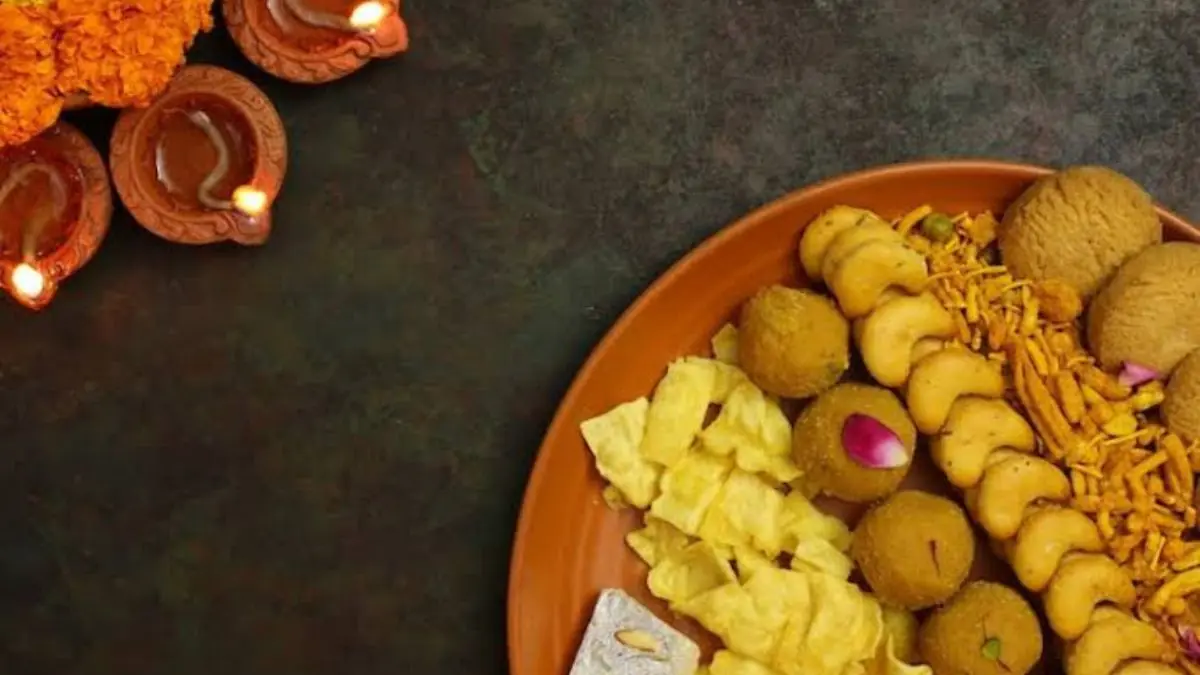
Diwali mithai boxes bring together some of India’s best-loved sweets, from kaju katli and gulab jamun to regional favourites made for the festive season. This article looks at the stories behind these treats, how they’re made and the techniques that give each sweet its distinct taste and texture.
When the festival of lights illuminates homes across the Indian subcontinent, the kitchen becomes the emotional and sensory heart of the household. The air fills with the rich aroma of roasting ghee, cardamom, and simmering sugar syrup, signalling the arrival of Diwali. While modern gifting aisles offer mass-produced confectionery, traditional Indian mithai remains a triumph of culinary science, dairy reduction, and sugar craft. From dense nut pastes and delicate milk solids to toasted flours bound with honey and jaggery, each sweet carries centuries of heritage. Exploring the pillars of the Diwali mithai box reveals the intricate techniques required to transform simple ingredients into edible works of art.
The Royal Legacy Of Kaju Katli
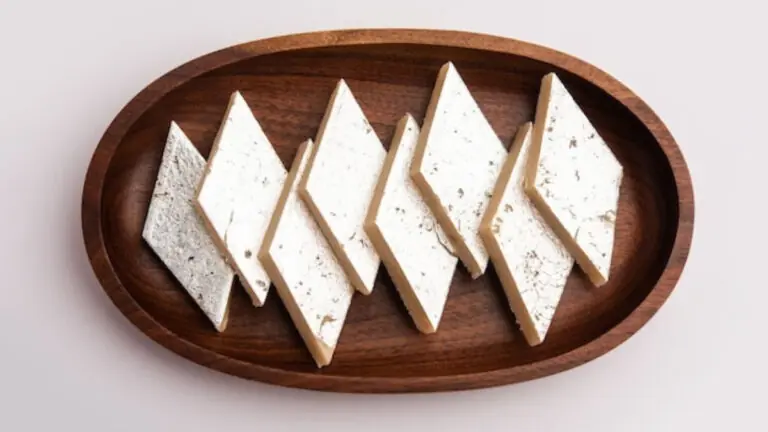
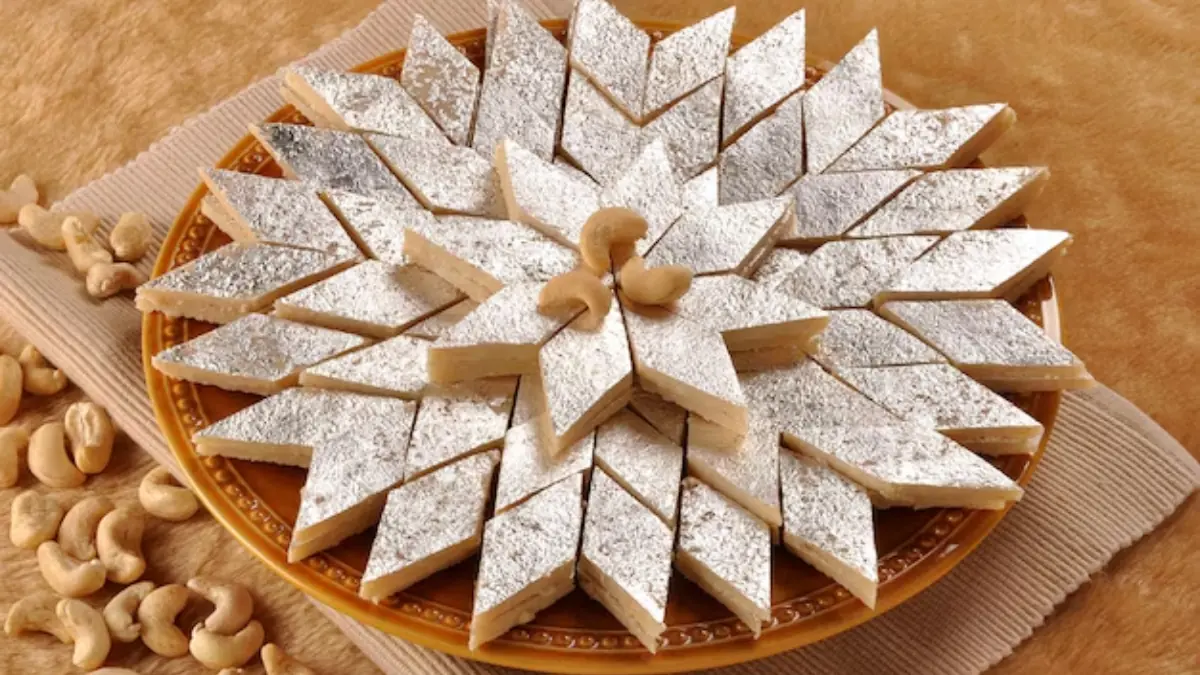
Kaju Katli stands as the undisputed monarch of the festive mithai box, celebrated for its smooth texture, sophisticated nutty flavour, and gleaming silver leaf. Originating from royal court kitchens where dried fruits and nuts signified status and wealth, this cashew-based fudge requires absolute precision during preparation. Soaked cashews must be ground into a micro-fine powder without generating excess heat that causes natural fats to separate into an oily paste. Achieving this delicate consistency is effortless with a Mixer Grinder, whose high-torque motor pulverises the nuts evenly while protecting their structural integrity. Once ground, the cashew paste is simmered with sugar syrup until it forms a pliable dough, rolled to an even thickness, and sliced into iconic diamond shapes that delight guests of all ages.
Golden Spheres Of Gulab Jamun
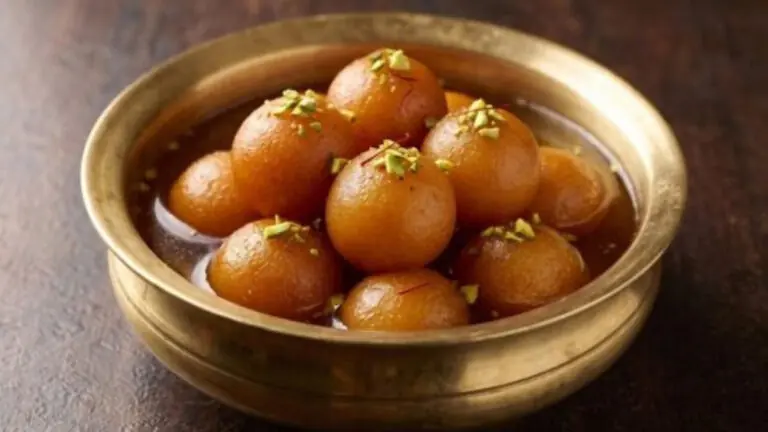
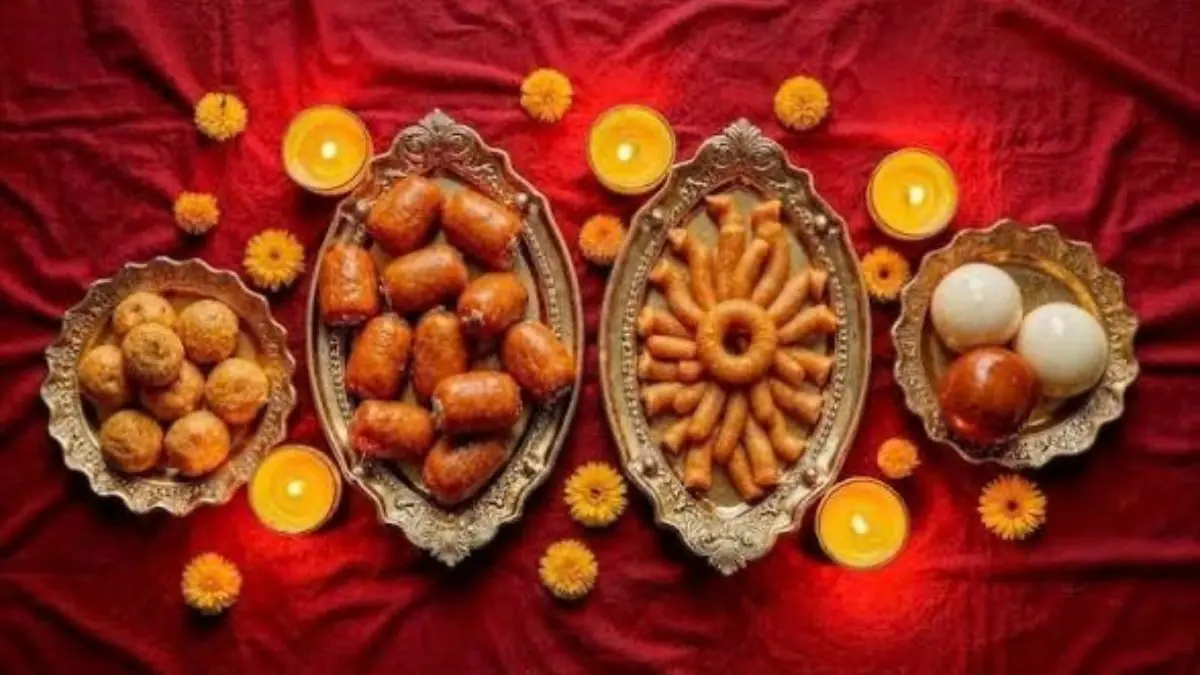
Few sweets command the universal adoration of a warm, syrup-soaked Gulab Jamun. These decadent golden spheres are crafted from fresh milk solids or khoya kneaded lightly with a touch of flour and baking soda, then shaped into smooth balls and fried slowly in ghee or oil until deeply browned. The real magic happens when the fried balls are submerged in a fragrant sugar syrup infused with green cardamom, rose water, and a thread of saffron, allowing the liquid to permeate every layer of the sponge. Managing the frying oil temperature is crucial to ensure the exterior cooks to a rich bronze without leaving the raw core uncooked. Using a Tri-Ply Stainless Steel Kadai provides exceptional heat regulation across the base and walls, ensuring uniform frying temperatures that yield perfectly tender, syrup-soaked jamuns every single time.
The Fragrant Art Of Traditional Pedas

Pedas represent one of the oldest forms of dairy-based confectionery in India, tracing their roots back to ancient temple offerings and royal households. Made by slowly reducing full-fat milk or fresh khoya with sugar over gentle heat, traditional pedas require patience and constant stirring to prevent scorching. As the moisture evaporates, the milk solids caramelise slightly, developing a rich, creamy brown hue and a fudge-like density that melts effortlessly on the tongue. Infused with crushed cardamom seeds, saffron strands, and garnished with chopped pistachios, shaping pedas by hand is a meditative festive ritual. Controlling the heat during this prolonged reduction process is vital, and preparing this mixture on an Induction Cooktop offers precise temperature control, allowing home cooks to maintain a steady, low simmer that ensures the khoya reaches the ideal consistency without burning at the bottom of the pan.
Festive Laddus From Besan To Boondi
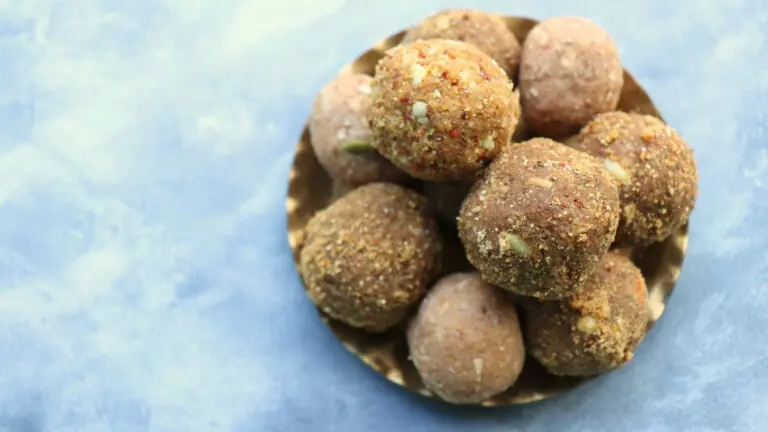
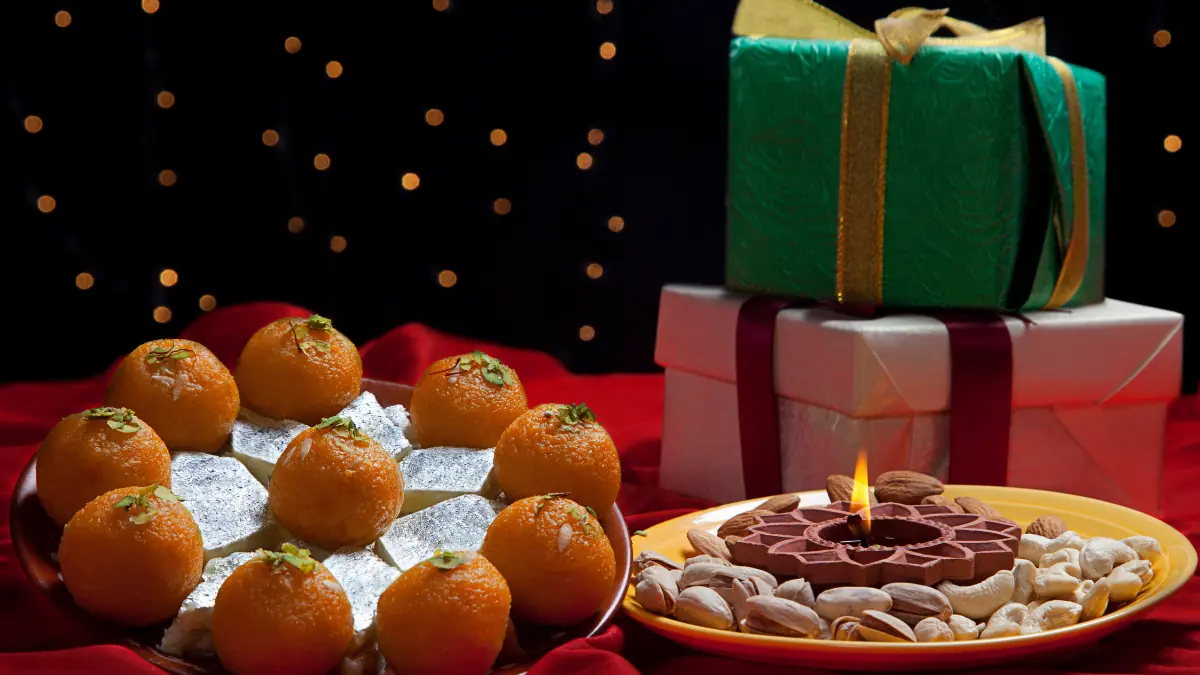
Laddus are the ultimate symbol of joy, celebration, and auspicious beginnings in Indian culture, served at weddings, births, and every major festival. Among the staggering variety of laddoos, Besan Laddu and Boondi Laddu hold legendary status. Besan laddu requires roasting coarse gram flour in generous amounts of ghee until the raw starch transforms into a nutty, aromatic paste, which is then sweetened with powdered sugar and shaped into golden spheres once cooled. The quality of the final sweet relies entirely on patient, low-heat roasting and precise grinding to achieve a smooth, melt-in-the-mouth texture. Whether you are grinding roasted nuts for garnish or preparing smooth chickpea flour bases, reliable kitchen tools ensure your festive sweets maintain their traditional charm and flawless consistency throughout the celebration.
Modern Innovations And Healthier Festive Treats
As contemporary lifestyles embrace mindful eating and wellness, the landscape of Diwali mithai is evolving to include lighter, nutrient-dense alternatives without sacrificing festive indulgence. Modern home cooks frequently experiment with date-and-nut laddoos, ragi-based sweets, and refined-sugar-free confections that celebrate natural sweetness. By replacing heavy dairy fats with cold-pressed coconut oil or ghee in moderation, and using whole grains and dried fruits as primary building blocks, these modern sweets offer sustained energy and rich flavour profiles. Ultimately, whether you are crafting time-honoured milk sweets or exploring wholesome new creations, the true essence of Diwali mithai lies in the care, devotion, and shared joy of gifting homemade treats to the people you love.