Pressure Cooker Recipes: Vrat-Friendly One Pot Dishes You Can Make For Navratri
Pressure Cooker Recipes: Vrat-Friendly One Pot Dishes You Can Make For Navratri
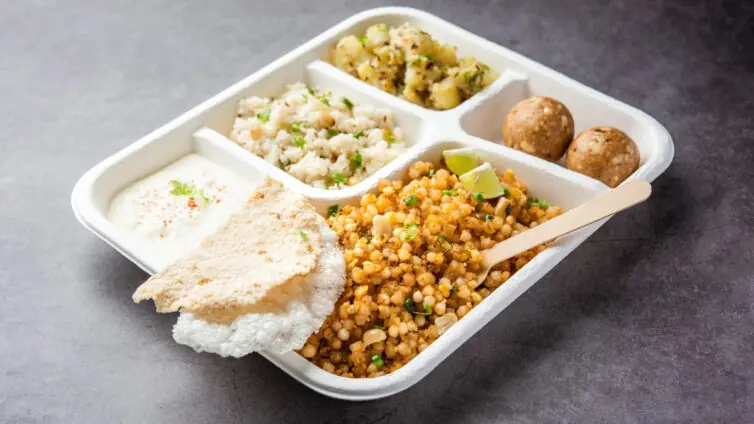


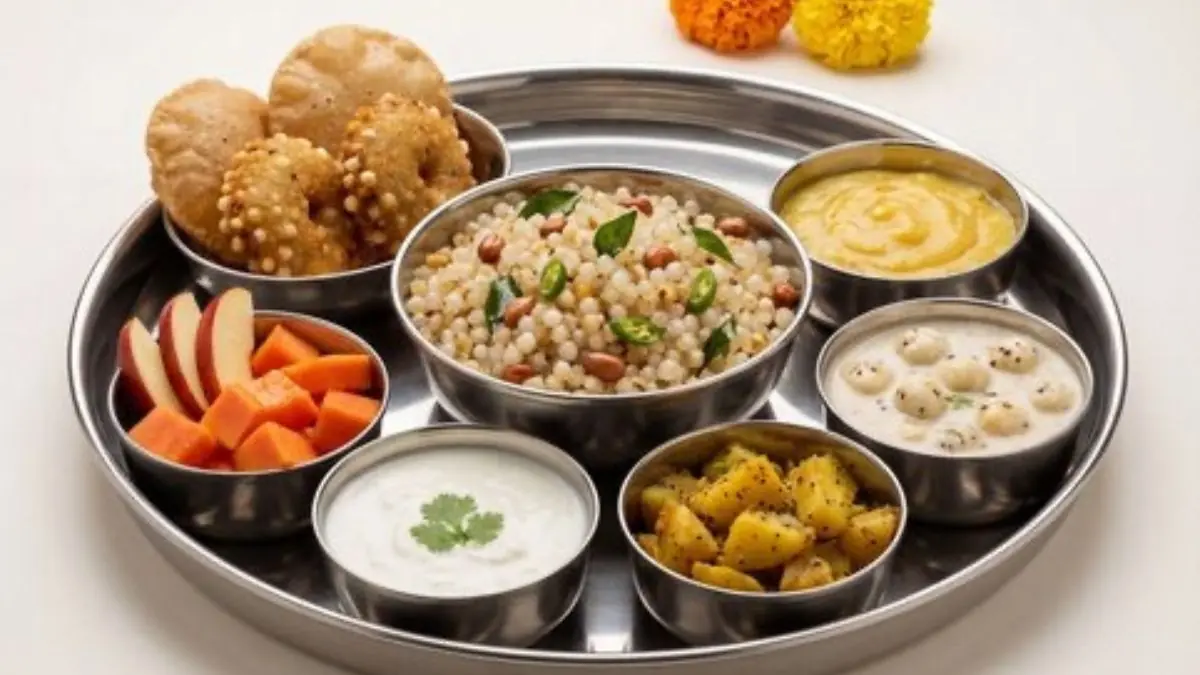
Who said you need to have potatoes in different ways to fast during Navratri. From vrat-friendly khichdis to pulaos to sabzis to kheer, here is how you can turn around your menus that are not bland and boring. Made with classic vrat ingredients like sabudana, samak chawal, kuttu atta, etc, this is just the Navratri guide you need.
Navratri turns any kitchen upside down for nine days. Onion and garlic go into hiding, and ingredients that usually sit untouched at the back of the pantry. Replacing the whole wheat flour and rice, options like sabudana, kuttu ka atta, singhare ka atta, rajgira, samak chawal suddenly carry every meal. It’s a demanding stretch. Between fasting, pujas, garba practice, and the general festive chaos, nobody has the patience to stand over three pots at once.
That’s where the pressure cooker helps. One vessel, one flame, a handful of whistles, and you’re done, no babysitting a pan while it simmers, no extra oil to make up for what evaporates. It also happens to suit these ingredients well: singhara dough softens evenly under pressure, sweet potato and arbi turn tender without falling apart, and cumin and ginger get pushed into the food instead of sitting on top of it.
What follows are these vrat-friendly one-pot recipes built around that idea. A few are old standbys done a simpler way, a couple lean toward dessert, and all of them stick to fasting rules: sendha namak instead of regular salt, no onion or garlic, and grains like kuttu, rajgira, and samak rice instead of wheat or rice. Most take under thirty minutes, and every one of them uses a single pot.
Sabudana Khichdi
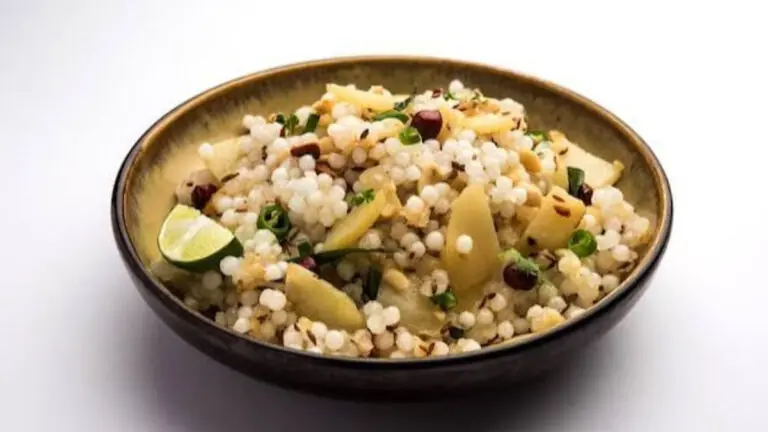
Sabudana khichdi usually goes wrong for one reason: the tapioca pearls turn into a sticky clump. Soaking them properly fixes most of that. Six to eight hours, until they’re soft and a little translucent, and separate easily when you press one between your fingers. Heat ghee in the cooker, let cumin seeds crackle, then add boiled potato cubes, green chillies, and crushed peanuts for crunch. Fold in the soaked sabudana with sendha namak, close the lid and secure the gasket, and give it exactly one whistle on low heat. Garnish with coriander leaves and sprinkle a little lemon juice and serve the sabudana khichdi with dahi.
Samak Rice Pulao
Samak rice, also known as barnyard millet, is the closest thing to regular rice that vrat cooking allows. Rinse and soak it for fifteen minutes, then add it to the cooker with warm ghee, a cracked cinnamon stick, a couple of cloves, and cumin, and fry until fragrant. Use a food processor to chop carrots, beans, boiled peanuts, slit green chillies, and grate ginger. Samak rice cooks faster than regular rice, so use less water than you’d expect, about one and a half times the rice, and stop at one whistle. It comes out fluffy and fragrant, closer to an actual pulao than most vrat dishes manage.
Kuttu And Aloo Khichdi
Buckwheat, aka kuttu ka atta, gets a lot of attention during Navratri for being filling, and cooked as a khichdi rather than rolled into puris, it’s also easier on the stomach. While deep-fried kuttu puris sit heavy, this one-pot khichdi doesn’t. Use coarse kuttu groats if you can find them, soaked briefly to soften. Heat ghee with cumin, add boiled potato cubes and grated bottle gourd for moisture, then add the soaked kuttu, sendha namak, and crushed black pepper. Two whistles on medium are enough; kuttu doesn’t need much more than that. Add a swirl of ghee and some chopped coriander at the end, and it stops tasting like fasting food and starts tasting like something you’d choose to eat anyway.
Vrat Vale Aloo
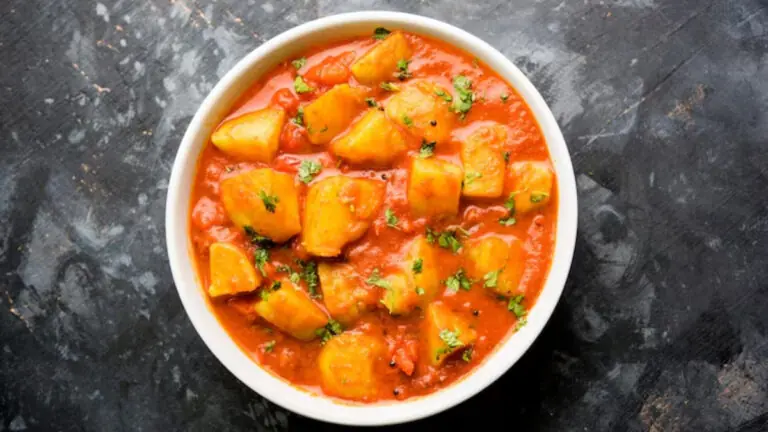
No fasting thali feels complete without the comforting warmth of fast-friendly aloo curry. Making this classic in a pressure cooker lets the potatoes soak up every drop of jeera, spicy pepper, and tart tomato juice. Begin by heating ghee in your pressure cooker, then sizzle cumin seeds, grated ginger, and chopped green chillies until fragrant. Add finely diced tomatoes and cook until soft and glossy. Toss in rough-cut potato chunks, coat them thoroughly with sendha namak and coarse black pepper, and pour in a generous splash of water. Pressure cook for two to three whistles until the potatoes are melt-in-your-mouth tender. Pair this comforting bowl with hot kuttu puris or samak rice.
Kaddu Sabzi
Pumpkin doesn’t get much attention during Navratri, which doesn’t really make sense, because it’s almost impossible to get wrong in a pressure cooker. Cube it, add it to heated ghee with cumin seeds and a slit green chilli, then stir in ginger and crushed peanuts. Sendha namak and a little black pepper are really all it needs; the pumpkin does most of the work itself. A small pinch of jaggery helps if that fits your fast. One low whistle is enough, since pumpkin turns to mush quickly if you push it further. What comes out is closer to a soft stew than a dry sabzi. Good on days when your stomach wants something undemanding, alongside kuttu puris or just plain curd.
Sabudana Kheer
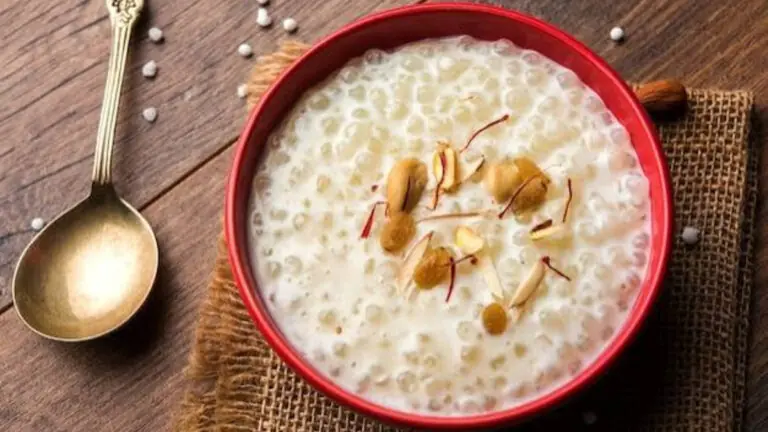
A lighter, milk-based option for when you want dessert without the effort of the halwa. Soak small-pearl sabudana for about thirty minutes, then cook it in the pressure cooker with full-fat milk and a cracked cardamom pod, two to three whistles on low. The pearls turn translucent and thicken the milk on their own, no starch needed. Add sugar only after the pressure releases; too early, and it slows down the sabudana’s cooking. Almonds, pistachios, and a few strands of saffron soaked in warm milk make it feel a little festive rather than plain. Sabudana kheer keeps in the fridge for a day or two, so it’s an easy thing to make ahead on a night when cooking is the last thing you want to do.