Everyday Vegan Ingredient Swaps Every Home Cook Should Know
Everyday Vegan Ingredient Swaps Every Home Cook Should Know


Swapping animal products in daily cooking relies on understanding basic food chemistry rather than buying specialised processed substitutes. Mastering practical plant based swaps using simple pantry staples like soaked cashews, flaxseed paste, and mushrooms allows you to recreate rich textures, binding properties, and deep savoury flavours in your everyday kitchen.
Transitioning to a plant based diet often feels intimidating because traditional recipes rely so heavily on dairy, eggs, and meat to build structure, moisture, and mouthfeel. However, cooking without animal products does not require you to purchase expensive packaged alternatives or completely relearn how to manage your kitchen. Most animal ingredients serve specific chemical functions in a recipe, such as creating emulsions, providing elasticity, holding ingredients together, or adding concentrated fat. Once you understand the underlying purpose of an ingredient within a dish, selecting an effective plant based swap becomes remarkably straightforward and intuitive. Stocking your pantry with a few versatile whole food staples allows you to adapt familiar family recipes effortlessly while keeping your meals wholesome, nutritious, and deeply satisfying. Whether you are baking a delicate cake, whipping up a rich cream sauce for pasta, or simmering a hearty vegetable stew, simple whole food substitutions preserve the texture, depth, and comforting appeal of your favourite traditional meals.
Rethinking Milk And Heavy Cream

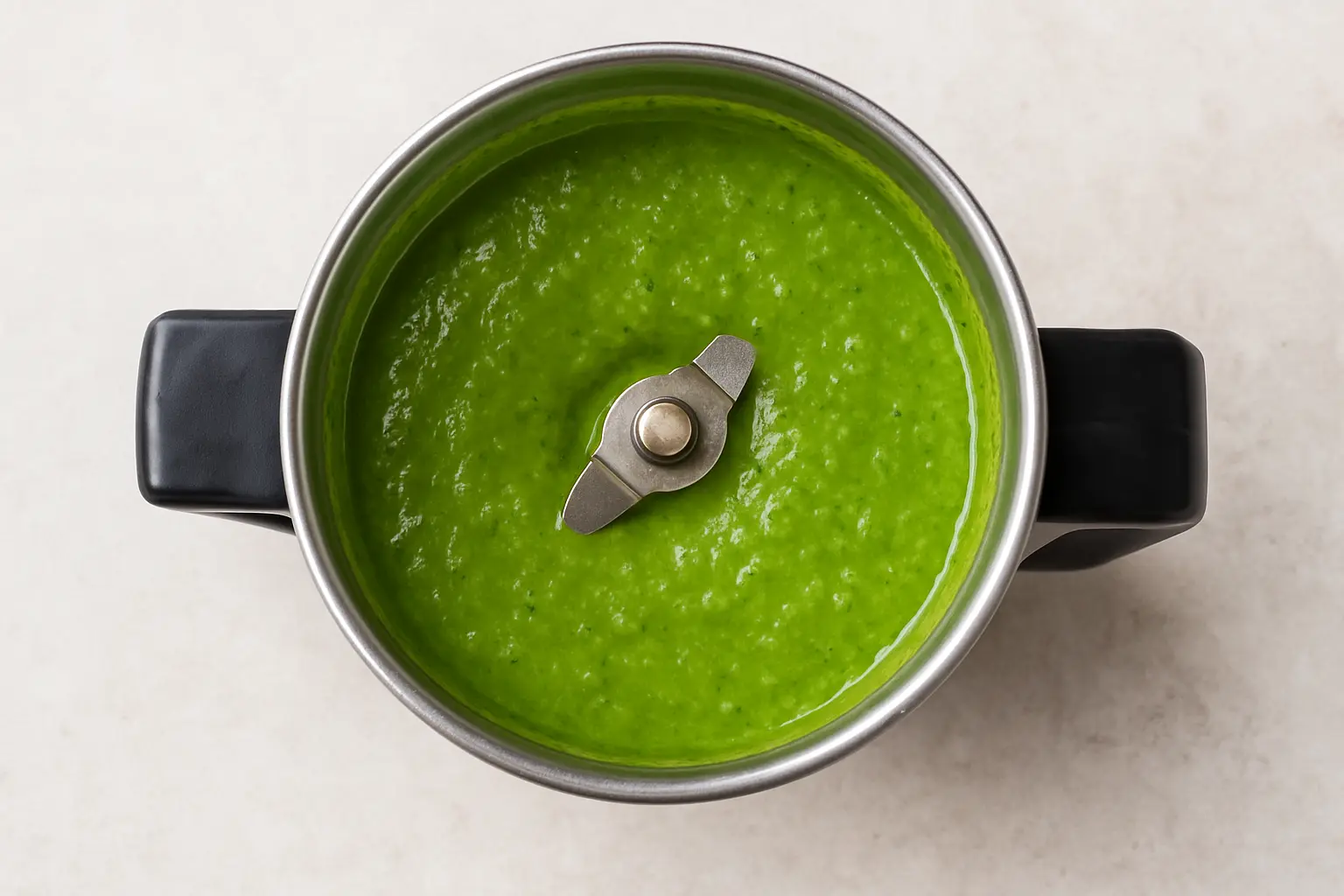
Liquid dairy adds moisture, fat, and body to both sweet and savoury dishes, but plant based liquids can perform the exact same culinary job when selected thoughtfully. Full fat oat milk is one of the most reliable direct replacements for cow milk in daily cooking because it features a neutral taste, a thick natural body, and will not split or curdle when stirred into hot tea, coffee, or simmering soups. When a recipe calls for heavy cream, sour cream, or thick yoghurt, soaked cashews provide an extraordinarily rich alternative that rivals traditional dairy. Blending raw cashews with warm water and a pinch of salt creates a smooth, velvety liquid that holds up exceptionally well under high heat, making it ideal for rich pasta sauces, bisques, and spiced gravies. For dishes that benefit from a subtle tropical sweetness or an ultra velvety finish, canned full fat coconut milk remains a fantastic option that adds instant body to curries, soups, and baked puddings without requiring complicated preparation.
Replacing Eggs For Moisture And Binding

Eggs wear many different hats in the kitchen, serving as structural binders in savoury dishes or providing essential lift, structure, and moisture in baked goods. Finding the proper plant based replacement depends entirely on identifying what the egg is doing in your specific recipe. If you need a binding agent to hold veggie burgers, bean patties, meatballs, or fritters together, a flaxseed paste is your most effective solution. Mixing one tablespoon of ground flaxseed with three tablespoons of water creates a thick, gel-like paste within minutes that perfectly mimics the structural hold of an egg white. For cakes, muffins, and quick breads where moisture and tender crumbs are the primary goals, unsweetened applesauce or mashed ripe bananas provide excellent moisture without altering the final bake. In recipes where leavening and airy lift are required, combining carbonated mineral water or a simple mix of baking soda and apple cider vinegar creates gentle carbon dioxide bubbles that help your cakes rise beautifully without leaving any unwanted aftertaste.
Replicating Savoury Umami And Cheese Profiles
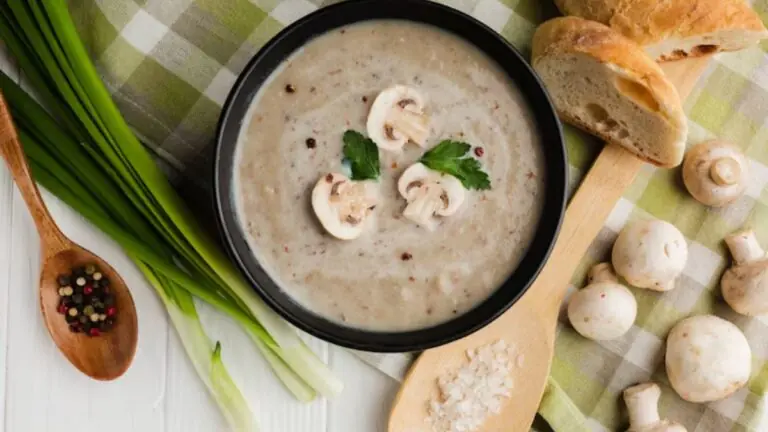
That sharp, salty bite of aged cheese or the deep savouriness associated with slow cooked meat comes down to the presence of naturally occurring umami compounds. Nutritional yeast is an essential staple for any plant based kitchen, offering dry golden flakes with an intensely cheesy, nutty flavour profile. Whisking nutritional yeast directly into cashew cream or sprinkling it over baked vegetables and popcorn provides the sharp, savoury punch traditionally supplied by parmesan or sharp cheddar cheese. To replicate the complex, satisfying depth of meat in stews and sauces, you can turn to whole foods rich in natural glutamates like dried shiitake mushrooms, tomato paste, and fermented soy products. Sautéing mushrooms in a non-stick fry pan until golden or simmering dried shiitakes into vegetable stocks releases concentrated savoury notes that turn a simple broth into a robust, deeply satisfying soup base that coats the back of a spoon.
Building Texture With Whole Food Meat Alternatives
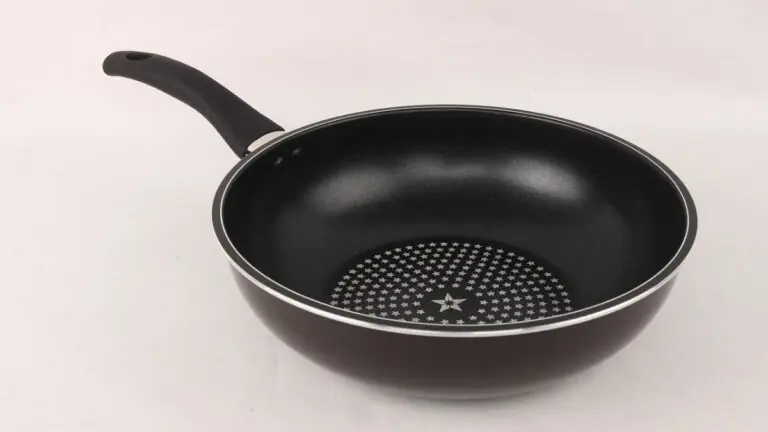
Recreating the satisfying chew and substantial mouthfeel of meat is best achieved using whole ingredients with dense cellular structures rather than relying on heavily processed factory alternatives. Tempeh, made from fermented whole soybeans, possesses a firm texture and an earthy, nutty taste that absorbs rich marinades exceptionally well. Slicing tempeh thinly and pan frying it until crisp yields a satisfying bite that works brilliantly in sandwiches, salads, and stir fries. For shredded meat preparations like pulled pork or shredded chicken, canned young green jackfruit is an unbeatable natural substitute. Its neutral taste and stringy, fibrous texture absorb barbecue or curry sauces completely, delivering an authentic bite without any heavy processing. Furthermore, simply freezing a block of extra firm tofu, thawing it, and pressing out the excess water transforms its texture from soft to wonderfully spongy and chewy, allowing it to soak up sauces while holding its shape in hot stir fry pans.
Using Plant Fats For Baking And Sautéing
Butter provides essential fat, rich flavour, and short texture in baked goods while offering a crucial non-stick base for daily pan frying. Cold extra virgin coconut oil acts as a seamless direct substitute for solid butter when making flaky pastry crusts and shortbread biscuits, giving the dough its necessary crumbly structure without melting too quickly at room temperature. For daily sautéing, roasting, and dressing cooked vegetables, high quality extra virgin olive oil or neutral avocado oil supply rich, healthy fats with excellent heat tolerance. When making traditional cakes or muffins, neutral liquid oils like sunflower or canola oil keep the crumb soft and moist for days longer than butter would. Using solid plant fats when structural crispness is needed and liquid oils when moisture retention is paramount ensures that your home cooked dishes achieve a beautiful golden brown finish while keeping the final crumb light, tender, and delicious.