Vegan Ingredient Swaps To Make Your Meals Plant-Based
Vegan Ingredient Swaps To Make Your Meals Plant-Based
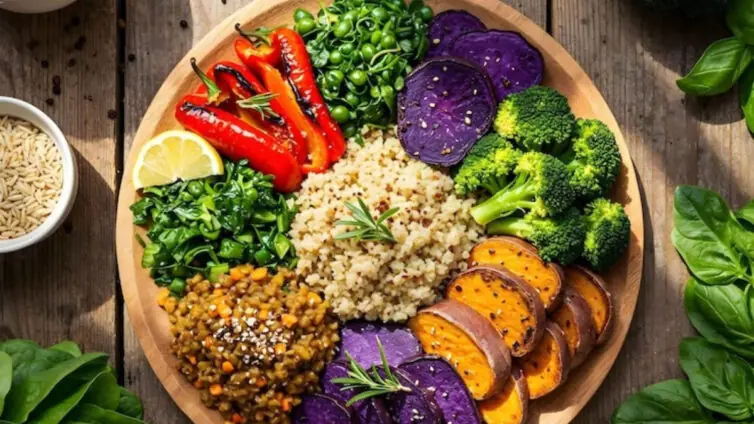


This guide moves beyond processed vegan alternatives and focuses on practical pantry based swaps that allow you to replicate the textures, depths and nutritional profiles of traditional dishes. It prioritises flavour integrity helping you maintain the soul of your favourite meals while transitioning to a fully plant based kitchen.
Moving toward a plant based diet often feels like a massive hurdle mostly because we associate comfort with specific textures: the richness of cream, the chew of meat or the tang of yoghurt. The good news is that you do not have to relearn how to cook from scratch or rely on expensive highly processed store bought substitutes. Most animal based ingredients serve a specific functional or chemical purpose whether it is adding fat binding a mixture or providing a savoury depth. Once you understand the why behind an ingredient, finding a plant based swap that performs the exact same task becomes incredibly simple. By stocking a few versatile staples you can keep your kitchen routine familiar while naturally shifting to a menu that feels just as satisfying as the original.
Rethinking Dairy Fats And Creaminess
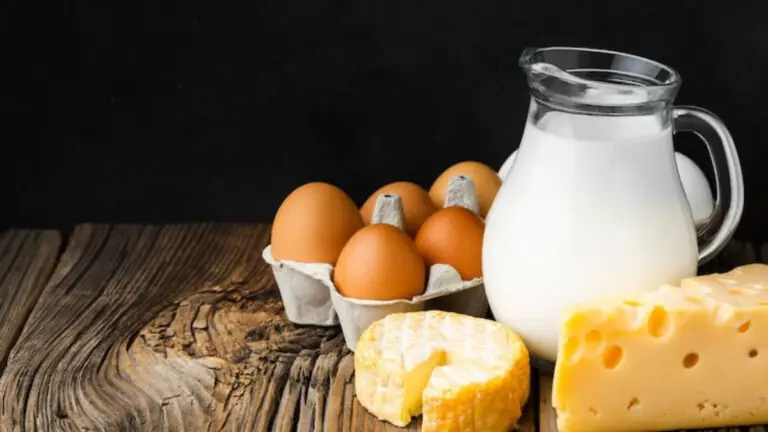
Dairy is often the hardest thing to let go of because it provides an immediate sense of mouthfeel and richness. In the world of vegan cooking, fat is your best friend. For everyday cooking full fat oat milk is arguably the most reliable swap for dairy milk. It has a neutral taste and a surprisingly thick body that will not curdle when you add it to hot tea or coffee. When you need that heavy indulgent creaminess for a pasta sauce or a hearty soup, stop looking for vegan cream cartons and start using nuts. Soaked cashews blended with a splash of water and a pinch of salt transform into a luxurious liquid that mimics heavy cream almost perfectly. If you are worried about the nuttiness, full fat canned coconut milk is the industry secret for curries and desserts. It provides an incredible velvety finish that dairy just cannot match. As for butter, stick to high quality blocks made from a blend of coconut and almond oils. They have a high smoke point and brown beautifully in a pan meaning your sautéed vegetables and cakes will taste exactly like the versions you grew up with.
Decoding Binding And Leavening Without Eggs
Eggs are the Swiss Army knife of the kitchen. They bind, they rise and they provide structure. Replacing them is not about finding a singular magic egg but rather choosing the right tool for the specific job. If you are making veggie burgers, meatballs or pancakes and need something to hold the ingredients together, a flax egg is your best solution. Mixing one tablespoon of ground flaxseed with three tablespoons of water creates a thick gummy paste that mimics the structural binding power of a chicken egg perfectly. For baking where you need a bit of lift and moisture, you have even more options in your fruit bowl. Applesauce or mashed ripe bananas are fantastic for cakes and muffins because they add moisture while keeping the crumb tender. If you are making something light that should not taste like bananas try carbonated mineral water the bubbles provide the leavening lift that makes a cake rise and stay airy. And for those missing the flavour of eggs in breakfast dishes, learn the power of black salt kala namak. It has a naturally sulfurous eggy aroma that when added to seasoned chickpea flour besan will fool even the most dedicated egg lover.
Building Meatiness And Umami Depth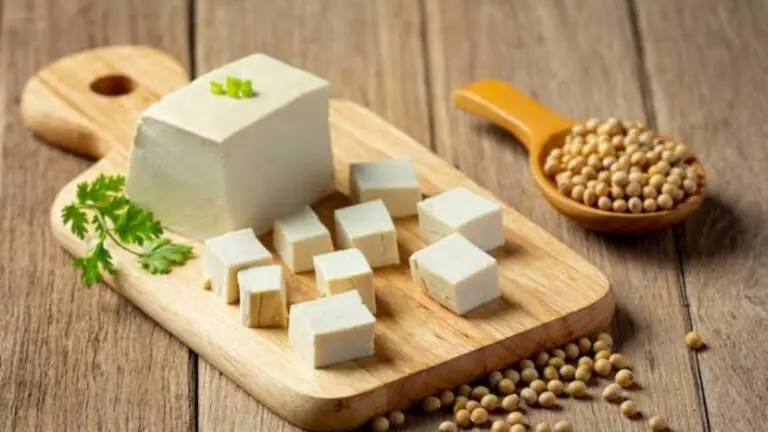
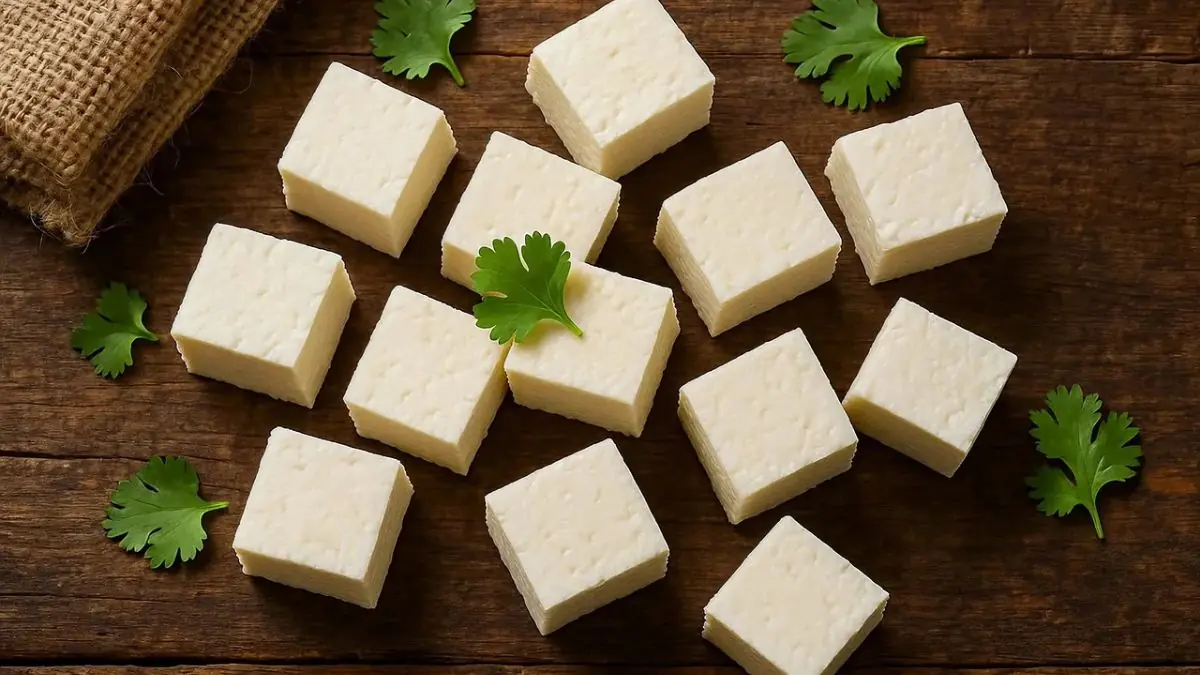
The biggest complaint about vegan and plant based meals is that they sometimes lack the heaviness or savoury satisfaction of meat. This is where umami, the fifth taste, comes into play. You do not need synthetic meat crumbles to achieve this. Jackfruit is an incredible ingredient to keep in your pantry when young and green. Its cellular structure is remarkably similar to shredded pork or chicken. Simmer it in a smoky barbecue sauce or a spicy curry base and it will absorb every ounce of flavour shredding into perfect meaty strands. For a deeper more profound savouriness look to the plant kingdom is naturally aged products. Dried shiitake mushrooms and sun dried tomatoes are absolute gold mines of glutamates. Sautéing them or tossing them into a broth adds a rich lingering savouriness that makes a vegetable soup taste like it has been simmering with bones for hours. If you want that satisfying bite try freezing a block of extra firm tofu then thawing it and pressing out the water. This process changes the structure of the tofu, turning it into a chewy sponge-like material that crisps up perfectly in a hot pan and drinks up your marinades.
Levelling Up Your Cheese And Yoghurt Game
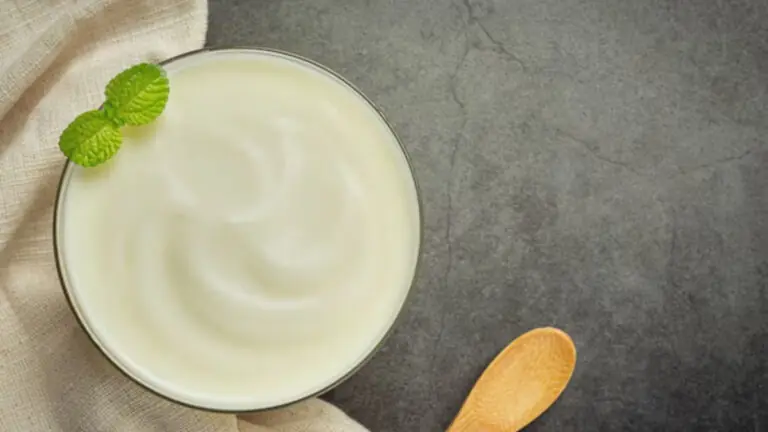
Cheese has always been the final frontier for many people going vegan but the trick is to stop trying to replicate slices and start focusing on the flavour profiles you actually miss. Nutritional yeast is not negotiable in a plant based kitchen; it is a dry flaky powder with an intensely nutty cheesy profile. Whisking it into a bit of cashew cream or even just sprinkling it over steamed broccoli or pasta provides that sharp savoury hit we crave from parmesan. If you miss yoghurt stop buying the ultra processed long ingredient list versions at the store. Fermented soy yoghurt is often the best alternative because it has the right protein content and if you find a good brand the perfect amount of lactic acid tang. If you need a dip or a raita, start with a base of soaked cashews or sunflower seeds and blend them with lemon juice and salt. It is cleaner, healthier and lets you control the consistency. By focusing on these natural whole food swaps you stop feeling like you are eating substitute food and start enjoying a style of cooking that is fundamentally rich, balanced and delicious.