Heart-Healthy Indian Recipes You Can Cook In A Pressure Cooker
Heart-Healthy Indian Recipes You Can Cook In A Pressure Cooker
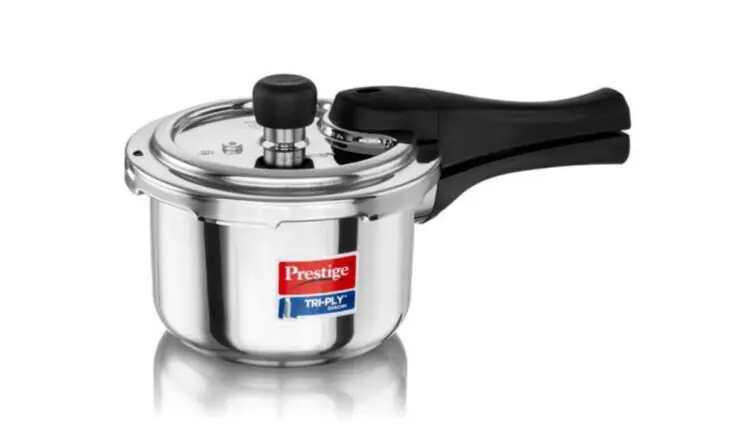


Choosing heart-healthy recipes in an Indian kitchen involves selecting ingredients that lower cholesterol and support blood pressure while maintaining traditional flavours. Using a pressure cooker allows for much faster cooking with significantly less oil while keeping essential vitamins and minerals intact within the food. This efficient approach makes it easy to prepare nourishing meals like whole grain porridge and protein-rich lentils that contribute to a stronger heart and better circulation every single day.
Maintaining a healthy heart is one of the most important goals for anyone looking to improve their long-term wellness in a world full of processed options. In many Indian households, the traditional way of cooking often involves deep frying or using large amounts of clarified butter and oil to create rich gravies. While these dishes taste wonderful, they can sometimes lead to health issues if eaten too frequently over many years. Shifting toward a heart-healthy diet does not mean giving up the spices and textures that we love so much. It simply means finding better ways to prepare our favourite ingredients so that they support our bodies instead of weighing them down. The pressure cooker is an incredible tool for this transformation because it uses high-pressure steam to soften food quickly. This means you do not need as much fat to prevent the ingredients from sticking or to help them cook through properly. When you cook under pressure, the natural moisture of the vegetables and grains is trapped inside, which helps to preserve the delicate nutrients that are often lost during open-pot boiling. For a busy person, the speed of a pressure cooker is a massive advantage that makes it easier to stick to a healthy eating plan even on a tiring workday. You can come home and have a nutritious, steaming hot meal ready in under twenty minutes without much effort at all. It is about making the healthy choice the easiest choice in your daily routine. By focusing on whole foods like lentils, beans, and unrefined grains, you can create a menu that is both satisfying and beneficial for your cardiovascular system. This journey toward a healthier heart starts with the very next meal you decide to prepare in your kitchen.
The Benefits Of Whole Grains
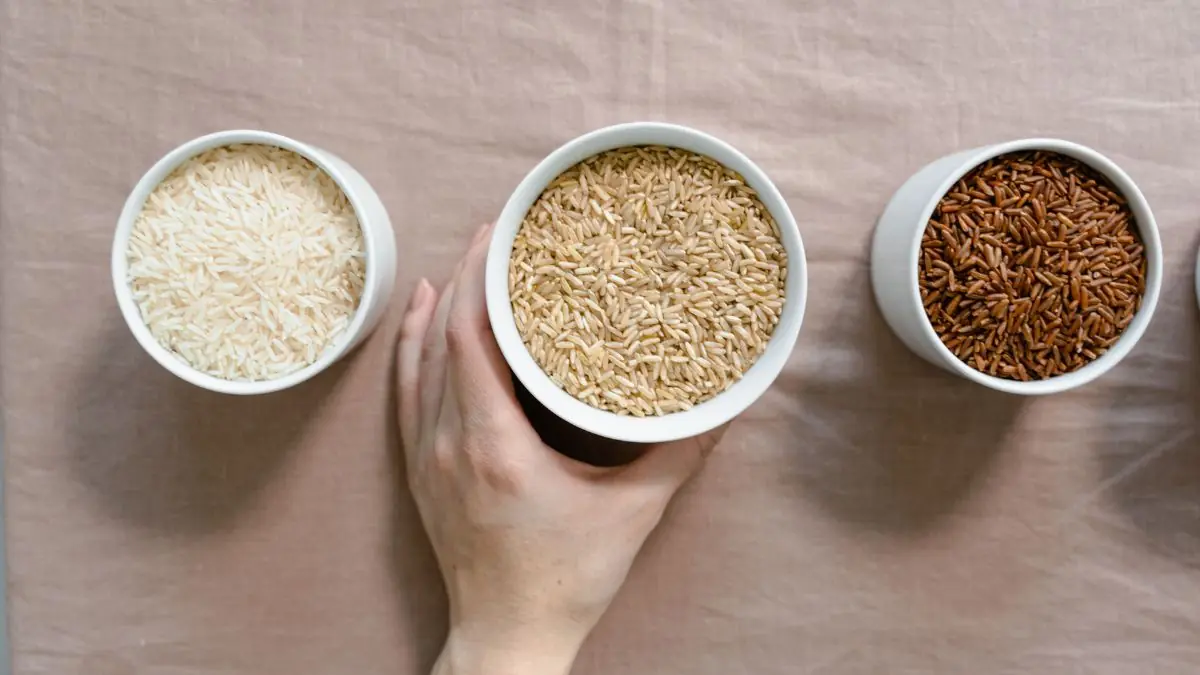
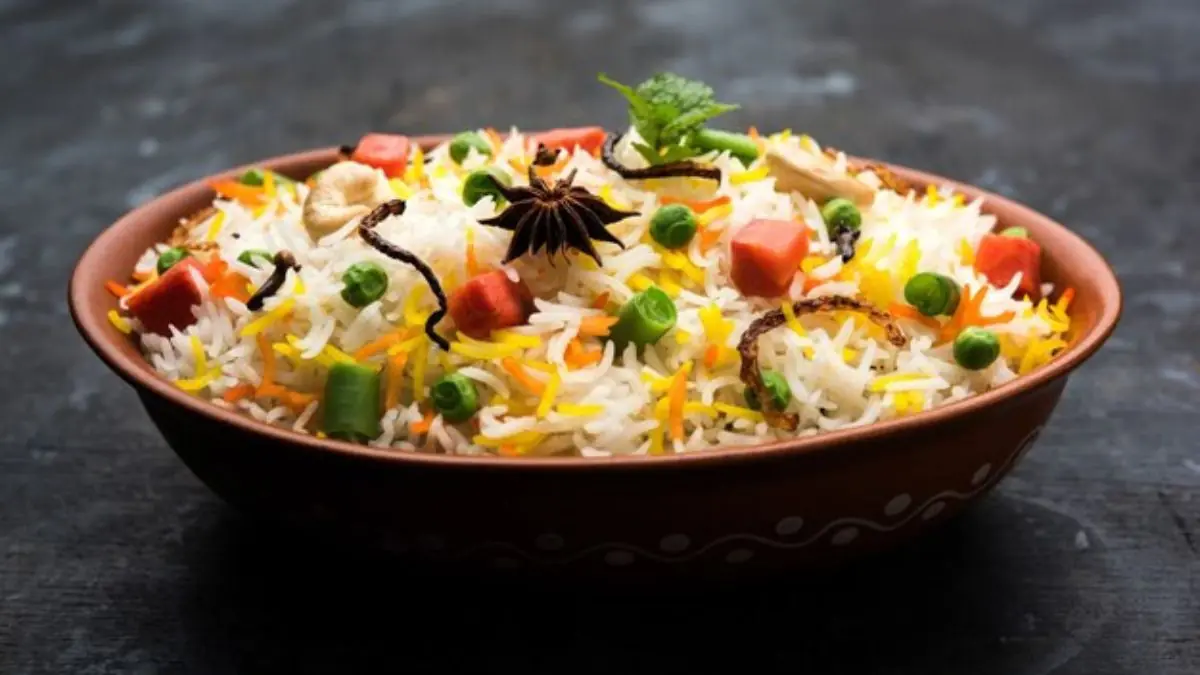
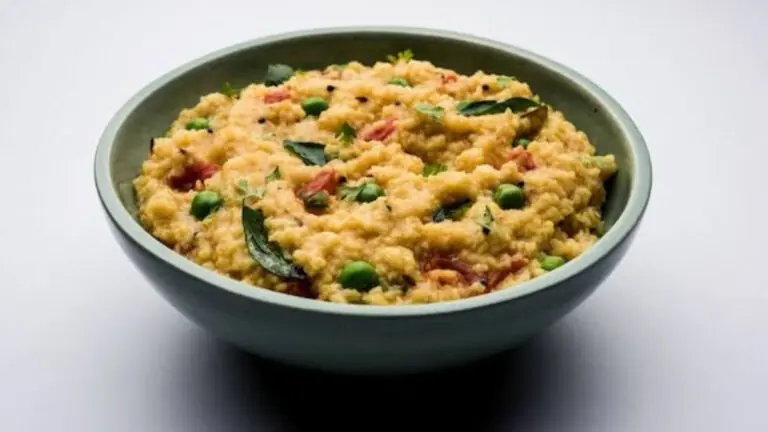
The first step toward a heart-healthy diet is replacing refined grains like white rice and white flour with whole grain alternatives. Grains like broken wheat, also known as daliya, and brown rice are packed with dietary fibre which helps to clear out bad cholesterol from your bloodstream. Cooking these grains in a pressure cooker is much more effective than using a regular pot because the high pressure helps to break down the tough outer bran much faster. This results in a soft and chewy texture that is very satisfying and keeps you feeling full for a much longer time. You can make a simple vegetable daliya by adding chopped carrots, peas, and beans into the cooker along with the grain and a bit of turmeric. This creates a complete meal that is low in fat but very high in the nutrients your heart needs to function at its best. You can explore more healthy breakfast and grain recipes to find new ways to use these whole grains in your daily life. Making this switch is a simple habit that provides a huge boost to your overall energy levels and heart health.
Plant Based Proteins And Legumes
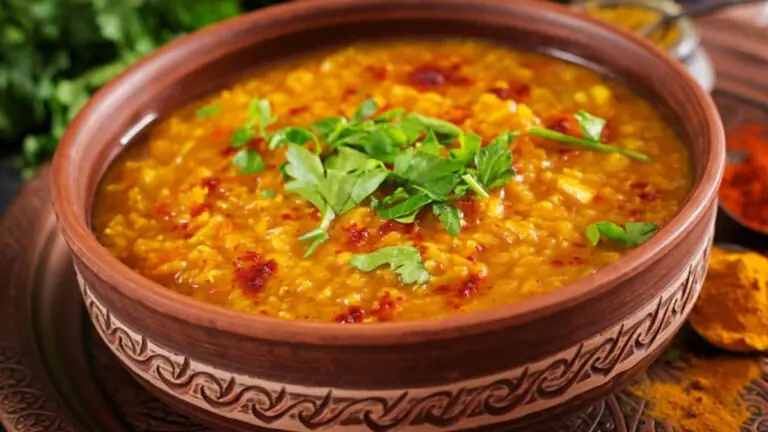
Lentils and beans are the cornerstones of a nutritious Indian diet and they are naturally excellent for heart health because they contain no saturated fat. Whether it is moong dal, masoor dal, or chickpeas, these legumes provide the protein needed for muscle repair without the risks associated with red meat. A pressure cooker is the best way to prepare these ingredients because it ensures they are cooked thoroughly until they are soft and easy for the body to digest. Instead of the usual heavy tempering with a lot of oil, you can use a small amount of olive oil or just a teaspoon of ghee to sauté your cumin and garlic. This keeps the calorie count low while still providing the deep and earthy flavours that make a dal so comforting to eat. Including a variety of beans like kidney beans or black-eyed peas in your weekly plan provides different types of antioxidants that protect your blood vessels. You can find many nutritious dal and bean recipes that focus on low-oil cooking techniques for a better heart.
One Pot Vegetable Stews
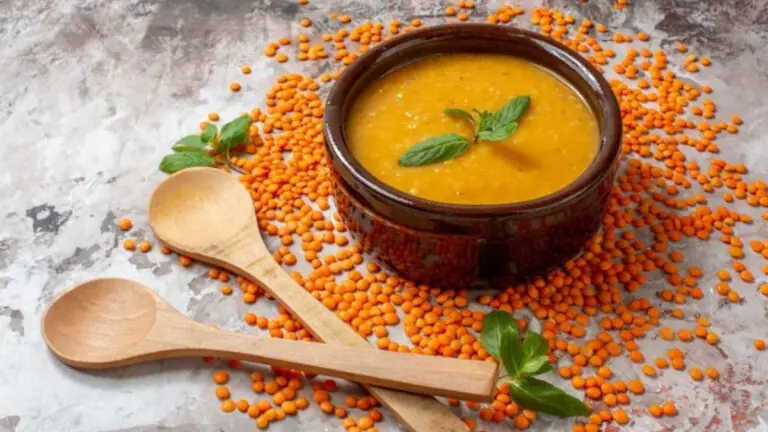
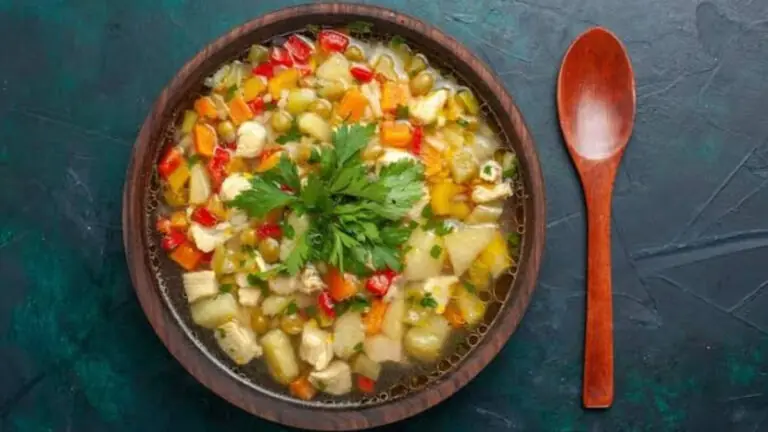
One of the best ways to reduce the amount of fat in your cooking is to move toward one-pot meals where everything is cooked together in the pressure cooker. When you cook vegetables like bottle gourd, pumpkin, and cauliflower along with a small amount of lentils, the flavours meld together beautifully without needing much extra seasoning. The steam inside the cooker extracts the natural sweetness from the vegetables, creating a rich gravy that does not rely on cream or butter. This method also saves you a lot of time on cleaning up because you only have one pot to wash after dinner is finished. Heart-healthy cooking is about simplifying the process so that you can enjoy the natural taste of the produce. You can add a pinch of black pepper and some fresh lemon juice at the end to brighten the flavours without adding any salt or fat. Using simple kitchen tips for vegetables can help you understand which combinations work best for a fast and healthy stew.
Incorporating Green Leafy Vegetables
Green leafy vegetables like spinach and fenugreek are vital for heart health because they are rich in nitrates which help to relax the blood vessels and improve flow. You can easily add these greens to your pressure-cooked dishes right at the end to keep them vibrant and full of vitamins. For example, adding a large handful of chopped palak to a dal just before you close the lid for the final whistle ensures the greens are perfectly cooked but not mushy. These vegetables provide a huge amount of Vitamin K and folate which are essential for maintaining a steady heart rhythm and healthy blood cells. It is a very easy way to increase the volume of your meal and the nutritional value without adding many calories. Many people find that adding these greens makes their daily meals feel much more fresh and energising during a long day.
Choosing Reliable Cooking Tools
The quality of the tools you use in your kitchen plays a significant role in how healthy your final meals will be. Using a high-quality stainless steel pressure cooker ensures that there is no chemical reaction with acidic ingredients like tomatoes or lemon juice. Modern cookers are designed to distribute heat evenly, which prevents the food from burning and allows you to use even less oil than older models. It is also important to keep your cooker in good condition by checking the gasket and the safety valve regularly to ensure it works at the correct pressure. A durable and safe pressure cooker is a worthwhile investment for any home where healthy eating is a priority for the whole family. Taking care of your appliances means they will continue to help you prepare nutritious meals for many years to come. A clean and well-maintained cooker makes the process of healthy cooking much more enjoyable and stress-free every day.
Committing To A Healthier Future
Transitioning to a heart-healthy diet is a long-term commitment that brings wonderful rewards in terms of energy and longevity. By making small changes to the way you use your pressure cooker, you can significantly reduce your intake of unhealthy fats while still enjoying delicious Indian food. It is about being mindful of the ingredients you choose and the methods you use to bring them to the table. Every healthy meal you cook is a step toward a more vibrant life for you and your loved ones. You do not have to be a professional chef to create these nourishing dishes, as the pressure cooker does most of the hard work for you. Enjoy the process of exploring new recipes and finding the flavours that make you feel your best every single day. Consistency is the most important part of this journey, and having a simple routine makes it much easier to stay on track. Your heart will thank you for the care and attention you provide through the wholesome food you prepare at home.