Meal Prep Ideas Using Modern Appliances: How To Plan Your Week In Advance
Meal Prep Ideas Using Modern Appliances: How To Plan Your Week In Advance


There isn’t a single appliance that can turn hours of meal prep into a five-minute chore; however, when layered together, they make the weekend marathon smoother. If you keep busy throughout the week, here’s how to meal prep quickly and make the most of your modern appliances.
There’s a particular kind of exhaustion that hits mid-week around 8 PM, standing in front of an open fridge with no energy to cook, the food delivery apps start glowing on phone screens much before anyone admits defeat. Even if you start your week with good intentions, a grocery list, and a Pinterest board of ‘healthy meals,’ you might lose your motivation by Wednesday if you don’t meal prep.
Well, fortunately, the era of slave-over-the-stove batch cooking is officially behind us. With the advent of technology, modern appliances can save you from ordering in at the last minute. From batch prepping a standard onion and tomato gravy base, grinding the spice mixes, chopping the veggies, to air frying or pre-baking, read on this ultimate meal prep guide and make your busy week calmer.
Multi-Cooker

If meal prep had a mascot, it would be the multi-cooker. This appliance collapses hours of unattended simmering into a fraction of the time by cooking under pressure: dried chickpeas turn hummus-ready in under thirty minutes, and a tough cut of chuck roast goes fall-apart tender in under an hour with no basting required. For weekly planning, the real advantage is batch capacity. A six- or eight-quart insert can produce an entire week’s protein, shredded chicken, black beans, lentil dal, pulled pork, in a single cook cycle, often while something else is happening entirely, like laundry or grocery shopping. Many models also work as rice cookers, yoghurt makers, and steamers, so one appliance replaces three. The “keep warm” function is underrated: it lets prep be staggered without food sitting out or drying up. Start Sunday’s routine with the multi-cooker first, since it needs the least supervision, then build the rest of the session around its cook time.
Air Fryer
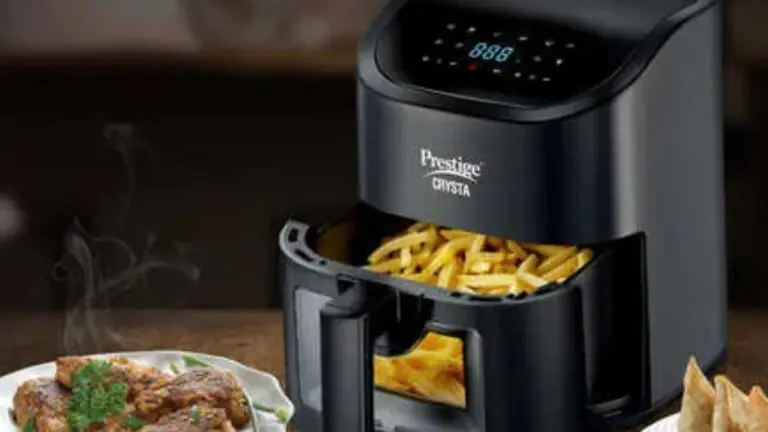
The air fryer earns its hype less for making “healthier” fried food and more because it makes batch-roasting fast and nearly foolproof. A basket of chopped vegetables comes out caramelised and crisp in under fifteen minutes, no oven preheat, no sheet pan to scrub. Proteins cook just as well: chicken thighs, salmon fillets, and tofu cubes all come out evenly done with a fraction of the oil roasting usually demands. However, the bigger meal-prep advantage is reheating. While a microwave turns crispy food soggy, an air fryer restores that texture in about five minutes.
Food Processor
Most meal prep begins at a cutting board long before anything gets cooked, and the food processor turns that bottleneck into a five-minute task. Onions, carrots, garlic, and peppers get diced or shredded in seconds instead of the fifteen or twenty minutes of hand-chopping. That matters more than it sounds, because prep fatigue often sets in during the chopping phase, before cooking even starts. A food processor removes most of that friction. Beyond basic chopping, it handles the tasks that are tedious by hand: grating a block of cheese, pulsing ingredients, blitzing nuts and herbs into a pesto or dressing that can dress five different lunch bowls through the week. Look for a model with multiple blade attachments and a large bowl, since switching between shredding discs and chopping blades lets you process vegetables in larger, less annoying batches.
Hand Blender
A high-speed blender does far more meal-prep work than its smoothie reputation suggests. Beyond breakfast, it’s the fastest way to build the sauces, dressings, and soups that keep a week of repeated meals from tasting the same twice. A five-minute peanut sauce, a blended tomato soup, or a green goddess dressing can turn the same base of rice and chicken into three completely different meals across the week. Motor strength matters here: weaker blenders struggle with fibrous ingredients like ginger, kale stems, or frozen fruit, while a real high-speed model purees them smooth in under a minute. For breakfast specifically, smoothie packs, pre-portioned bags of fruit, greens, and add-ins stored in the freezer, turn the blender into a fifteen-second breakfast machine on weekday mornings. Some models handle hot ingredients well enough to blend soup right after cooking, skipping the immersion blender step.
OTG Oven
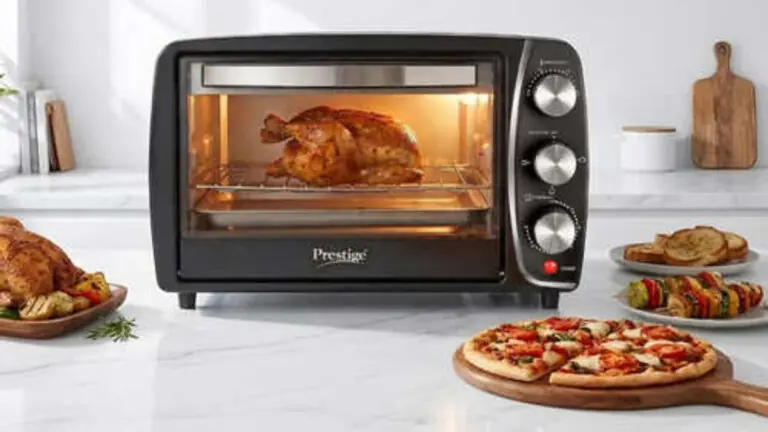
The countertop OTG oven is the appliance most people underestimate, mostly because it looks like a smaller, less capable version of a full oven. In practice, the compact size means faster preheating and more even heat circulation, which makes it efficient for the smaller-batch roasting and reheating meal prep actually needs, without heating an entire kitchen for one tray. It handles the jobs air fryers struggle with at scale: a full tray of roasted vegetables, a dozen muffin-tin egg cups, all while using less energy than a full-size oven. For reheating, its heat restores crispness far better than a microwave does, similar to an air fryer but with more surface area for larger portions.
Rice Cooker
Grains are the backbone of most meal-prep bowls, and a dedicated rice cooker solves something stovetop cooking never quite manages: consistency without supervision. Rice, quinoa, farro, and barley all cook evenly with a simple water-to-grain ratio, and the appliance switches to a “keep warm” setting the moment it finishes, so there’s no risk of scorching a pot while attention is elsewhere on vegetables or proteins. For a week of grain bowls, that means starting a large batch, enough for five lunches, and walking away entirely. Many newer rice cookers include a delayed-start timer, so grains and water can go in the night before, and rice is ready exactly when Sunday’s session begins, saving thirty minutes right at the start. Because cooked grains keep well in the fridge for four to five days, a single cycle covers an entire week. Relative to its cost, this might be the highest time-return appliance on the list.