World Diabetes Day: Indian Meal Plan With Breakfast, Lunch And Dinner
World Diabetes Day: Indian Meal Plan With Breakfast, Lunch And Dinner


Falling on the 14th of November, World Diabetes Day makes you rethink what your typical meal looks like. Since the number of youngsters diagnosed as pre-diabetics is skyrocketing, you must pause, scroll through this guide, and plan your meals to prevent the chronic illness.
Every November, as the Diwali sweets disappear from the kitchen counters, comes World Diabetes Day to remind you to get back on a well-balanced diet. As per reports, India has one of the largest populations of people with diabetes in the world. The worse part is that there are millions more sitting in prediabetes without even knowing it. So, before it becomes irreversible, it’s best to alter your lifestyle and dietary habits.
However, whenever you start researching a diabetes-friendly diet, all you get is a list of don’ts. From no sugar to no chai, it’s pretty easy to feel repulsed by the idea of diet modification. This article gets to the real culprit, i.e., maida, white rice, and sugary beverages. Scroll through, and you’ll get an ordinary day of eating right. Without adding bland salads, exhausting recipes, and fancy ingredients to your routine, this guide will help you plan an Indian meal with basic pantry staples.
Build Your Plate Before The Recipe
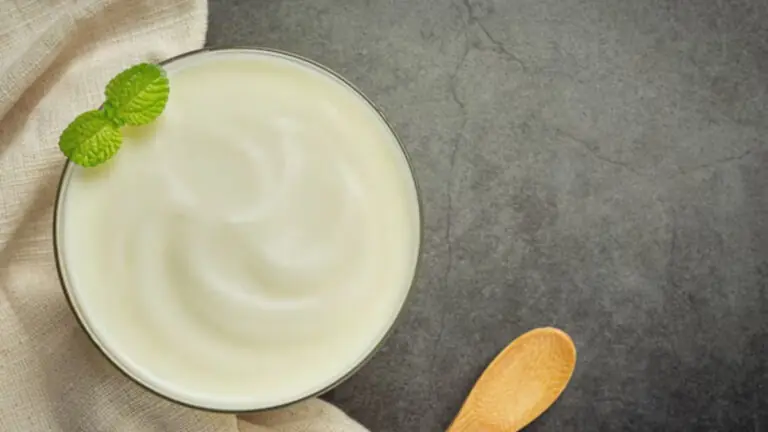
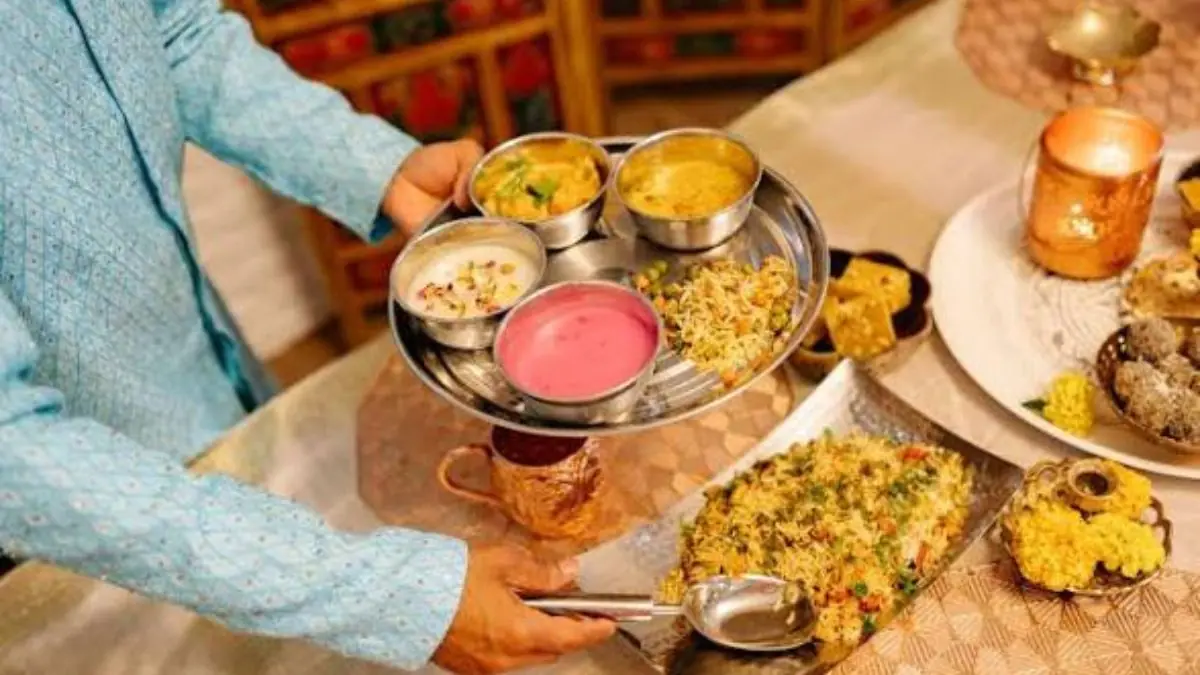
Before any recipe, picture your thali in four parts. Half is non-starchy vegetables: sabzi, salad, greens, lauki, tori, bhindi, cabbage. A quarter is protein, which could be dal, paneer, eggs, fish, chicken, sprouts or yoghurt. The last quarter is whole-grain carbohydrate, meaning one or two rotis or a small scoop of brown rice or millet. Note that you should just add a spoonful of ghee or oil, not a pool of it. Many people find that eating vegetables and protein first, and grains last, softens the sugar spike after a meal. It costs nothing to try for a week and see what your glucometer says.
Getting Your Breakfast Right
Since breakfast is the first meal of the day that sets the tone for the day’s glucose levels, it is the most important meal. So, skip the white bread, sugar-laden bowls of cereal, or just parathas. A balanced breakfast can be dal chillas. You can make a chilla by soaking and grating a dal of your choice. Then, fold in chopped onion, tomato, green chilli, paneer, and coriander. Cook on a non-stick pan with a teaspoon of oil and have it with a bowl of curd. Once you’re bored of chilla, you can try options like oats upma, ragi dosa, multigrain toast, or an omelette.

Pro tip: If you get hungry around 11, keep a few almonds and walnuts nearby, or a guava or apple. Whole fruit beats juice every time, because juice has lost its fibre. You can also have a salad bowl quickly chopped in an electric chopper for mid-meal cravings.
Fixing The Lunch Thali
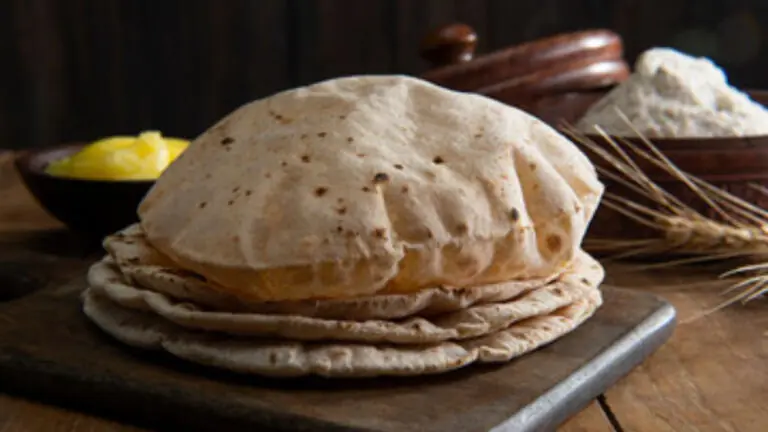
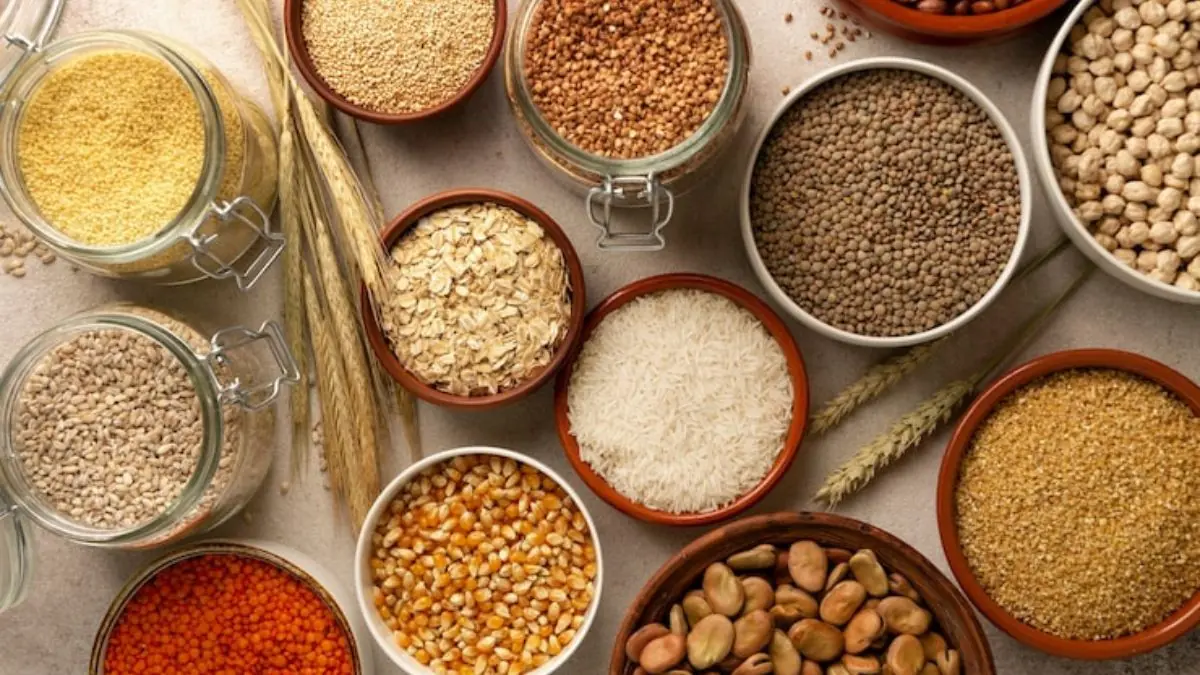
Lunch is where Indian cooking has a head start, since the thali is a balanced meal by design. Two phulkas made from whole-wheat atta make a good base. Mixing in some besan or ragi flour is better, and swapping one roti for jowar or bajra is better still. Add a bowl of dal (masoor, moong, toor or chana, tempered with cumin and garlic) and a big bowl of sabzi such as lauki with chana dal, bhindi with onion or palak paneer. Go easy on the potato in methi aloo. Eat a kachumber salad of cucumber, tomato, onion and radish first, and finish with a small bowl of curd or jeera chaas.
The Evening Slump

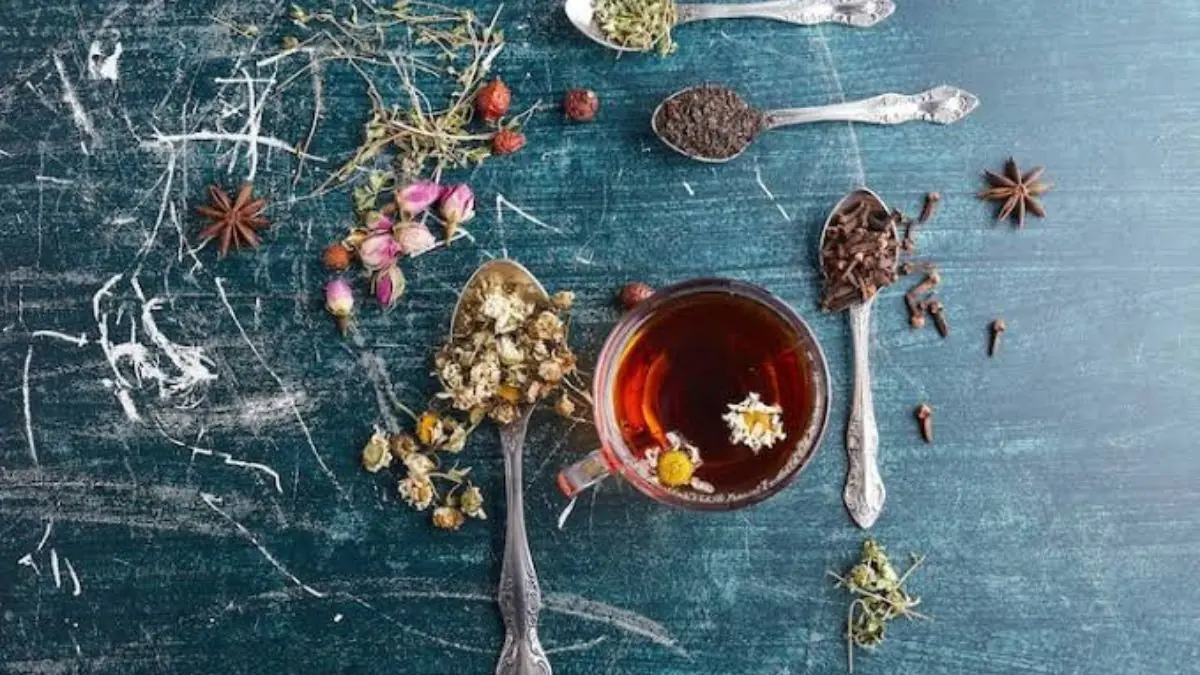
This is where many good days fall apart. The craving for something fried and sweet shows up like clockwork, so plan for it instead of fighting it. Roasted makhana with black pepper and chaat masala works well. So do roasted chana, a small bowl of sprouts, a glass of buttermilk, or green tea. Chai with cinnamon and ginger is fine too. A handful of peanuts or pumpkin seeds will hold you until dinner. Skip the biscuits and namkeen packets, including the “diet” ones that are still mostly refined flour.
Light And Early Dinner
Try to finish dinner two to three hours before bed, ideally by 8 PM. A heavy late meal sits badly on digestion and tends to push up overnight sugar.

Start with a clear vegetable or dal soup. Follow it with one or two multigrain or jowar rotis, or a small plate of moong dal khichdi made with millets. For protein, grilled fish, tandoori chicken, paneer bhurji or a tofu stir-fry all work. Add stir-fried greens like palak, cabbage thoran or beans poriyal, plus a bowl of cucumber raita. For a vegetarian winter dinner, palak dal with one bajra roti and a mixed vegetable sabzi is warm and filling. If you are hungry at bedtime, a glass of warm turmeric milk without sugar or a few soaked almonds is plenty.
Pantry Helpers
Methi seeds and leaves bring fibre. Cinnamon adds a hint of sweetness without sugar. Turmeric already goes into most dals and sabzis. Karela and lauki are low-carb vegetables that Indian kitchens have used for generations; amla is a good source of vitamin C, and curd and buttermilk are easy on the gut.
None of these is a cure. They support a good plate, and they do not replace medication or your doctor’s advice.
To Sum Up
Most of what you need is already in your kitchen: dal, sabzi, roti, curd. You do not have to overhaul everything at once. Pick one meal, maybe tomorrow’s breakfast, and get it right for a week. A change you keep doing beats a dramatic one you drop by Friday.
Disclaimer: This article is for general awareness and does not replace personal medical advice. If you have diabetes, especially if you use insulin or other medication, talk to your doctor or a registered dietitian before changing your diet.