Bhai Dooj Sweets And Thali Ideas: 5 Traditional Sweets From Across India
Bhai Dooj Sweets And Thali Ideas: 5 Traditional Sweets From Across India
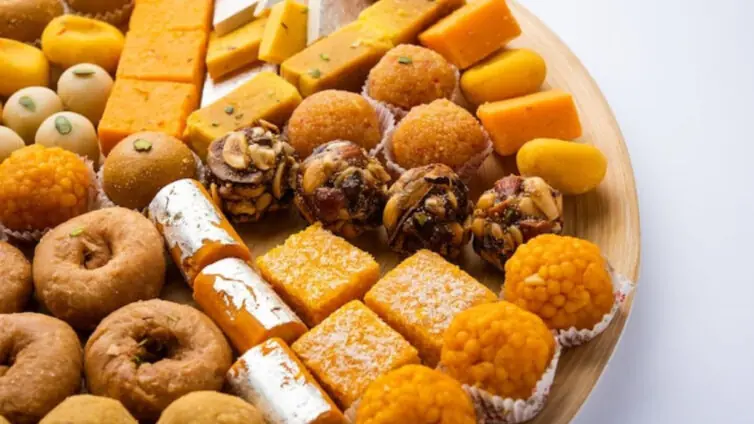


Bhai Dooj celebrates the bond between siblings through traditional rituals, festive thalis and special treats. This article explores five regional sweets associated with the occasion, looking at their origins, cultural significance and how to prepare them at home using everyday kitchen appliances.
Celebrated on the second day after Diwali, Bhai Dooj, known variously as Bhai Phota in Bengal, Bhau Beej in Maharashtra, and Bhai Tika in Nepal, marks a cherished occasion where sisters pray for their brothers’ longevity, health, and prosperity. The centrepiece of the celebration is the ritual thali, meticulously arranged with red vermilion (tikka), unhusked rice grains, a decorative brass lamp, fragrant flowers, and an array of homemade sweets. Feeding a sweet morsel to one’s sibling is not merely a gesture of affection, but an auspicious ritual sealing vows of lifelong protection and care. Across India’s diverse regions, specific traditional sweets are crafted for this occasion, each embodying regional harvests, distinct dairy reductions, and historic sugar craft.
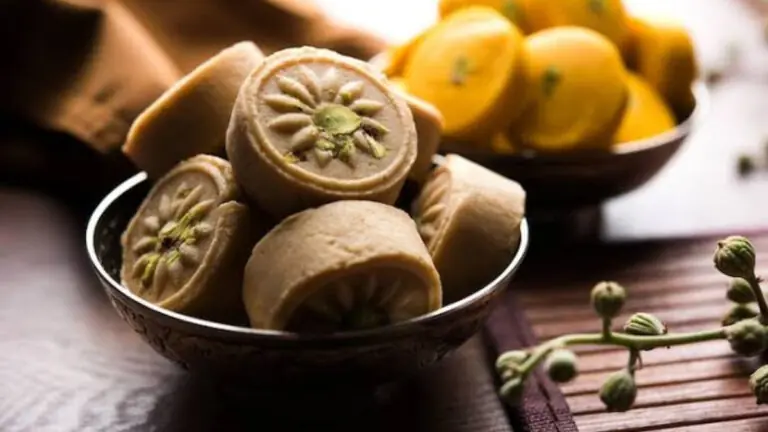
1. Bengali Sandesh: The Delicate Art Of Fresh Chenna
In West Bengal, Bhai Phota is incomplete without fresh, melt-in-the-mouth Sandesh. Made by curdling full-fat cow’s milk into soft cottage cheese (chenna), this sweet requires immediate, delicate handling. The chenna is kneaded thoroughly until completely smooth, then cooked over very low heat with sugar or date palm jaggery (nolen gur) until it barely holds together before being pressed into wooden moulds. The key to exceptional Sandesh lies in achieving an ultra-smooth curd paste before cooking, ensuring no grainy texture remains. Grinding and smoothing the fresh chenna to a silky paste is effortless when using a Mixer Grinder, whose precision blades emulsify the curds evenly, creating a velvety base ready for gentle warming.
2. Maharashtrian Basundi: Slow-Reduced Aromatic Milk

During Bhau Beej in Maharashtra, families celebrate with Basundi, a rich, reduced milk dessert infused with cardamom, saffron, and slivers of toasted nuts. Unlike Western puddings that rely on starch thickeners, authentic Basundi achieves its luxurious consistency solely through the slow evaporation of whole milk. As the liquid simmers, cream layers form on the surface and must be continuously stirred back into the pot to build body and deep caramelised notes. Preparing this delicate reduction without scorching the base requires constant, gentle heat. Cooking Basundi on an Induction Cooktop provides exact wattage control, allowing home cooks to maintain a steady, low simmer that reduces the milk safely while preserving its clean, ivory colour.
3. North Indian Mathura Peda: Caramelised Khoya Delicacy
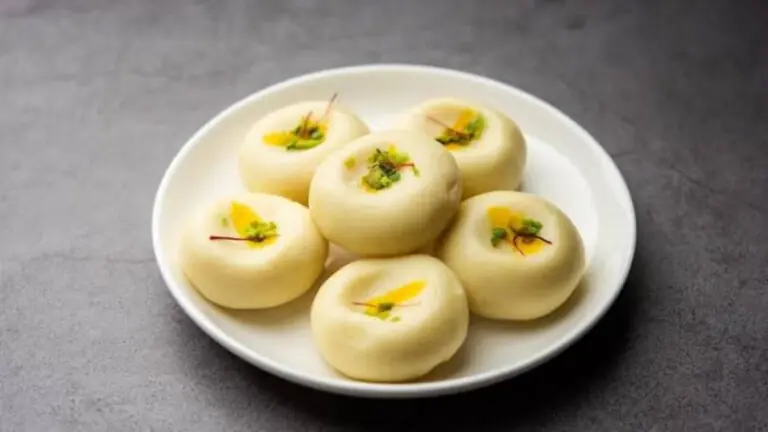
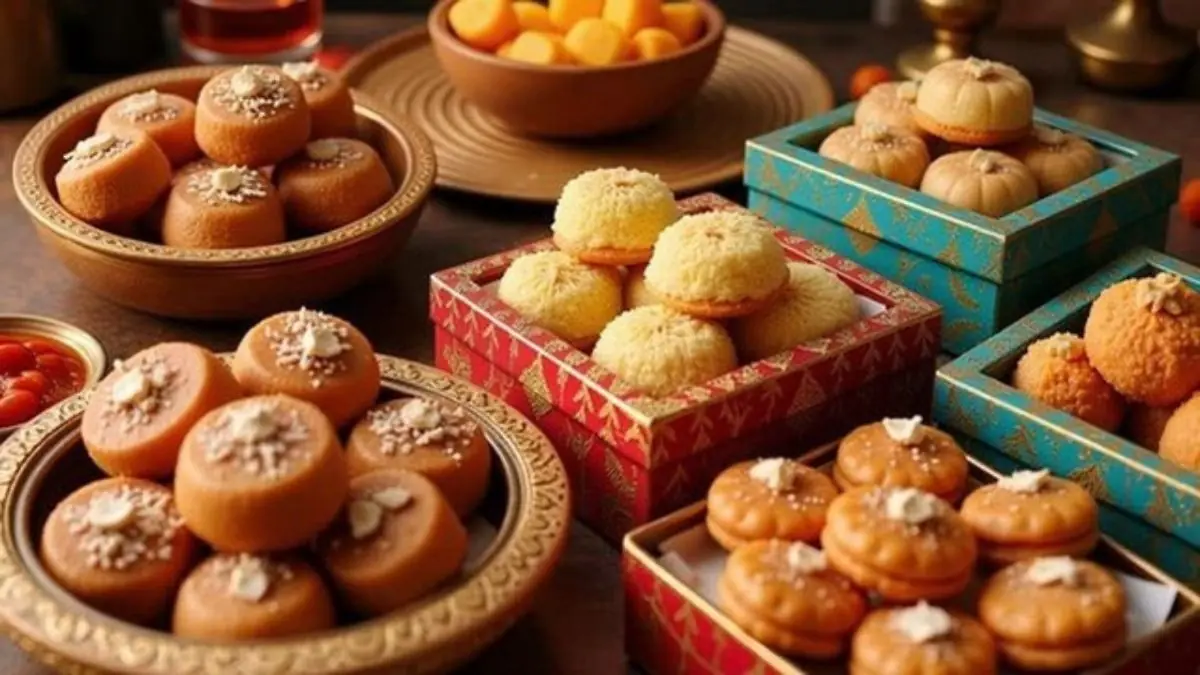
Across Northern India, particularly in Uttar Pradesh and Punjab, Pedas take pride of place on the Bhai Dooj thali. The Mathura Peda is famous for its distinct dark amber hue and deep, caramelised flavour, achieved by repeatedly roasting unsweetened milk solids (khoya) with small splashes of milk until the sugars brown deeply. The mixture is then cooled, combined with coarse tagar sugar, and shaped by hand into rustic rounds. Roasting khoya to a rich bronze without burning requires even thermal distribution. Using a Hard Anodised Kadai ensures heat radiates uniformly across the bottom and curved walls, allowing the milk solids to caramelise perfectly while preventing hotspot scorching.
4. South Indian Obbattu / Holige: Sweet Stuffed Lentil Flatbreads
In Karnataka, Andhra Pradesh, and Tamil Nadu, festive thalis feature Obbattu (also known as Holige or Puran Poli), a thin, golden flatbread stuffed with a sweet filling of yellow pigeon peas (toor dal) or chana dal cooked with jaggery, cardamom, and nutmeg. The outer dough is stretched paper-thin around the sweet lentil core before being roasted on a hot griddle with liberal drippings of pure ghee. Cooking the chana dal filling until completely tender before mashing is the critical first step. Preparing the lentil base in a Prestige Svachh Pressure Cooker cuts down cooking time significantly, while its spillage-control lid ensures that starchy steam residue never leaks over your kitchen counter. Once cooked, the lentils can be reduced with jaggery in a heavy-bottomed Tri-Ply Pan to form a smooth, non-stick filling. To complete the dish, roasting the stuffed flatbreads on a Prestige Non-Stick Tawa guarantees an even golden crust and a light, non-greasy finish using minimal ghee.
5. Rajasthani Ghevar: The Intricate Honeycomb Disc
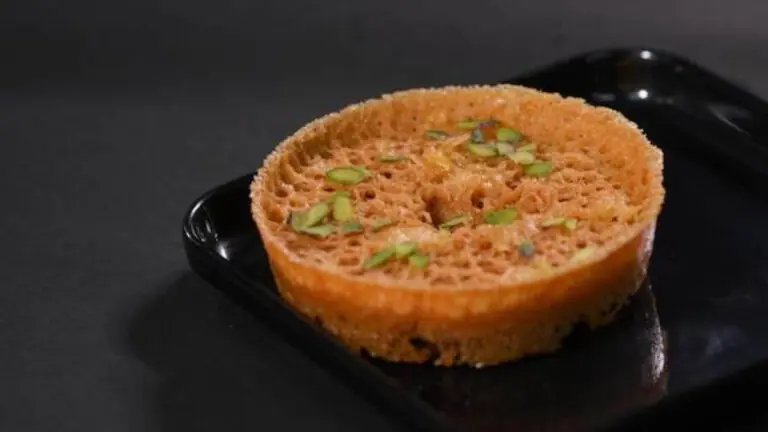
In Rajasthan and Northern festive spreads, Ghevar represents the pinnacle of traditional sweet architecture. This disc-shaped sweet features a porous, honeycomb structure crafted by dropping a batter of flour, ghee, and cold water into searingly hot ghee, causing the moisture to flash-evaporate and form lacy network layers. Once fried to a crispy golden brown, the disc is soaked in fragrant sugar syrup and topped with rabri, silver leaf, and pistachios. Roasting nuts or reheating rich rabri to top the crispy discs is easily managed in an Electric Kettle for quick hot water baths or on an OTG (Oven Toaster Griller) on low warming mode to keep the syrup fluid and the fried discs perfectly warm, ensuring your regional thali combines striking visual elegance with rich, authentic textures.
Structuring The Perfect Bhai Dooj Thali
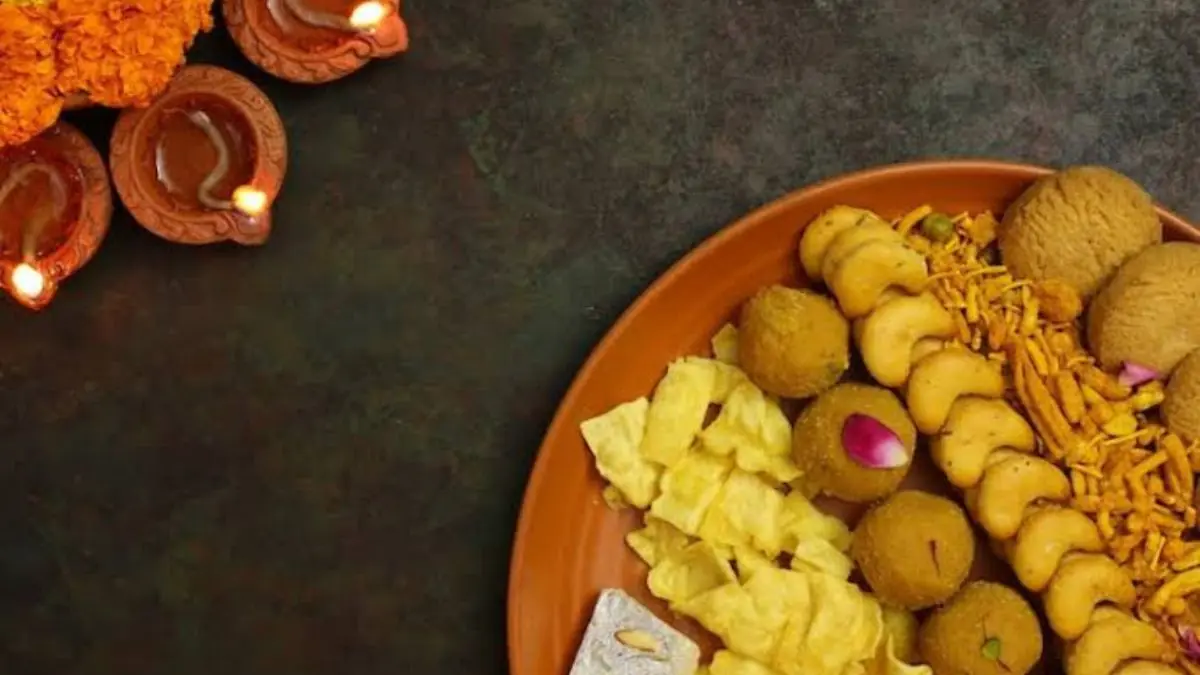
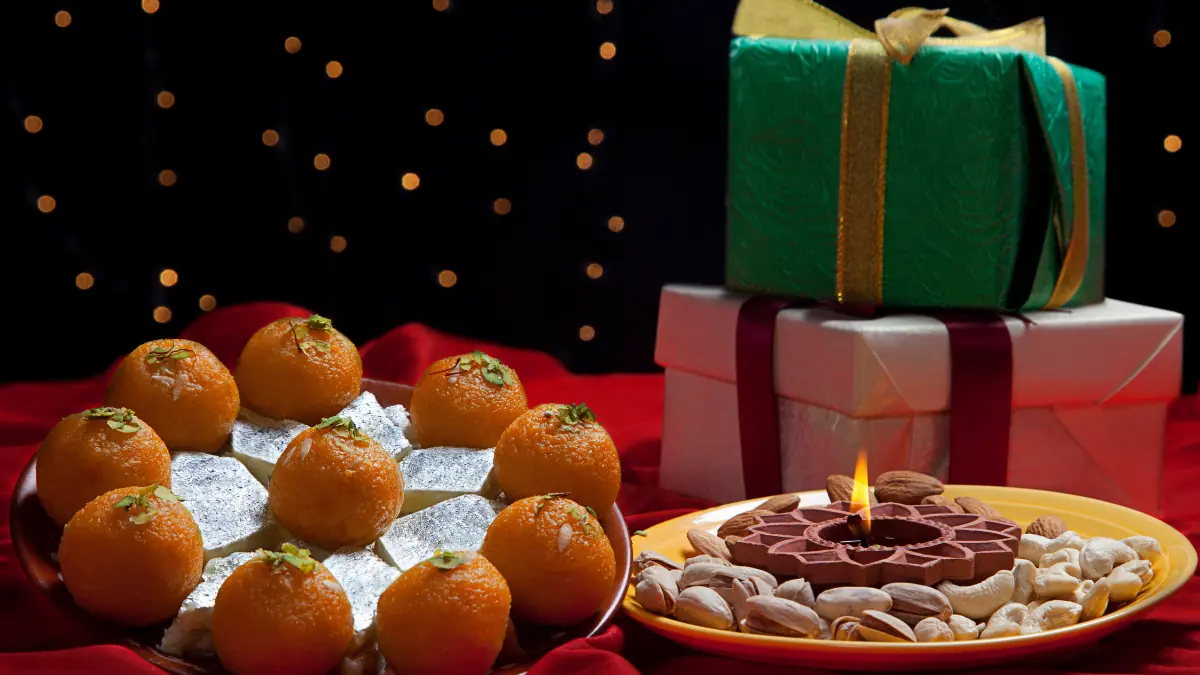
Creating a memorable Bhai Dooj thali involves balancing colours, textures, and symbolic elements into a harmonious presentation. Begin by placing the tikka powder and rice grains in small silver or brass katoris at the top of the thali, alongside a lighted ghee lamp. Arrange your chosen regional sweets neatly around the perimeter, pairing rich, moist desserts like Basundi or Sandesh in small bowls, while dry confections like Pedas or folded Obbattu sit directly on the thali surface. Adding fresh flower petals and a few roasted dry fruits completes the aesthetic, creating a feast for the eyes that honours age-old sibling traditions with elegance and care.