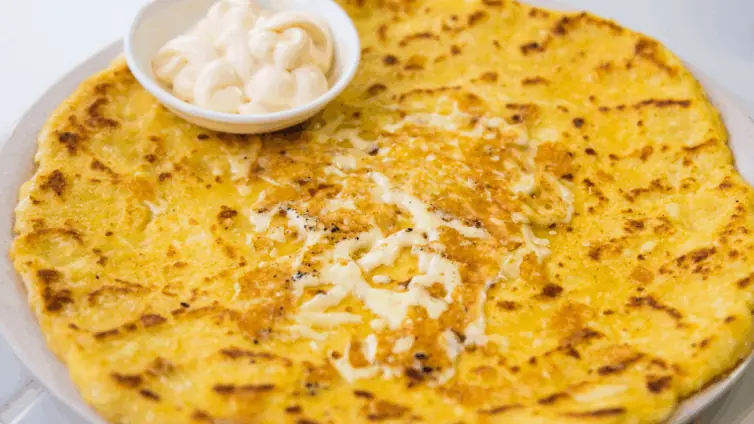
Thepla is a Gujarati speciality loved for long shelf life and portability. The Jain version of it that we are going to make proves that you don’t need garlic or onion to make it deeply flavourful. Authentic thepla recipes often use garlic paste for extra flavour, but here, a balanced mix of carom seeds, red chilli powder, turmeric and coriander powder brings plenty of spice and depth. Also, a generous handful of fresh fenugreek leaves adds a natural, slightly bitter freshness.
This recipe follows Jain dietary guidelines strictly: no onion, no garlic, and no root vegetables of any kind. It’s a great example of how Jain cooking, often seen as restrictive, can still create bold and satisfying flavours by relying on thoughtful spicing instead of aromatics.
Theplas are endlessly versatile. You can eat them plain, roll them around a vegetable filling, or simply pack them with a dollop of thick curd and a wedge of lime. They can stay fresh without refrigeration for several hours, ma
Thepla is a Gujarati speciality loved for long shelf life and portability. The Jain version of it that we are going to make proves that you don’t need garlic or onion to make it deeply flavourful. Authentic thepla recipes often use garlic paste for extra flavour, but here, a balanced mix of carom seeds, red chilli powder, turmeric and coriander powder brings plenty of spice and depth. Also, a generous handful of fresh fenugreek leaves adds a natural, slightly bitter freshness.
This recipe follows Jain dietary guidelines strictly: no onion, no garlic, and no root vegetables of any kind. It’s a great example of how Jain cooking, often seen as restrictive, can still create bold and satisfying flavours by relying on thoughtful spicing instead of aromatics.
Theplas are endlessly versatile. You can eat them plain, roll them around a vegetable filling, or simply pack them with a dollop of thick curd and a wedge of lime. They can stay fresh without refrigeration for several hours, making them a go-to tiffin option in Gujarati households. And now, thanks to this Jain-friendly version, in Jain households too, without compromise.
What makes this thepla ideal for tiffins is adding yoghurt and oil directly to the dough. The yoghurt keeps the theplas soft as they cool, while the oil prevents them from becoming dry or cracking when folded. A small amount of besan is also kneaded in, which adds a subtle nutty flavour and helps bind the dough, especially useful when fresh methi isn’t in season, and you’re substituting with kasuri methi.