What To Eat During Sawan Fasting: Complete Vrat Food Guide
What To Eat During Sawan Fasting: Complete Vrat Food Guide
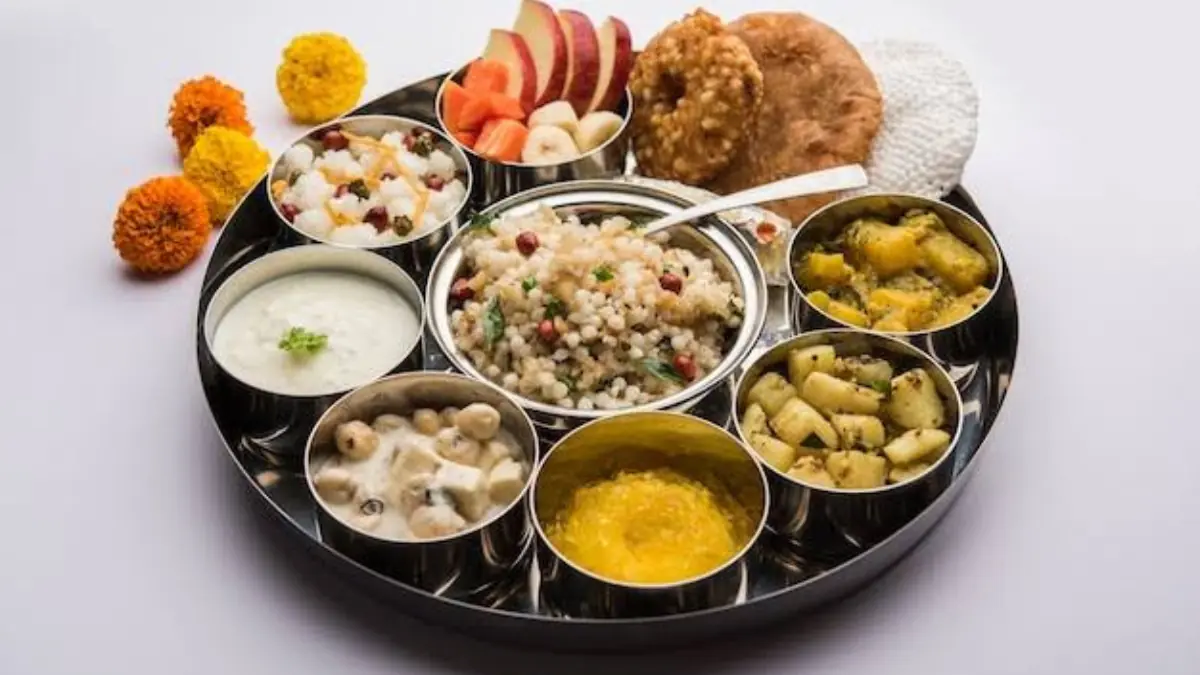


This complete Vrat food guide explores traditional and wholesome ingredients to consume during Sawan fasting. It outlines essential dietary guidelines, allowed grains and spices, hydration strategies, and balanced meal planning to keep your energy high throughout the sacred month.
The holy month of Sawan (Shravan) holds immense spiritual significance in Hindu culture, marked by devotion, fasting, and mindful living. Observing a Sawan Vrat is not only a spiritual practice but also a traditional way to cleanse and reset the digestive system during the monsoon season. During this period, dietary choices shift away from heavy, processed foods toward light, Sattvic, and easily digestible ingredients. Navigating Sawan fasting requires a clear understanding of which ingredients are permitted and how to combine them to maintain sustained energy levels throughout the day. This guide covers the essential foods, allowable spices, and balanced meal ideas to ensure your fasting journey remains both spiritually fulfilling and physically nourishing.
Permitted Grains And Flours For Sawan Vrat

Regular cereal grains such as wheat, rice, semolina, and refined flour are strictly avoided during Sawan fasting. Instead, fast-friendly pseudo-grains and seeds provide complex carbohydrates and sustained energy.
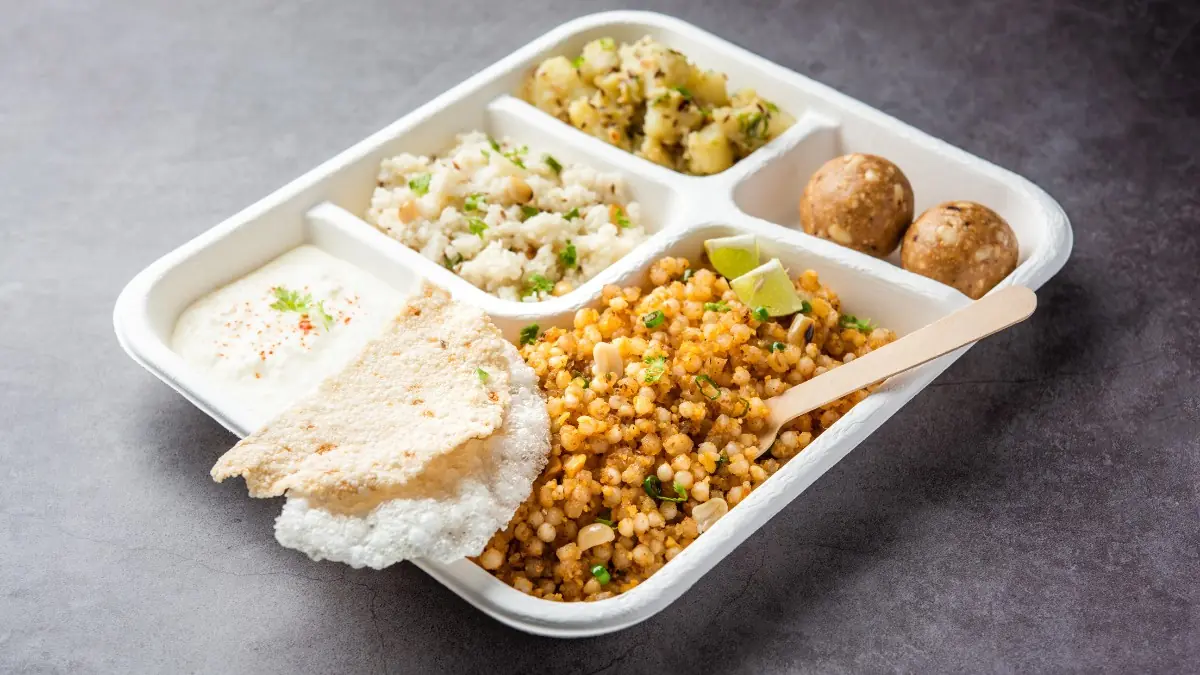
- Sabudana (Tapioca Pearls): A quintessential fasting staple, sabudana is rich in carbohydrates and easy on the stomach. It can be made into light khichdi, crispy tikki, or creamy kheer.
- Kuttu Ka Atta (Buckwheat Flour): Naturally gluten-free and packed with fibre and minerals, buckwheat flour is ideal for making warm puri, parathas, or pakoras.
- Singhāra Ka Atta (Water Chestnut Flour): Light and rich in antioxidants, water chestnut flour is commonly used to make flatbreads, halwa, or savoury crepes.
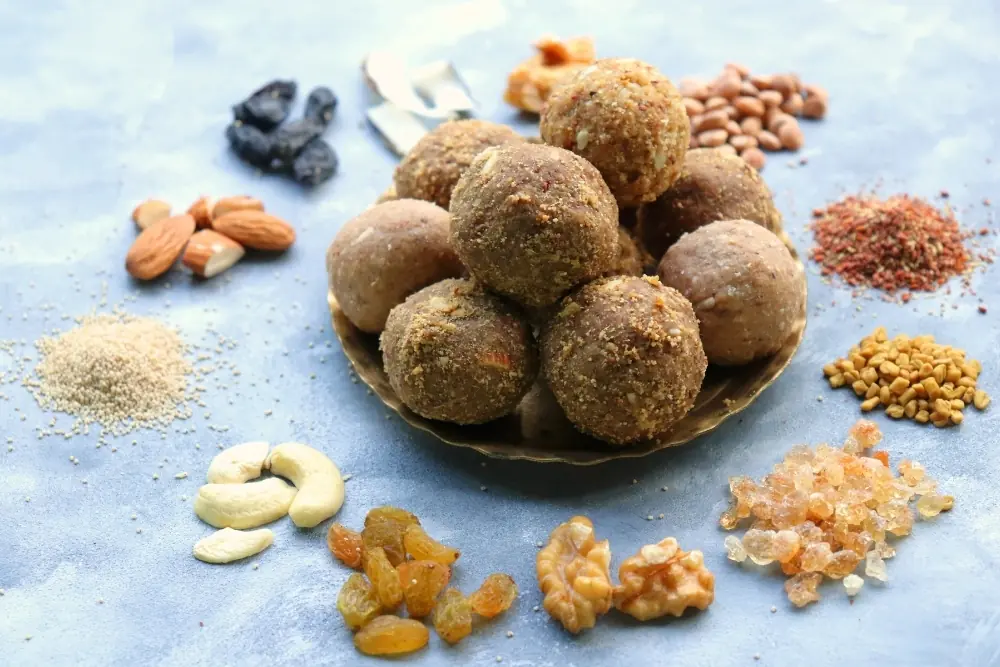
- Rajgira (Amaranth Flour & Seeds): Exceptionally rich in protein and calcium, puffed amaranth can be consumed with milk, while amaranth flour makes soft rotis and nutritious ladoos.
- Samak Ke Chawal (Barnyard Millet): A perfect replacement for regular rice, barnyard millet cooks quickly and is used to make digestible khichdi, pulao, or kheer.
Vegetables Allowed During The Fast
Monsoon digestion can be delicate, so choosing light, water-rich, and root vegetables is central to a Sattvic fasting diet.

- Potatoes (Aloo): Highly versatile and energy-dense, potatoes form the base of many Vrat curries, tikkis, and stir-fries.
- Sweet Potatoes (Shakarkandi): High in fibre and complex carbohydrates, boiled sweet potatoes make a quick, sweet, and tangy chaat.
- Arbi (Colocasia Root): A delicious root vegetable that can be boiled, seasoned, and pan-fried into a crispy side dish.
- Bottle Gourd (Lauki): Water-rich and extremely easy to digest, lauki is perfect for mild curries, soups, or halwa.
- Raw Banana (Kacha Kela): A great source of resistant starch, raw bananas can be boiled and mashed to make cutlets or dry sabzi.
- Pumpkin (Kaddu): Rich in vitamins and natural sweetness, pumpkin makes a soothing, mild curry when cooked with cumin and ghee.
Dairy Products And Healthy Fats
Dairy plays a vital role during Sawan fasting, supplying high-quality protein, essential fats, and calcium when grains are restricted.
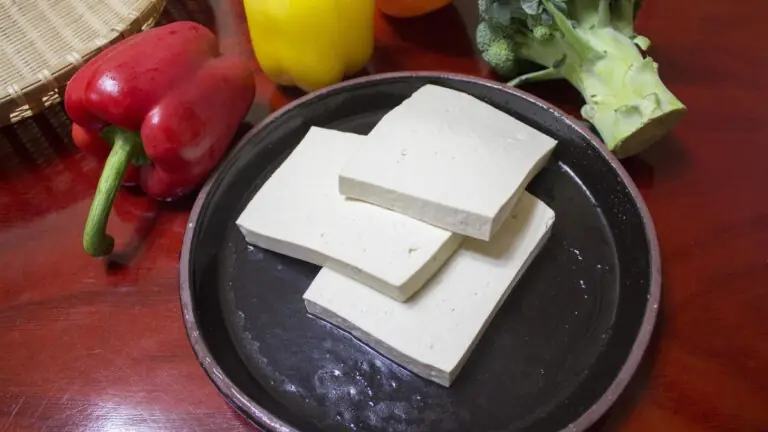
- Milk and Yoghurt (Dahi): Consuming fresh yoghurt or buttermilk (chaas) keeps the digestive system cool and balanced. Milk serves as the base for soothing drinks and Vrat desserts.
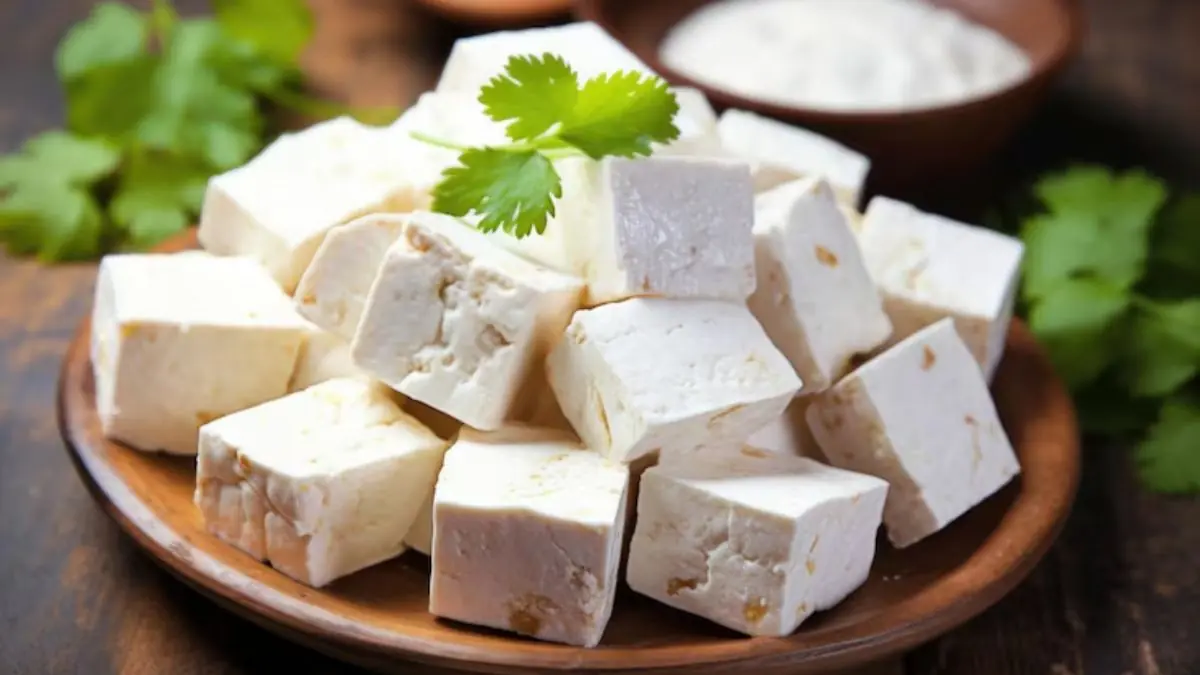
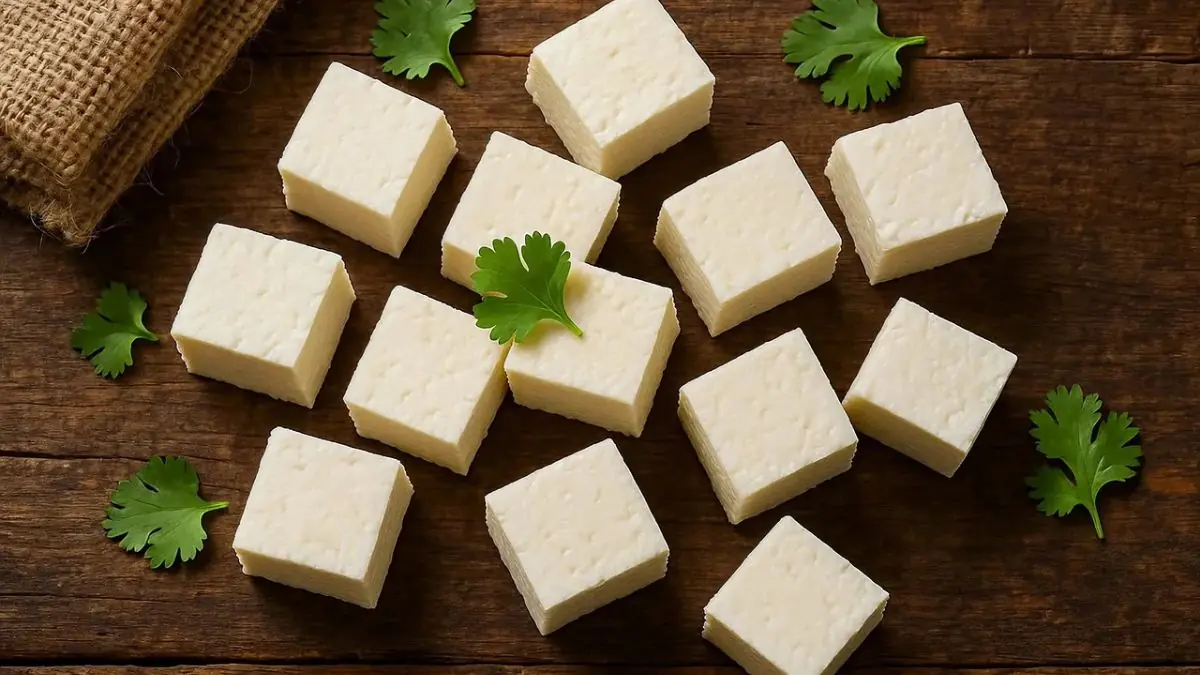
- Paneer (Cottage Cheese): A brilliant source of protein for fasts, paneer can be lightly sautéed with cumin or cooked into a mild tomato-based gravy.
- Desi Ghee: Ghee is preferred over seed oils for cooking Vrat meals due to its pure, Sattvic qualities and superior heat tolerance.
- Rock Salt (Sendha Namak): Regular table salt is replaced entirely with unrefined rock salt, which helps regulate hydration and electrolyte balance.
Essential Vrat Spices And Seasonings
The spice cabinet is simplified during fasting to keep meals mild, non-inflammatory, and easy on the stomach.
- Permitted Spices: Cumin seeds (jeera), black pepper (kali mirch), green cardamom (elaichi), cloves (laung), cinnamon (dalchini), and dry mango powder (amchur).
- Fresh Aromatics: Fresh ginger and green chillies are allowed for warmth and flavour, along with fresh coriander leaves for garnishing.
- Spices to Avoid: Red chilli powder, turmeric (haldi), garam masala, coriander powder (dhaniya powder), mustard seeds (rai), asafoetida (hing), garlic, and onions are strictly prohibited.
Fruits, Nuts, And Hydration

Staying hydrated and maintaining micro-nutrient intake is essential during a day of fasting, especially amidst monsoon humidity.
- Fresh Seasonal Fruits: Apples, pomegranates, bananas, papaya, pears, and melon provide natural sugars, hydration, and vitamins.
- Nuts and Dried Fruits: Almonds, walnuts, cashews, raisins, and foxnuts (makhana) offer quick energy, healthy fats, and protein. Dry-roasted makhana sprinkled with sendha namak and black pepper makes a perfect crunchy snack.
- Hydrating Beverages: Coconut water, fresh fruit juices, mint-lemonade (nimbu pani), and herbal teas prevent fatigue and keep digestion smooth.
Sample Balanced Sawan Vrat Meal Plan
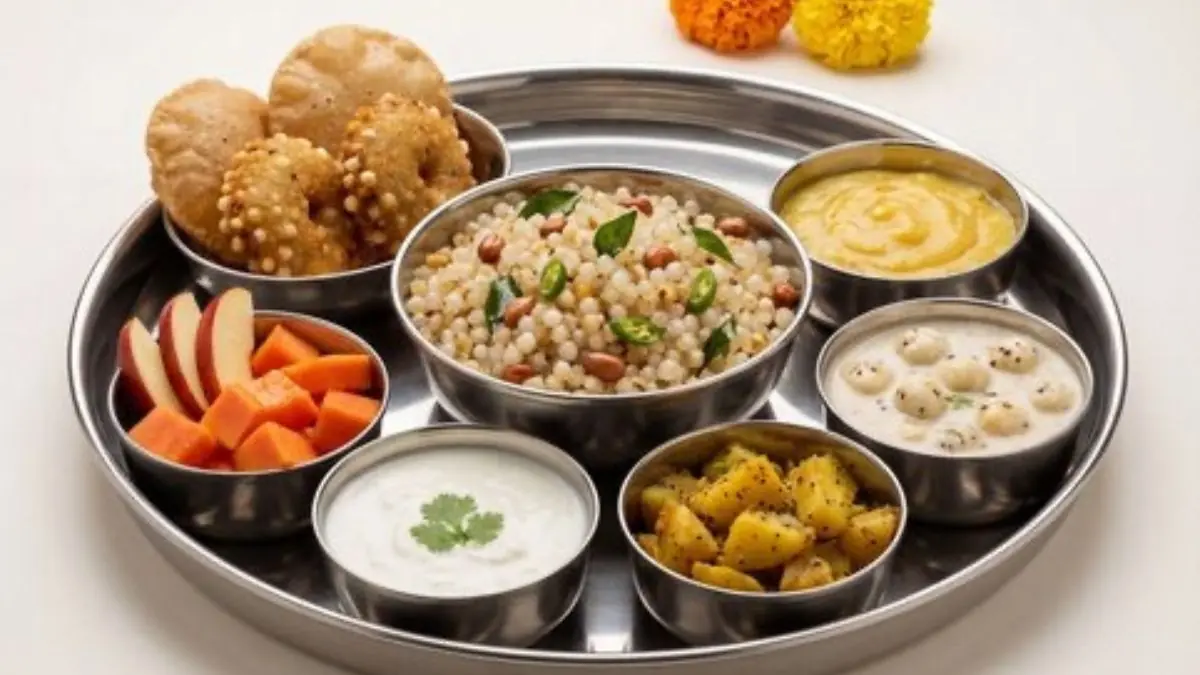
To keep your energy steady throughout the day, structure your meals around a combination of complex carbs, protein, and hydration.
- Morning (Breakfast): A bowl of sabudana kheer or a cup of warm milk with soaked almonds and walnuts.
- Mid-Morning: Fresh coconut water or a bowl of seasonal fruit salad.
- Lunch: Kuttu or Singhare ki puri served with lauki ki sabzi or a bowl of samak ke chawal khichdi accompanied by fresh dahi.
- Evening Snack: A cup of herbal tea or warm milk with dry-roasted makhana or sweet potato chaat.
- Dinner: A light meal of rajgira paratha with aloo-jeera cooked in ghee, or a bowl of pumpkin soup seasoned with black pepper and sendha namak.
Observing Sawan Vrat is an opportunity to slow down, practice mindfulness, and nourish your body with wholesome, Sattvic food. By focusing on balanced, home-cooked meals prepared with permitted ingredients, you can honour your spiritual traditions while staying energised and healthy throughout the monsoon.