Konkani Food Guide: 5 Traditional Dishes That Define Coastal Cuisine
Konkani Food Guide: 5 Traditional Dishes That Define Coastal Cuisine
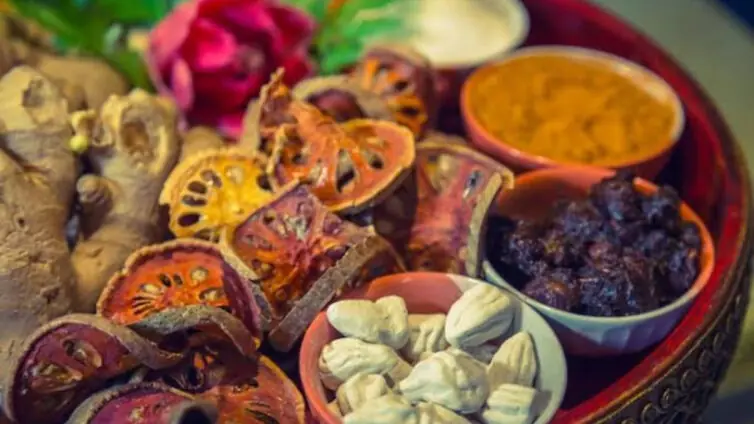


The culinary landscape of the Konkan coast is shaped entirely by its geography, stretching along a narrow strip of land rich with coconut groves, paddy fields, and the Arabian Sea. This guide highlights five definitive dishes that showcase the balance of sour kokum, fresh coconut, and sharp local spices characteristic of traditional Konkani households.
The food of the Konkan region is a direct reflection of its lush, tropical environment, where the daily diet relies completely on what can be harvested from the sea and the surrounding land. Rice and coconut form the irreplaceable canvas for almost every meal, while local souring agents like kokum and tamarind provide a sharp contrast to the rich, creamy elements of the cuisine. Unlike the heavy spice blends found further inland, coastal cooking relies on fresh, minimally processed ingredients that allow the natural flavours of seafood and seasonal vegetables to stand out. The traditional kitchen treats these ingredients with a deep understanding of balance, combining fiery local chillies with cooling coconut milk to create dishes that are perfectly suited to the humid, coastal climate. Exploring these traditional preparations reveals a culinary style that is both humble and remarkably complex, passed down through generations without the need for modern shortcuts or artificial enhancements.
Sol Kadhi And The Cooling Power Of Kokum

No authentic Konkani meal is considered complete without a glass of Sol Kadhi, a pale pink liquid that serves as both a refreshing beverage and a highly effective digestive aid. The foundation of this drink relies on the dried rind of the kokum fruit, which is soaked in warm water to extract its deep sourness and vibrant pink hue. This tart extract is then blended thoroughly with fresh, hand-squeezed coconut milk, which tempers the sharp acidity with its natural sweetness. A simple paste of garlic and green chillies is introduced to provide a subtle, warming kick that clears the palate. The drink is typically finished with a handful of fresh coriander and served at room temperature or slightly chilled alongside a heavy lunch of rice and fried fish. It is a brilliant example of how coastal cooking uses functional ingredients to balance the body against the intense summer heat.
Teppal Fish Curry And Fresh Ocean Catch

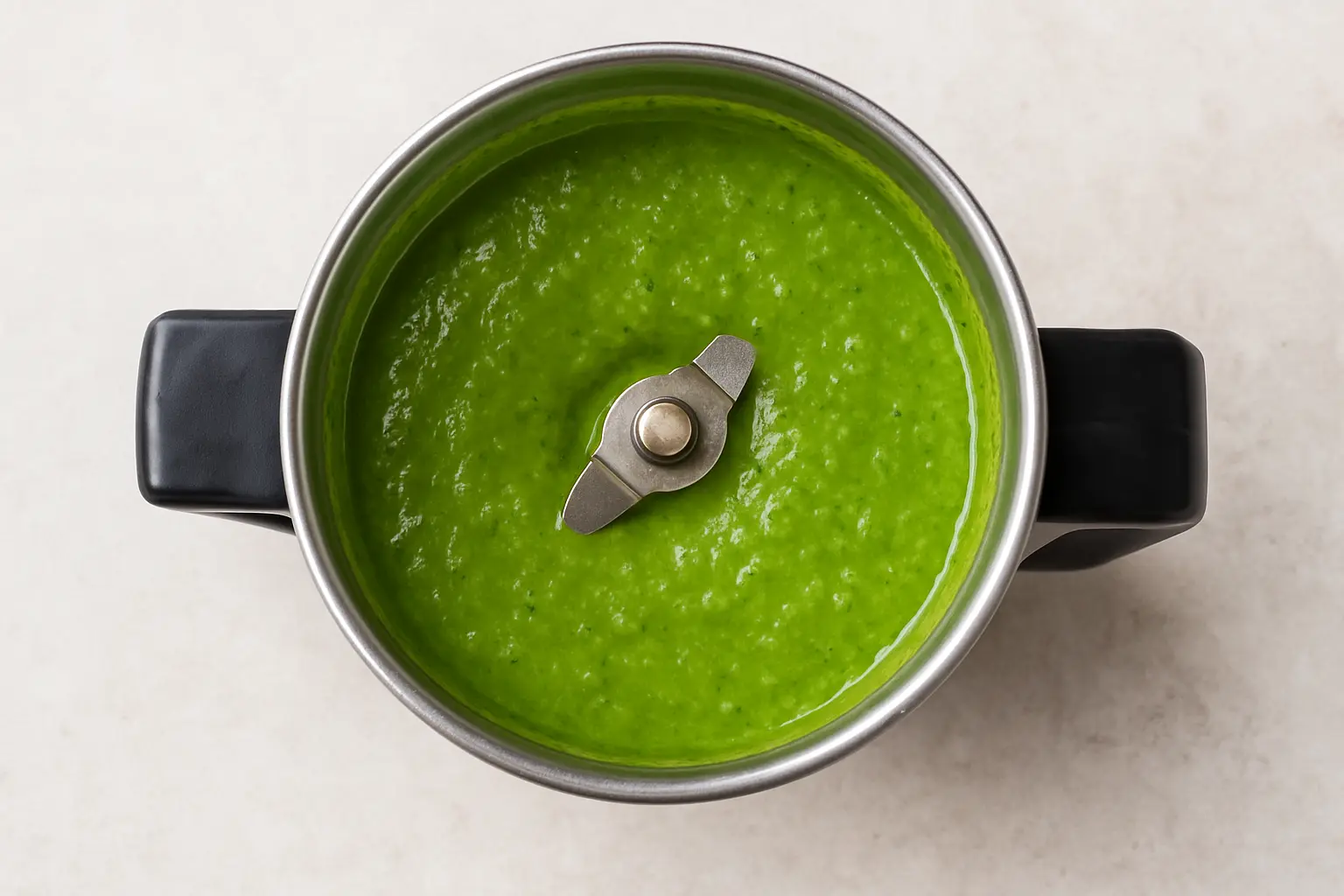
The daily catch from the Arabian Sea dictates the rhythm of the coastal kitchen, and a classic fish curry is the true centerpiece of the regional diet. What sets the Konkani version apart from other coastal curries is the specific use of teppal, a green, aromatic berry related to the Sichuan pepper that grows wild along the coast. The curry base is built from a smooth, vibrant orange paste made by grinding together fresh grated coconut, dried red chillies, coriander seeds, and turmeric in a mixer grinder. This mixture is simmered gently with fresh fish like mackerel or pomfret, allowing the seafood to cook through without losing its delicate texture. The teppal berries are lightly bruised and dropped into the bubbling gravy towards the end of the cooking process, releasing a strong, woody aroma that cuts through the natural oiliness of the fish. This dish is strictly enjoyed with hot, steaming boiled rice, allowing the clean and pungent flavours to dominate the plate.
Patholi And The Aroma Of Steamed Turmeric Leaves
During the monsoon season, when the coastal air is thick with humidity and festive celebrations begin, kitchens fill with the distinct, sweet fragrance of Patholi. These traditional sweet dumplings are made by spreading a smooth, fluid batter of soaked rice flour onto fresh, vibrant green turmeric leaves. A rich filling of freshly grated coconut mixed with dark jaggery and a hint of ground cardamom is placed along the centre of the leaf before it is folded over and sealed. The prepared leaves are then stacked carefully inside a heavy steamer and cooked until the rice paste sets into a soft, translucent wrapper. As the steam works its way through the parcel, the turmeric leaves release their essential oils, infusing the sweet rice dough with an intensely herbal and comforting aroma that cannot be replicated by any modern baking technique. It is a seasonal delicacy that celebrates the natural abundance of the monsoon harvest in its purest form.
Kaju Chi Usal And Seasonal Cashew Luxury
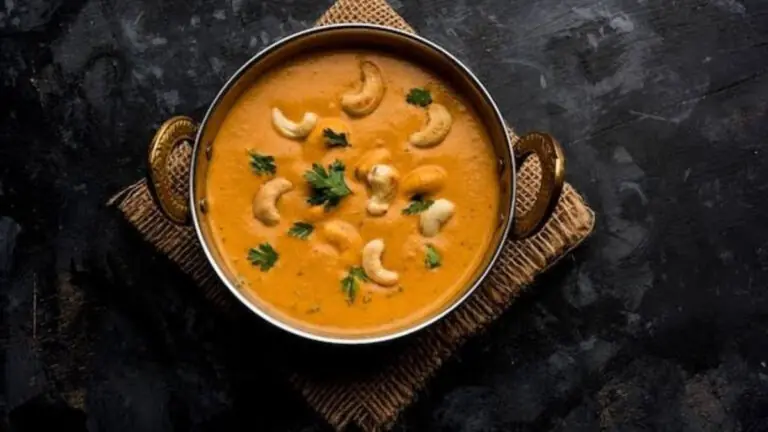
In the early months of summer, the cashew trees that line the coastal hillsides yield their fresh fruit, giving rise to a highly sought after festive dish known as Kaju Chi Usal. Unlike the dried cashew nuts available throughout the year, this traditional preparation uses tender, wet cashew nuts that are painstakingly peeled by hand while still soft. The base of the gravy is remarkably simple, utilising a light tempering of mustard seeds, curry leaves, and a mild local spice blend that allows the natural sweetness of the fresh nuts to take centre stage. A small amount of freshly scraped coconut is stirred in at the very end to bind the juices and provide a soft, yielding texture to the dish. This preparation avoids the heavy cream and onion pastes common in northern gravies, resulting in a clean, elegant dish that is traditionally served with hot flatbreads during special family gatherings.
Khatkhate And The Ultimate Vegetable Melange
Khatkhate is a hearty, wholesome vegetable stew that is deeply rooted in the festive traditions of the region, prepared without the use of onion or garlic. This dish relies on a massive variety of seasonal vegetables cooked together in a single pot, typically featuring drumsticks, pumpkin, sweet potatoes, and corn on the cob, along with a local tuber known as tirphal. The vegetables are simmered until tender along with a handful of soaked black-eyed peas or red chawli beans to provide protein and body to the stew. The thick gravy is created by adding a coarse paste of ground coconut and dried chillies, which brings all the diverse elements together into a cohesive meal. A final addition of bruised teppal berries gives the stew its signature coastal aroma, creating a complex flavour profile that balances the natural sweetness of the root vegetables with the sharp, medicinal heat of the wild spice. It is a comforting, one-pot celebration of local agriculture that nourishes the entire family.