Top 7 Fermented Foods And Their Benefits For Summer
Top 7 Fermented Foods And Their Benefits For Summer



Fermentation is one of the oldest methods that has been practised by many cultures over centuries in an endeavour to establish a trend and transform foods and drinks into more exploitable formats for future use. During the scorching summers, some foods and beverages, when fermented, can cool your body and keep your energy levels high.
Summers are unbearable when it comes to India, with temperatures crossing 50 °C in some places. Consuming food and drinks that naturally cool the body can easily make you feel at ease. One such way and technique of adding hydrating meals and beverages to your summer diet is fermentation. Applying the historical records of food preservation techniques, the method of fermentation can be dated back more than 10,000 years; the initial societies that used this approach comprised Mesopotamian, Chinese, and Egyptian societies. As civilisation was enhanced, a variety of cultures learned how to prepare their fermented foods by adopting different methods that were vital to meeting each society’s view of those lovely fermented foods.
Sour foods belong to the category of food products that have been attractive to human consumption since time immemorial, with examples such as Korean kimchi and Japanese miso. From turnips to cucumbers, sauerkraut to kimchi, and yoghurt to miso, these kinds of foods turn into something not only safe to eat but also capable of enhancing the nutrients that they contain. During the summer, the benefits of fermented foods are so impactful that one should incorporate them into their diet plan. These foods serve many roles in the body and are beneficial to general health since they can soothe the gut, strengthen the immune system and increase the richness of nutrient intake.
Anishi
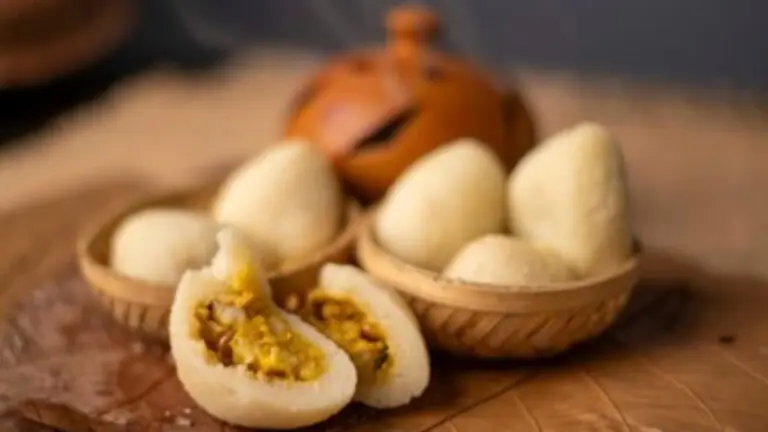
Anishi is a fermented dish from Nagaland that is less well-known but just as delicious. Anishi, whose main ingredient is derived from the leaves of the colocasia plant, is unique because of its fermenting technique. In order to prepare it, the leaves of Colocasia are packed in gunny bags or wrapped in banana leaves and left for three to four days or until they turn yellow. After that, it is ground into pastes using a mixer grinder and turned into cakes. After that, these cakes are wrapped in banana leaves and left in the sun or beneath the hot ash by the fireplace until they are fully dried and solid. It can be stored for a long time and is used as a common condiment.
Lassi
Lassi is a classic Indian drink that can be sweet or savoury and is made from yoghurt or buttermilk. Although lassi is not fermented food in the same sense as some other foods on the list (such as sauerkraut or kimchi), it frequently contains cultured dairy, which may have some health benefits. Lashingsi can contain probiotics if it is made with yoghurt or buttermilk that has live, active cultures in it. Probiotics are good bacteria that support digestive health by having a positive effect on the gut microbiome. In hotter climates, especially, lassi can be a refreshing and hydrating drink when diluted with water. Lashing is sometimes eaten for its cooling qualities in Indian cuisine.
Dhokla
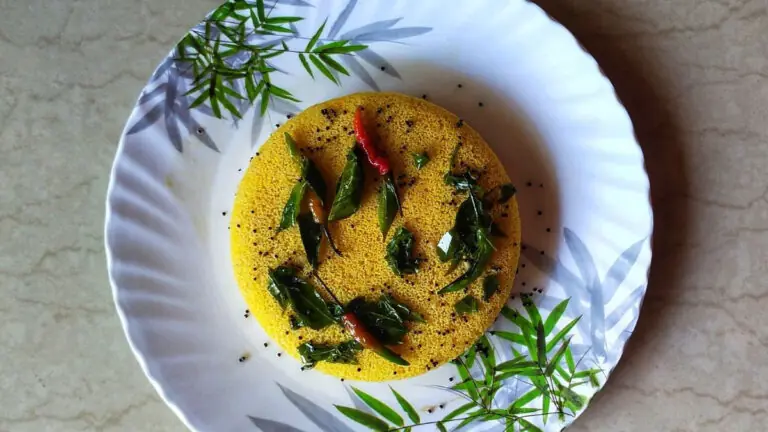
As per the Journal Of Food Science & Technology, natural bacteria and yeast found in the surroundings aid in the fermentation process of dhokla. Beneficial bacteria are created during fermentation, and these microorganisms may have probiotic properties. It is well known that probiotics improve gut health. The starches and proteins in the batter are partially broken down by fermentation, which facilitates easier digestion. This can be especially helpful for people who might have trouble breaking down some components of grains and legumes. Certain nutrients in the ingredients may become more bioavailable as a result of fermentation, such as minerals that become easier to absorb. This may improve the dish’s nutritional profile. The process of fermentation adds air to the batter, which gives dhokla its porous and spongy texture. The carbon dioxide created during fermentation is what causes this aeration.
Pazayha Sadam
Pazhaya sadam, in literal terms, means “old rice,” and is another traditional fermented rice preparation from Tamil Nadu. Leftover cooked rice is soaked in water overnight and eaten the next morning, often paired with raw onions, green chillies, and curd. This dish provides hydration and maintains energy levels. The fermentation produces microbes and increases vitamins B. Many nutritionists also recognise pazhaya sadam as a simple example of a probiotic-rich meal that helps in digestion, while keeping the body cool and the gut relaxed.
Mishti Doi
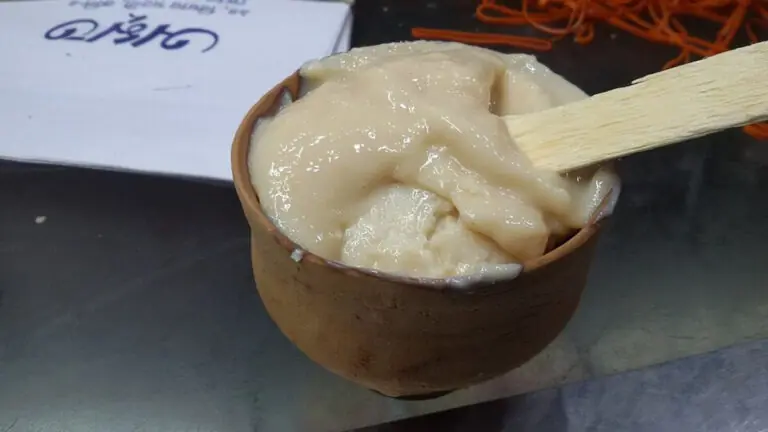
Mishti doi is an authentic Bengali delicacy that has captivated taste buds across the globe. It is the perfectly balanced dessert that one needs after a big, heavy meal. It is an important part of every festival and celebration in Bengali households. There is an intriguing story, though, which some dismiss as hearsay while others believe to be the truth. It is said that the dessert was first made by the famous and respected Ghosh family of Bogra, which is in present-day Bangladesh. Another version says it was the Bose family of Sherpur. But in both versions, the patron is said to be Altaf Ali Chowdhary, the Nawab of Bogra. It is made by slowly reducing sweetened milk in a milk pan until it thickens and develops a beautiful caramel colour. The milk is then mixed with a culture of curd or yoghurt, which ferments and adds a tangy note to the overall sweetness. This process allows the flavours to intensify, resulting in a dessert that is bursting with richness.
Koji Fermented Chocolate
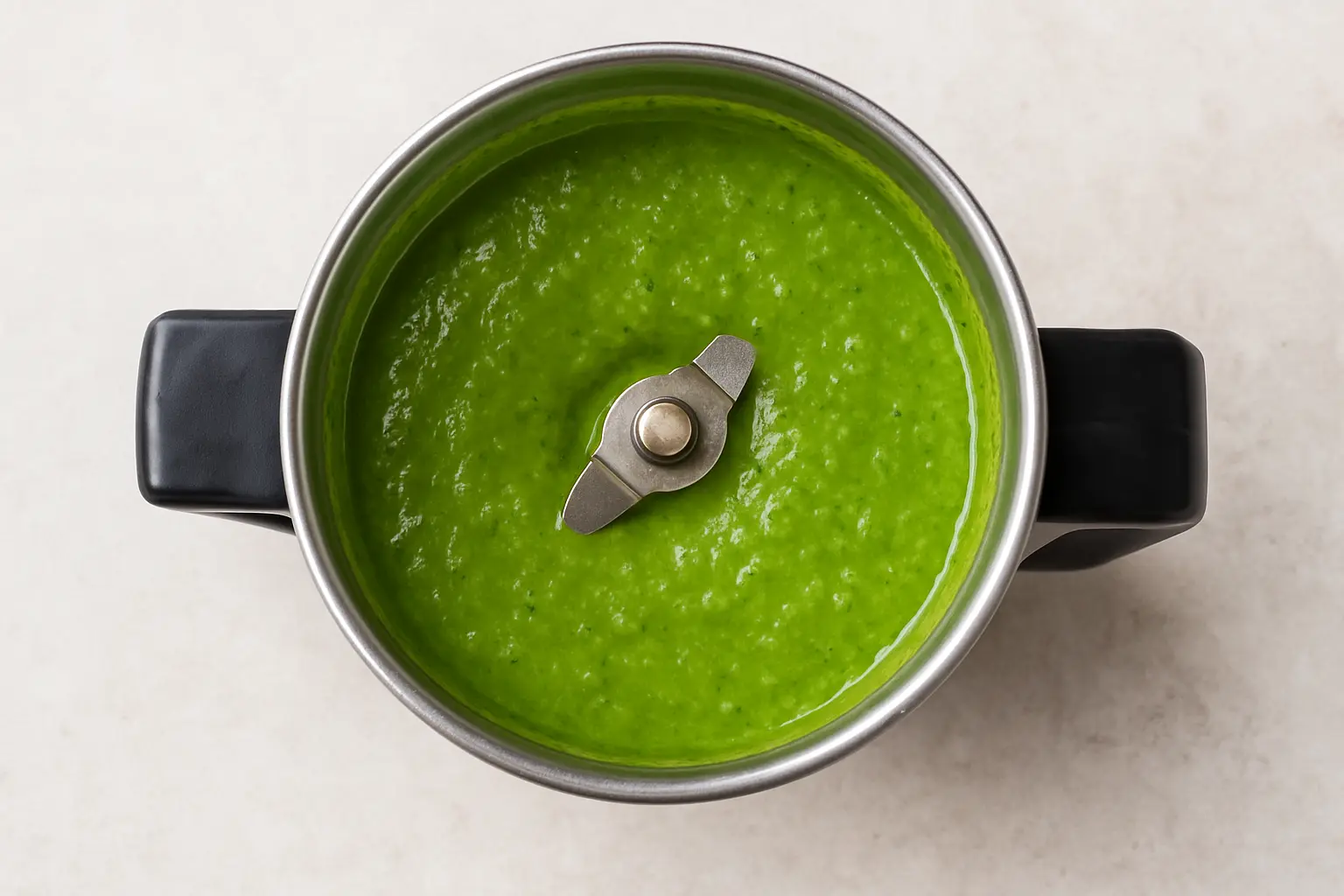
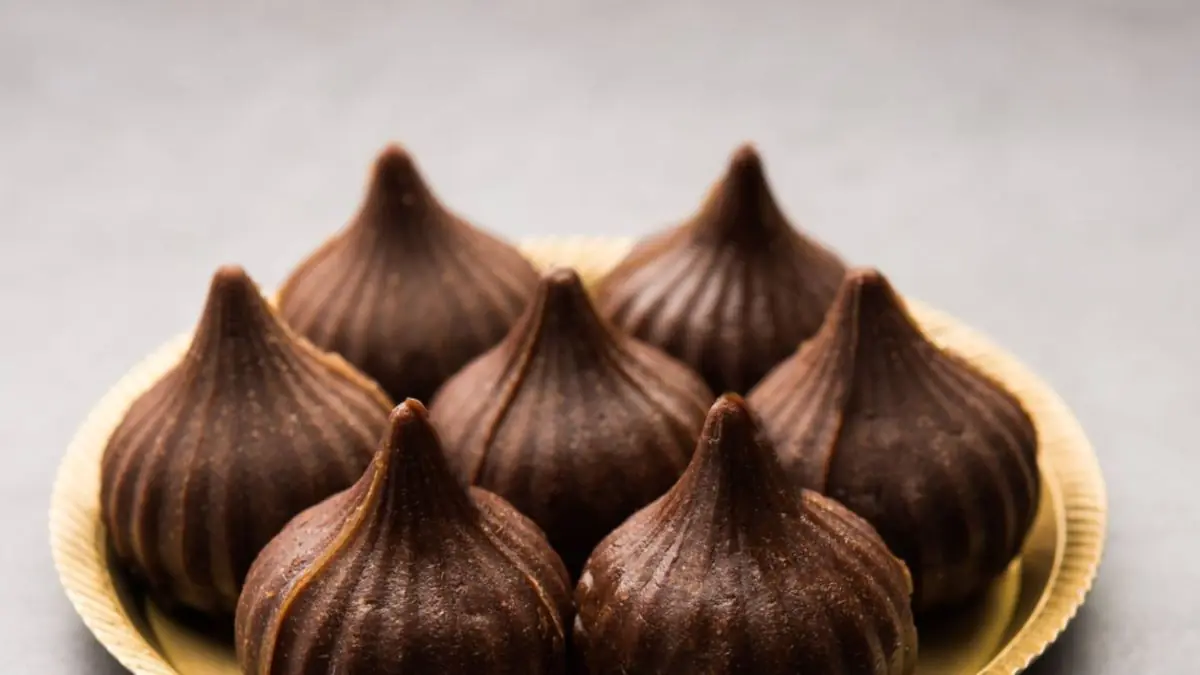
In Japan, chocolate is fermented using kōji, the same mould used to make miso, sake, and soy sauce. Cacao and this centuries-old history of controlled fermentation combine to create kōji-fermented chocolate, which is a bar that is smoother, deeper, and more complex than ordinary chocolate. Unexpected notes of caramel, apple, and umami are unlocked by the kōji’s assistance in breaking down the cacao’s proteins and sugars when the batter is mixed using an electric blender. It’s a perfect illustration of how Japan transforms a common sweet into a subtly avant-garde dessert experience by using an age-old fermentation method to create something contemporary.
Chicha

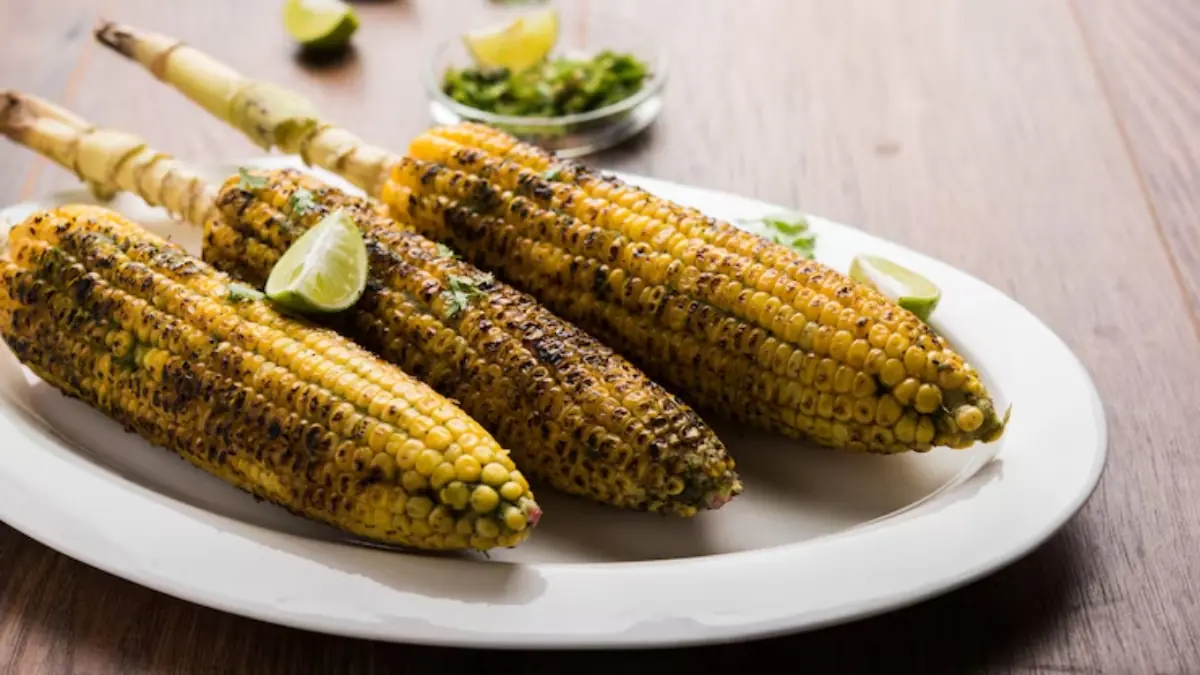
Chicha, a fermented beverage native to Peru, is traditionally made from maize (corn). The fermentation process involves chewing and spitting out the corn, which naturally contains enzymes that convert the starches into sugars. These sugars are then fermented by natural yeasts, resulting in a mildly sweet and tangy drink. Chicha is a source of beneficial bacteria, B vitamins, and minerals. The fermentation process breaks down the corn’s complex carbohydrates, making them more digestible and potentially increasing nutrient availability. While chicha is commonly enjoyed for its cultural significance and refreshing taste, it is worth noting that traditional preparation involves consuming the homemade version, as commercial variations may differ in fermentation techniques.