Non-Stick Pan Care: What Shortens Its Life (and What Doesn’t)
Non-Stick Pan Care: What Shortens Its Life (and What Doesn’t)
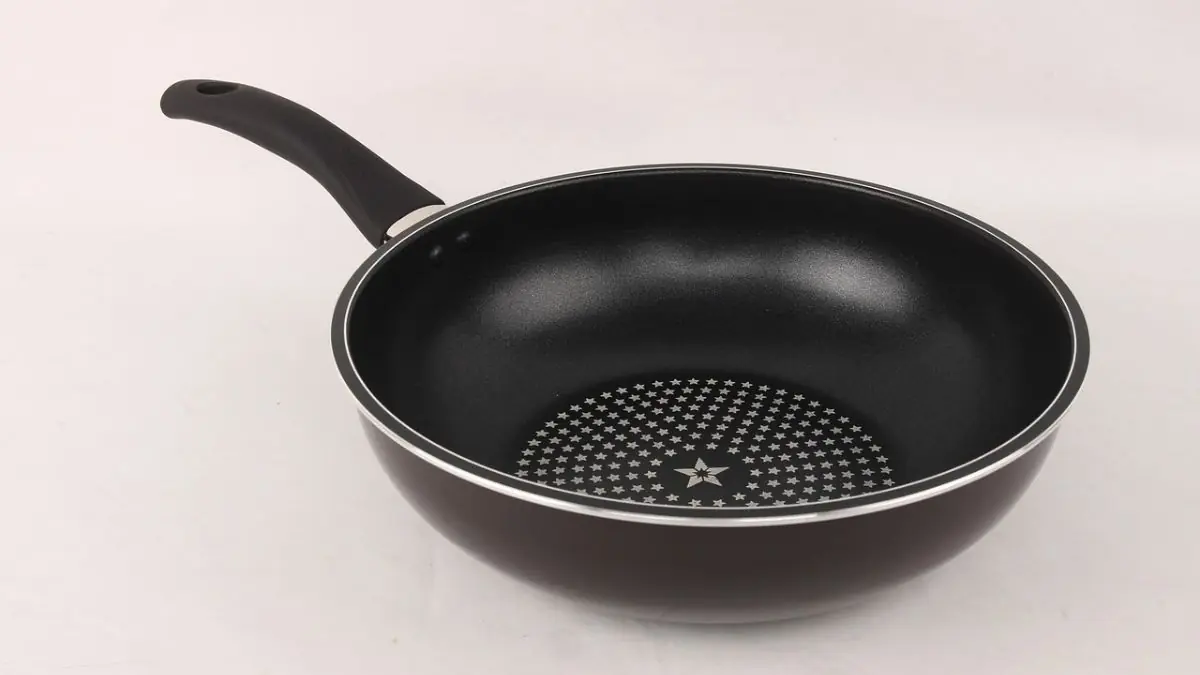


Got a non-stick frying pan at home? While one may try to use it to cook all that comes to mind, from grilled meats to veggies, it is not everything that cooks well in a non-stick frying pan. The purpose of this pan is ideally to prevent the food from sticking to the bottom. However, there are certain food items that are more suitable than others to be cooked in it. Plus, taking care of them properly and cleaning them with rthe ight knowledge can increase their shelf life rather than decrease it. These tips and tricks can work the magic.
Non-stick pans come with a range of benefits, such as ease of cleaning the pan, food not getting stuck to the base, and not having to restore the cookware for a long time to come. These pans can be kept in proper condition for many, many years. Non-stick pans are those utensils that can be used to make most of the foods we love eating, ranging from eggs to pancakes, and fish to custards. Wouldn’t you enjoy having them around longer so you can watch your food slide easily from the stovetop to your plate?
You don’t have to spend a lot of time scrubbing these pans, as food rarely sticks to the surface of the pans. But over time, these pans do tend to get worn out if proper care is not taken. You don’t want to lose out on the many benefits of a non-stick pan now, do you? As long as you keep them in proper condition, you can keep enjoying the use of these pans.
Avoid Using Metal Cutlery
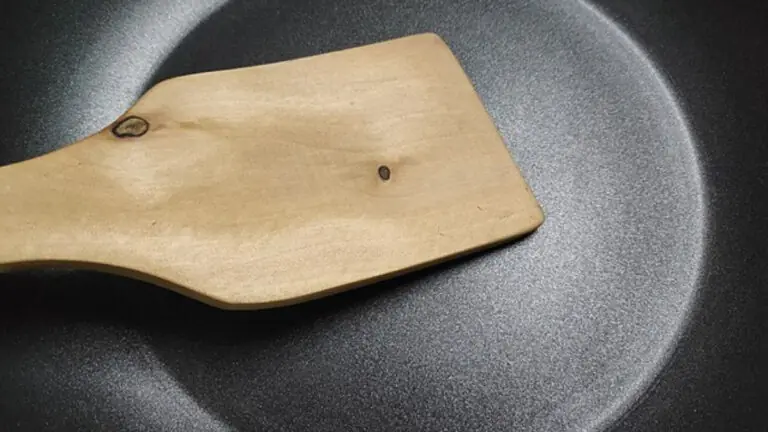
While there really isn’t any point in using metal against the surface, as food never gets stuck to the surface, we still want to put it out there because often, we don’t care what we use when we’re in a hurry. A metal spatula should be avoided at all costs! Use a rubber spatula instead. While cooking things like dosas or parathas, avoid a metal spatula and try using silicone or rubber ones.
Do Not Cook Anything Acidic
You must have been warned by your mother, and far too often, you continue to sauté tomatoes in the non-stick pan. The acid in the tomatoes will cause the pan to start losing its strength. So avoid preparing acidic foods. Many foods, such as anything with lemons, limes, oranges or ingredients have a tang that should be not be cooked in them.
Avoid High Heat While Using A Non-Stick Pan
A lot of times, this is one of the major reasons why a non-stick pan cannot stand very high heat, as it will definitely shorten the lifespan of the pan. Never do this. Further on, non-stick pans can be toxic when put on very high heat, which will affect the taste of the food. High heat also causes food to burn and stick, defeating the purpose of a non-stick pan and reducing its lifespan. Medium to low heat is ideal for safe and long-lasting use.
Do Not Use Harsh Substances To Clean
Always use a gentle scrub instead of steel wool. There is no need to submerge the pan in water for hours and hours. You can simply scrub once and wash. This ensures that you are taking better care of the non-stick pan. After cooking scrambled eggs or pancakes, you might find stuck bits on a non-stick pan. Using harsh chemicals or strong scrubbers to clean them can damage the coating. Instead, soaking the pan in warm water with mild dish soap and wiping it gently will remove the food without harming the surface.
Avoid Using It As A Food Storage Utensil
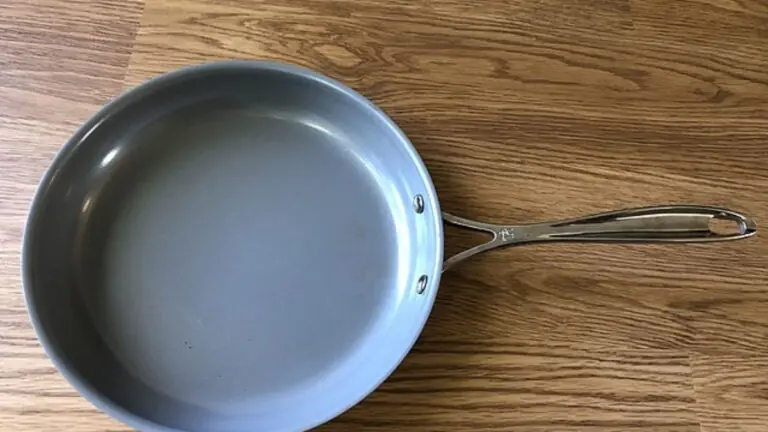
It is important to take into consideration that non-stick pans are meant for a specific purpose, and that is to cook food without letting it stick to the surface of the utensils. Storing the food in a non-stick pan is going to give the food a metallic taste if the food is kept for a long time. It should also not be used for stirring or cooking strong, sticky foods like caramel, jaggery syrup, or thick cheese sauces. These foods need high heat and constant scraping, which can damage the non-stick coating. Over time, this causes the coating to wear off, making the pan unsafe and less effective.
Try Using Vinegar If Your Non-Stick Is Clogged
The easiest thing to do when a case of sludge has clogged your non-stick pan is not to throw it away. There is another way to clean it all up at once without any fuss. Vinegar might come in handy. But there is a trick. You have to mix it with water in a perfect ratio to dilute it. Once you pour on this vinegar and water mixture in the non-stick pan, increase the heat to a medium flame for 5-6 minutes. Then, allow it to cool. It will make grease and filth less sticky. To revitalise your pan, use a mild dishwashing agent and wash it.
Never Forget To Read The Handbook
The most important thing to remember when buying the best non-stick cookware is to always read the labels. They will always include detailed information on how to use and maintain the pans. Additionally, each brand may offer unique advice. Thus, to ensure your cookware lasts longer, it will be easier if you adhere to them exactly.
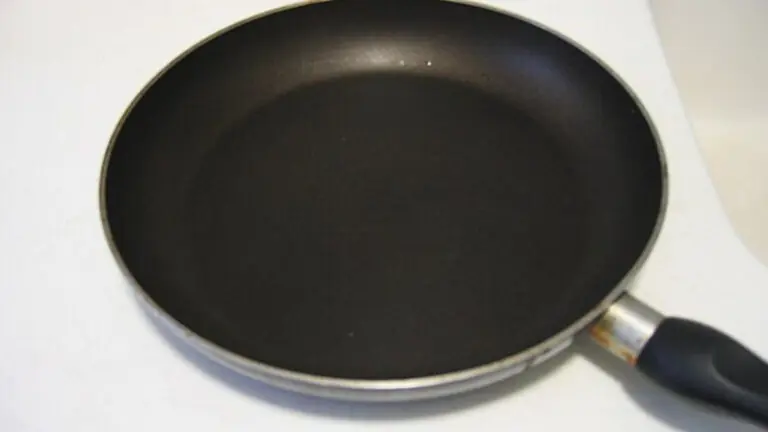
Every non-stick pan has flaws and vulnerabilities. Some will persevere longer than you anticipate, while others will give up sooner. If you are unable to reattach the handles because they are coming off, let’s say you can see the pan’s interior or some terrible, flaking, deep scratches. It signals that it’s time to replace your pan with a new one and throw your old one away.
As per your budget, invest in a premium nonstick pan for yourself. It ought to go on much longer. By following these suggestions, you can extend the lifespan of your inexpensive non-stick frying pans to several years. Additionally, you should never wash the frying pan or kadai before letting it cool. The abrupt temperature shift may damage the coating or make it unsuitable for cooking.