Mango season in India has arrived, and this means that any culinary dish you make or eat will have mango as an ingredient, whether it’s a main course, a snack, a dessert or even a beverage that you like to drink. It’s almost like a mango mania takes over when ripe and raw mangoes come up in the market and every household wants to come up with creative recipes.
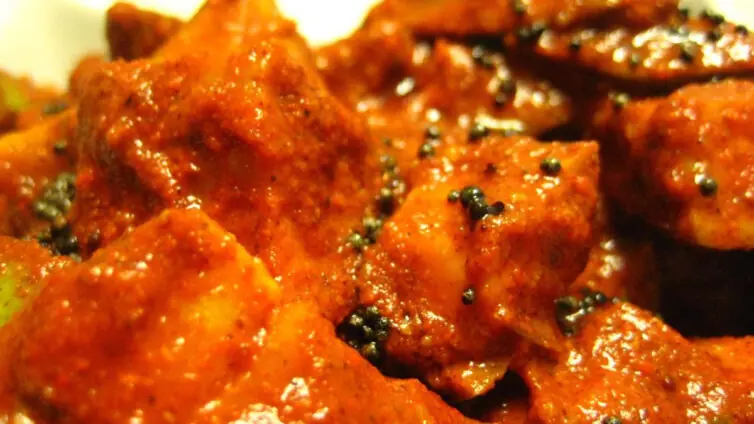
At the same time, in India, when you search for popular and traditional recipes that give you a taste of mangoes in the most authentic ways, mango pickles come to mind. In India, mango pickle is made by preserving raw or slightly ripe mangoes in a mixture of spices, oil, salt, and sometimes vinegar, which is then left to ferment and mature over time, resulting in a tangy, spicy, and flavorful accompaniment to meals.
You might think making mango pickle at home is a very easy task, but no, pickling in itself is an art form that very few households indulge in nowadays, and more so when it comes to homemade mango pickles. This
Mango season in India has arrived, and this means that any culinary dish you make or eat will have mango as an ingredient, whether it’s a main course, a snack, a dessert or even a beverage that you like to drink. It’s almost like a mango mania takes over when ripe and raw mangoes come up in the market and every household wants to come up with creative recipes.
At the same time, in India, when you search for popular and traditional recipes that give you a taste of mangoes in the most authentic ways, mango pickles come to mind. In India, mango pickle is made by preserving raw or slightly ripe mangoes in a mixture of spices, oil, salt, and sometimes vinegar, which is then left to ferment and mature over time, resulting in a tangy, spicy, and flavorful accompaniment to meals.
You might think making mango pickle at home is a very easy task, but no, pickling in itself is an art form that very few households indulge in nowadays, and more so when it comes to homemade mango pickles. This technique of creating mango pickles is so special that if you’re not accustomed to the process, you won’t be able to get the right flavours according to personal preferences.
When you make pickles in general, a great deal of patience, techniques and steps come into play. For homemade mango pickle, each step, starting from the choice of mango variety to the blend of spices, is like a story that unfolds page by page. The process of making mango pickles at home allows for experimentation with spice levels, texture, and additional ingredients, making them truly distinctive and this simple recipe is an easy one to follow that you do not need to rush into.