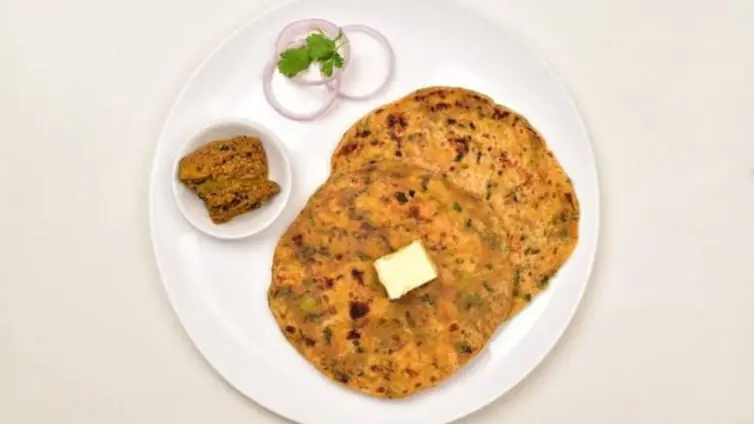
The arrival of winter across the northern plains of the subcontinent brings a vibrant array of fresh, leafy greens to local weekly markets. Among these seasonal treasures, fresh fenugreek leaves, known locally as methi, are particularly celebrated for their distinct earthy aroma and pleasingly bitter profile. Historically, incorporating seasonal greens into flatbreads was a practical way for agricultural households to prepare nutrient-dense meals that provided warmth and sustained energy during long, chilly mornings. The slight natural bitterness of fresh fenugreek leaves is masterfully balanced by kneading them directly into whole wheat dough alongside carom seeds, ginger, and warming spices.
Beyond its rich culinary appeal, fresh winter fenugreek is revered in Ayurvedic tradition for its exceptional health benefits. It is known to aid digestion, regulate blood sugar levels, and generate internal body heat during the cold months. To prepare authentic methi parathas that stay soft for
The arrival of winter across the northern plains of the subcontinent brings a vibrant array of fresh, leafy greens to local weekly markets. Among these seasonal treasures, fresh fenugreek leaves, known locally as methi, are particularly celebrated for their distinct earthy aroma and pleasingly bitter profile. Historically, incorporating seasonal greens into flatbreads was a practical way for agricultural households to prepare nutrient-dense meals that provided warmth and sustained energy during long, chilly mornings. The slight natural bitterness of fresh fenugreek leaves is masterfully balanced by kneading them directly into whole wheat dough alongside carom seeds, ginger, and warming spices.
Beyond its rich culinary appeal, fresh winter fenugreek is revered in Ayurvedic tradition for its exceptional health benefits. It is known to aid digestion, regulate blood sugar levels, and generate internal body heat during the cold months. To prepare authentic methi parathas that stay soft for hours, the delicate leaves are washed thoroughly, chopped finely, and lightly sautéed or directly rubbed into the flour with a touch of ghee before kneading. When rolled out thinly and griddled on a hot tawa until golden spots appear, these golden flatbreads offer a perfect balance of crisp edges and a soft, flaky interior.
Read More
Tips and Tricks
Chop your fresh fenugreek leaves into fine, delicate pieces effortlessly using a sharp Tru-Edge Kitchen Knife.
Wash and drain all excess water from your plucked fenugreek leaves thoroughly using a Multi Shell Food Strainer.
Knead your dough to a smooth, pliable texture without lumps using a PEC 3.0 Electric Chopper with its dough kneading blade.
Griddle your flatbreads to a crisp, golden-spotted finish with even heat distribution using an Omni Tawa.
Maintain precise medium-high heat while roasting your parathas to keep them soft using a PIC 20.0 Induction Cooktop.