Why Is My Thekua Hard Or Greasy? 5 Mistakes To Avoid And How To Fix Them For Chhat Puja
Why Is My Thekua Hard Or Greasy? 5 Mistakes To Avoid And How To Fix Them For Chhat Puja
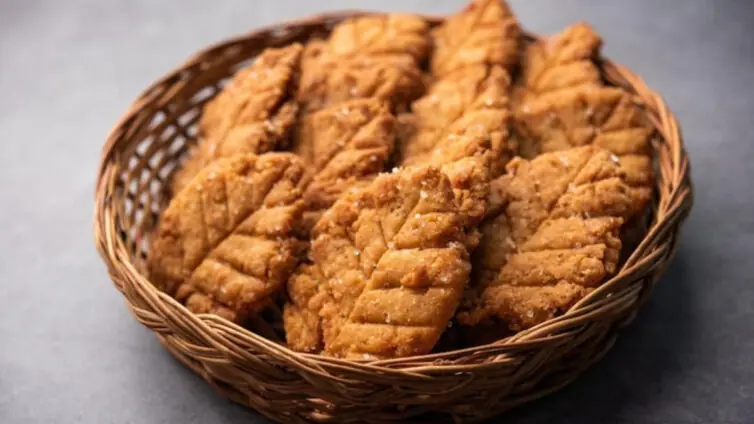


Thekua is a traditional sweet prepared for Chhath Puja, known for its crisp texture and rich flavour. Getting it right at home can take a little practice, as the dough and frying technique determine whether the thekua turns out crunchy or becomes too hard and oily. Here are five common mistakes to avoid when making thekua, along with practical fixes to help you get the texture right.
During the four-day festival of Chhat Puja, observed with deep devotion across Bihar, Jharkhand, and eastern Uttar Pradesh, the kitchen becomes a space of utmost purity and care. At the centre of the ritual offering, known as prasad, sits Thekua, a rustic, deeply aromatic sweet biscuit crafted from whole wheat flour, jaggery, ghee, fennel seeds, and dried coconut. Unlike delicate milk-based sweets, Thekua is designed to be sturdy, travels well, and boasts a distinctive, crisp exterior that gives way to a crumbly, biscuit-like interior. However, because the ingredients are deceptively simple, even minor missteps in hydration, fat ratios, or frying temperatures can ruin a batch, leaving you with biscuits that are either teeth-shatteringly hard or unpleasantly greasy. Mastering the science behind this traditional prasad ensures that your offering honours both taste and tradition.
1. Misjudging The Moyan Ratio
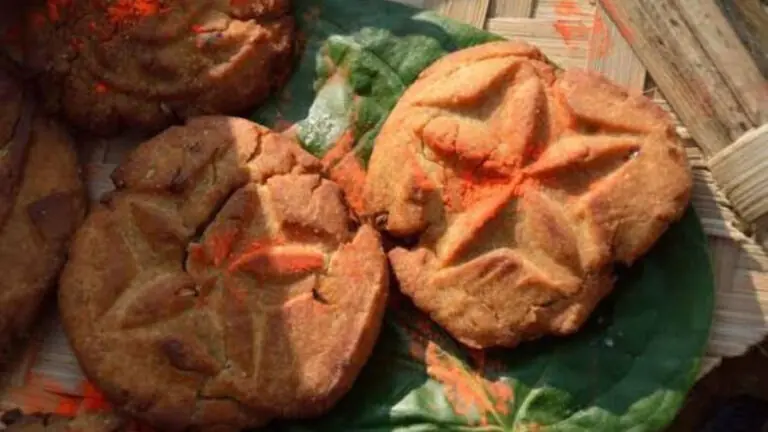
The most frequent culprit behind rock-hard or overly greasy Thekua is an imbalanced moyan, which is the fat rubbed into the flour before adding any liquid. Ghee coats the wheat flour particles, inhibiting gluten formation and creating pockets of air that yield a crumbly, shortbread-like texture. If you use too little ghee, the flour binds too tightly with water, resulting in a dense, hard biscuit. Conversely, adding too much ghee causes the dough to disintegrate in hot oil and absorb excess fat, leaving the finished sweet heavy and greasy. To fix this, always measure your ghee carefully, aiming for roughly a quarter cup of melted ghee per two cups of whole wheat flour. Rub the ghee into the flour with your fingertips until the mixture resembles damp breadcrumbs and holds its shape firmly when pressed in your fist. For an extra layer of aroma, you can coarsely pulse your fennel seeds, green cardamom, and dried coconut in a Mixer Grinder before folding them into the fat-coated flour.
2. Over-Hydrating And Over-Kneading The Dough
Many home cooks instinctively treat Thekua dough like regular chapati dough, adding generous amounts of liquid and kneading it until smooth and elastic. This is a critical error. Developing gluten in Thekua dough guarantees a tough, chewy, and hard result once fried. Thekua dough should be remarkably stiff, dry, and barely held together, almost like a crumbly shortcrust pastry. To fix this, add your cooled jaggery water one tablespoon at a time, bringing the mixture together gently with your fingertips rather than kneading it with the heel of your palm. If the dough feels slightly cracked around the edges when you press it into a ball, it is at the ideal consistency for frying.
3. Boiling The Jaggery Into A Thick Syrup

Another common mistake occurs during the preparation of the jaggery liquid. Some cooks boil the jaggery and water together for too long, inadvertently creating a one-string or hard-ball sugar syrup. When this concentrated syrup cools inside the fried Thekua, the sugars crystallise and turn the biscuit into a solid, unbreakable brick. The goal is simply to dissolve the jaggery, not to cook it into a candy base. Gently heat the crushed jaggery and water in a small saucepan on an Induction Cooktop set to a low wattage, stirring just until the jaggery melts completely. Strain the liquid through a fine sieve to remove any natural impurities, and allow it to cool to room temperature before bringing it anywhere near your flour. Using warm or hot jaggery water will melt the moyan and ruin the crumbly texture.
4. Frying At The Wrong Oil Temperature
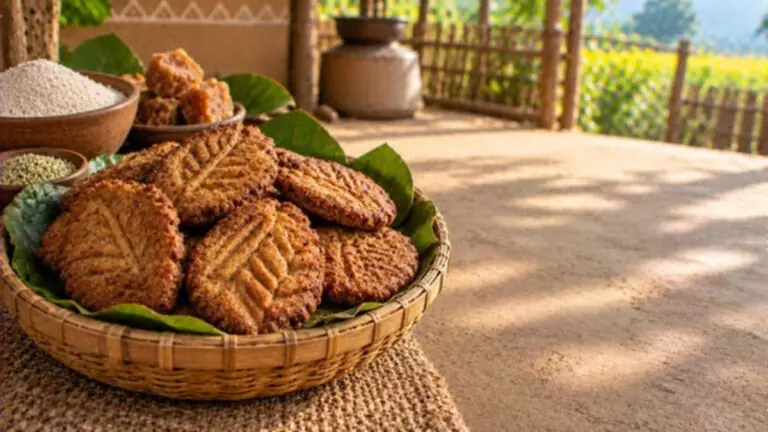
Temperature control during deep-frying is the deciding factor between a crisp, golden Thekua and a soggy, oil-soaked disaster. Dropping the shaped dough into lukewarm oil causes the porous wheat mixture to act like a sponge, soaking up grease before the outer crust can seal. On the other hand, frying in smoking-hot oil burns the jaggery on the outside within seconds while leaving the thick centre completely raw and doughy. To fix this, fry your Thekua in a heavy-bottomed Tri-Ply Stainless Steel Kadai, which distributes heat evenly across the base and curved walls without creating scorching hot spots. Pairing the kadai with an Induction Cooktop allows you to lock in a steady, medium-low temperature throughout the frying process, ensuring the biscuits cook slowly to a rich, uniform mahogany brown while remaining light and dry to the touch.
5. Shaping Too Thickly And Overcrowding The Pan
Traditional wooden moulds, known as sanchas, give Thekua its iconic embossed patterns, but pressing the dough too thickly into the mould makes it nearly impossible for heat to penetrate the centre evenly. At the same time, dropping too many pieces into the kadai at once causes the oil temperature to plummet, triggering the same greasy absorption issue caused by low heat. To fix this, roll your dough portions into smooth balls and press them onto a lightly greased mould to a uniform thickness of roughly half a centimetre. Fry only three or four pieces at a time, giving them ample room to float and crisp up without sticking together. Once fried, drain them on a wire rack rather than piling them on top of each other while hot, allowing residual steam to escape so they harden into a crisp, delicate crunch as they cool.
Honouring Tradition With Effortless Precision
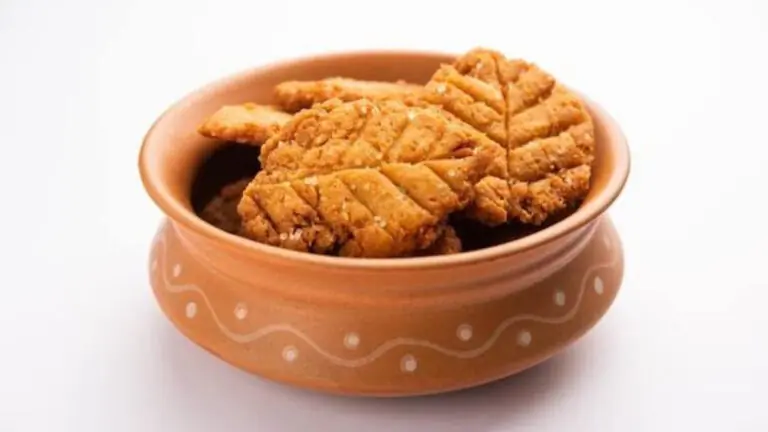
Preparing Thekua for Chhat Puja is an act of devotion, and understanding the subtle mechanics of flour, fat, and heat transforms the process from a stressful gamble into a deeply rewarding ritual. By respecting the stiffness of the dough, keeping your jaggery liquid light, and maintaining steady frying temperatures with dependable kitchenware, every batch will emerge crisp, aromatic, and free of excess grease. Once cooled completely, store your golden Thekuas in clean, airtight steel or glass containers, where they will stay fresh and crunchy for weeks, ready to be shared as blessed prasad with family and neighbours.