Homemade Pizza From Scratch: Make The Dough, Sauce And Toppings Using Modern Appliances
Homemade Pizza From Scratch: Make The Dough, Sauce And Toppings Using Modern Appliances


Making pizza at home starts with good dough, a flavourful tomato sauce and the right cooking technique. A stand mixer can help with kneading, while an induction cooktop and a hot oven make preparing the sauce and baking the pizza easier. With a little practice, you can get a crisp crust, browned edges and bubbling cheese without heading to a pizzeria.
There are few culinary pleasures that rival the scent of freshly baked pizza emerging from a hot oven. While ordering takeout is effortless, making pizza entirely from scratch, from the initial hydration of flour and yeast to simmering a fragrant San Marzano tomato sauce and arranging artisanal toppings, transforms cooking into a true craft. Making exceptional pizza at home does not require a commercial wood-fired brick oven. By harnessing the precision of modern kitchen appliances, home cooks can replicate the perfect balance of a crisp, airy crust, tangy tomato acidity, and gooey, melted cheese. Understanding the science of gluten development, thermal heat transfer, and moisture control is the secret to elevating your homemade pizza from a simple weekend experiment into a gourmet masterpiece.
The Foundation: Crafting The Perfect Pizza Dough
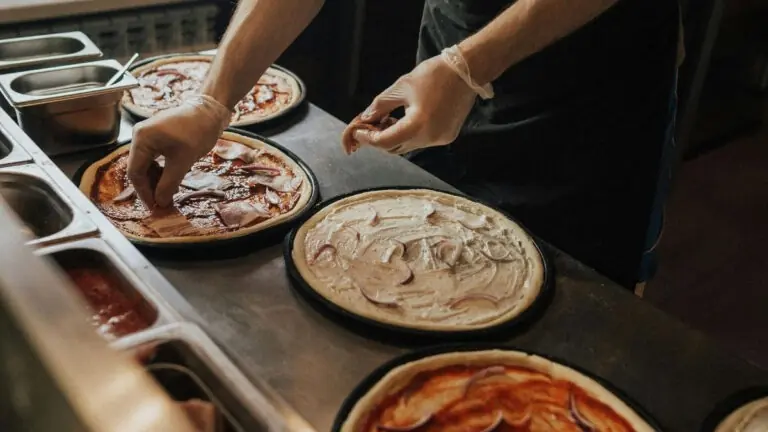
Every great pizza begins with its dough, a humble mixture of strong bread flour, water, yeast, salt, and a touch of extra virgin olive oil. The key to achieving an airy, digestible crust with a chewy crumb and blistered edges lies in gluten development and long fermentation. When water meets flour, proteins combine to form a stretchy gluten network that traps the carbon dioxide gas produced by the yeast. Kneading this dough by hand can be physically demanding, but utilising a heavy-duty dough hook makes quick work of the process. The machine kneads the dough at a steady, optimal speed, developing the gluten structure without overheating the yeast. Once smooth and elastic, the dough is left to ferment slowly overnight in the refrigerator, allowing enzymes to break down complex starches and develop deep, sourdough-like flavour profiles before shaping.
The Sauce: Simmering A Rich San Marzano Tomato Base
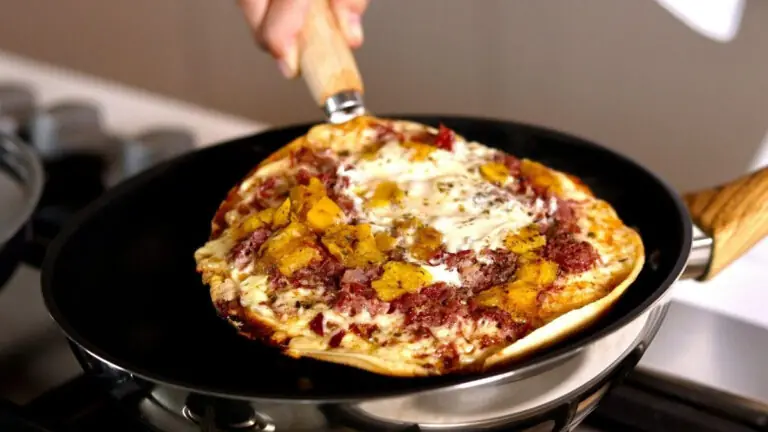
A truly exceptional pizza sauce relies on simplicity, premium ingredients, and careful reduction. Eschewing heavy, over-cooked pastes, authentic pizza sauce starts with whole peeled San Marzano tomatoes, crushed gently by hand or pulsed briefly to retain a rustic texture. The tomatoes are simmered in a wide pan with extra virgin olive oil, bruised garlic cloves, fresh basil leaves, sea salt, and a pinch of sugar to balance the natural acidity. Simmering the sauce requires gentle heat so the watery tomato juices evaporate without scorching the bottom of the pan. Preparing this vibrant sauce on an Induction Cooktop provides exact wattage control, allowing you to maintain a steady, low simmer that concentrates the tomato flavours into a rich, aromatic glaze that coats the back of a spoon.
Toppings And Cheese: Mastering Moisture Control
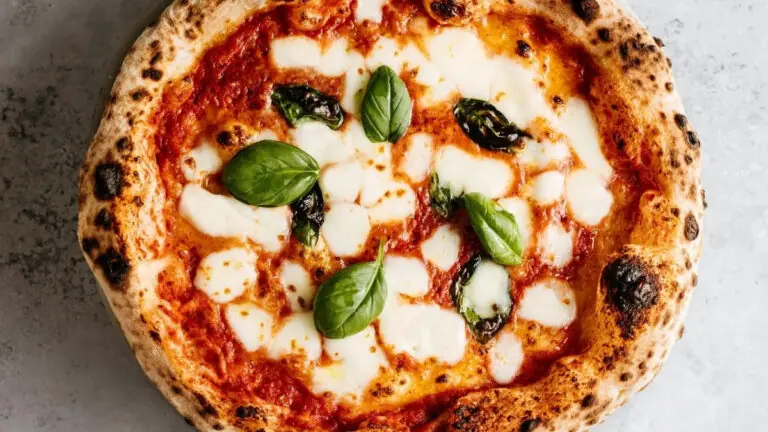
The downfall of many home-baked pizzas is an excess of moisture, which turns the crust soggy and prevents proper browning. When selecting toppings, moisture management is paramount. Fresh mozzarella, while delicious, releases a tremendous amount of water as it melts; slicing it hours in advance and letting the pieces drain on paper towels removes surplus liquid. Similarly, when roasting vegetables like mushrooms, bell peppers, or onions for your toppings, pre-cooking them slightly drives off excess water. Whether you are tearing fresh basil leaves, grating aged parmesan, or arranging cured meats like pepperoni and prosciutto, balancing heavy proteins and high-moisture cheeses ensures that every slice bakes evenly with a crisp, structured base.
Baking To Perfection Using An OTG
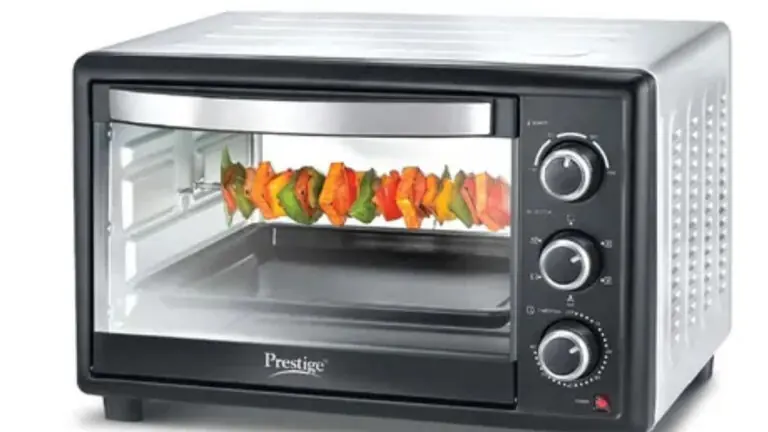
The ultimate test of a homemade pizza is the bake, which requires intense, direct heat to cook the dough through while crisping the bottom and blistering the crust. While home ovens often struggle to reach traditional pizzeria temperatures, utilising an OTG (Oven Toaster Griller) equipped with independent top and bottom heating elements bridges the gap. By placing a heavy baking stone or a cast-iron skillet inside the OTG and preheating it to its maximum temperature for at least forty-five minutes, you create a searing hot cooking surface that mimics a brick oven floor. When the assembled pizza slides onto the blazing hot stone, the bottom crisps instantly, the cheese bubbles furiously, and the crust puffs into a golden, smoky triumph. Slice it immediately on a wooden board and savour the fruits of your labour.