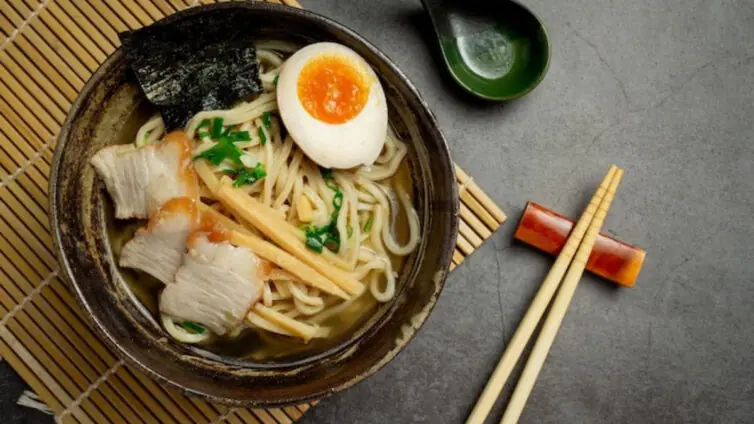
When the monsoon rain starts drumming against the windowpane, nothing hits the spot quite like a bowl of steaming ramen. While authentic Japanese ramen requires hours of patient simmering for tonkotsu broths, you can easily replicate that deeply comforting experience at home. The magic of a great ramen bowl lies in its layers: a rich aromatic broth, perfectly springy noodles, and toppings that add texture and richness. It is an interactive, deeply satisfying meal that warms you up from the inside out.
Making ramen at home does not have to be intimidating, but it does require attention to a few foundational details. Unlike standard instant noodles, real ramen relies on a well-balanced soup base seasoned with tare, which is a concentrated seasoning sauce like soy or miso. You want a broth that carries warmth, garlic, and ginger, layered with toasted sesame oil. The noodles should be cooked just shy of al dente, so they do not turn mushy in the hot liquid.
The finishing touches pull the w
When the monsoon rain starts drumming against the windowpane, nothing hits the spot quite like a bowl of steaming ramen. While authentic Japanese ramen requires hours of patient simmering for tonkotsu broths, you can easily replicate that deeply comforting experience at home. The magic of a great ramen bowl lies in its layers: a rich aromatic broth, perfectly springy noodles, and toppings that add texture and richness. It is an interactive, deeply satisfying meal that warms you up from the inside out.
Making ramen at home does not have to be intimidating, but it does require attention to a few foundational details. Unlike standard instant noodles, real ramen relies on a well-balanced soup base seasoned with tare, which is a concentrated seasoning sauce like soy or miso. You want a broth that carries warmth, garlic, and ginger, layered with toasted sesame oil. The noodles should be cooked just shy of al dente, so they do not turn mushy in the hot liquid.
The finishing touches pull the whole bowl together. A classic ramen egg with a jammy, custard-like yolk adds luxury, while crisp greens, scallions, and a drizzle of chilli oil provide a sharp contrast to the rich broth. It is an intentional, rewarding cooking project that turns a rainy evening into a mini culinary celebration.
Read More
Tips and Tricks
Control the simmering temperature of your aromatic broth precisely by using the manual power wattage settings on an Induction Cooktop.
Blend your garlic, ginger, and seasoning ingredients smoothly into an even paste using a high-efficiency Mixer Grinder.
Heat up water rapidly for blanching your bok choy and cooking noodles using a fast-boiling Electric Kettle.
Blend speciality tare ingredients or rich broths smoothly right in the pot using a versatile Hand Blender.
Extract maximum depth and tenderness quickly if preparing a rich meat-based broth from scratch using a sturdy Pressure Cooker.