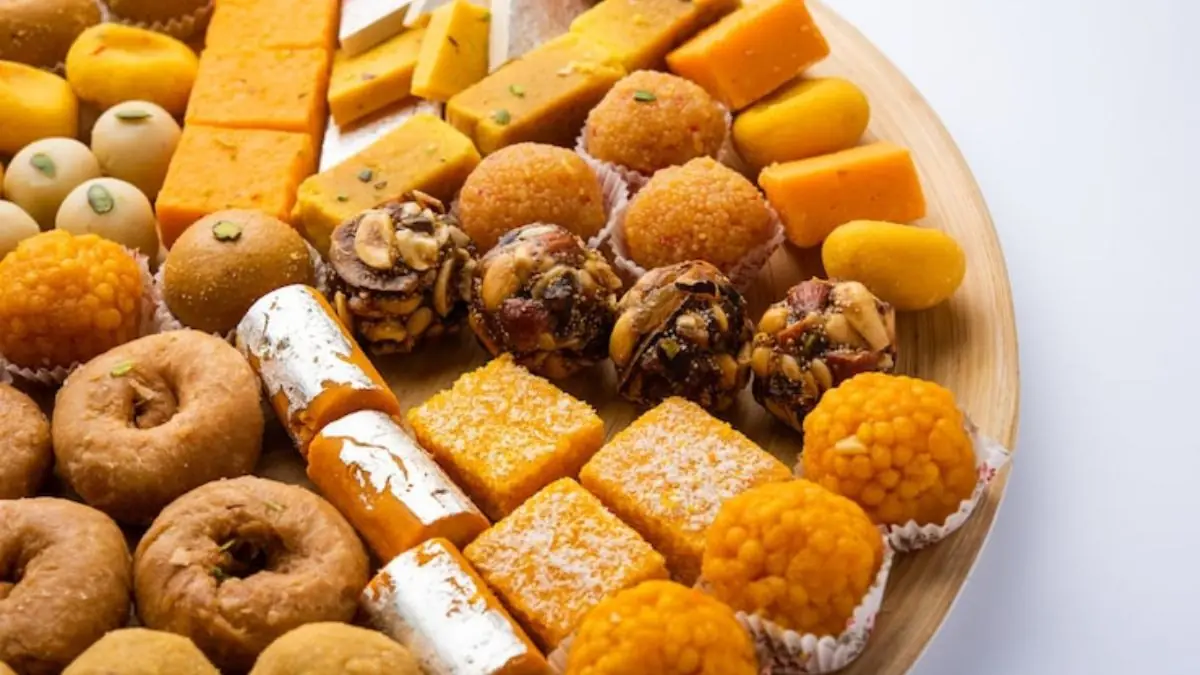
Govardhan Puja Annakut: 5 Dishes In The Traditional Offering
Govardhan Puja Annakut: 5 Dishes In The Traditional Offering



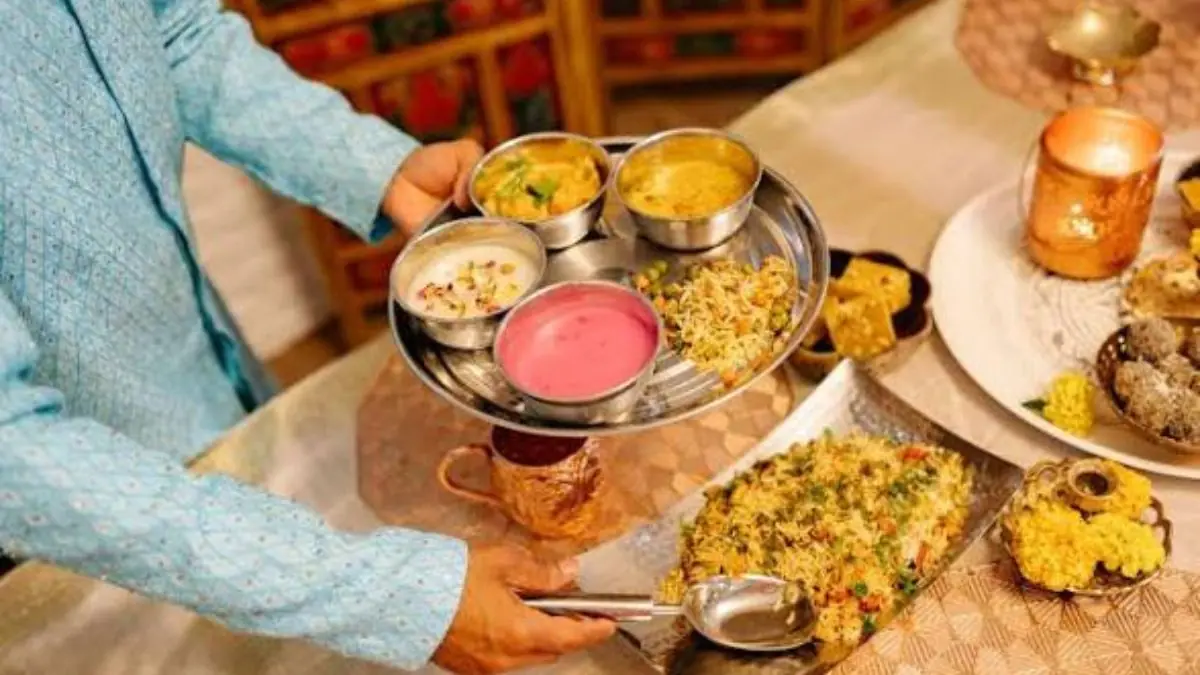
Govardhan Puja is marked by Annakut, an offering of an elaborate spread of food to Lord Krishna. The tradition brings together devotion, seasonal produce and sattvic cooking, with dishes prepared using ingredients such as grains, vegetables, dairy and spices. Here are five traditional dishes associated with the Annakut offering, their cultural significance and tips for preparing them with modern kitchen appliances.
Observed on the fourth day of the Diwali festivities, Govardhan Puja commemorates the legendary moment when Lord Krishna lifted Mount Govardhan on his little finger to shelter the villagers of Vrindavan from torrential rains. In gratitude, devotees prepare Annakut, a magnificent spread of freshly cooked vegetarian food arranged like a miniature mountain before the deity. Historically, this festival also marks the arrival of the autumn harvest, celebrating newly gathered grains, seasonal vegetables, and fresh dairy. Because the offering is strictly sattvic, every dish is prepared without onion or garlic, relying instead on pure ghee, warming whole spices, and fresh herbs to coax out natural flavours. Crafting such an elaborate, multi-dish prasad at home is a labour of love, and pairing traditional recipes with reliable kitchen appliances ensures each offering is cooked to perfection.
1. Annakut Ki Sabzi: The Harvest Vegetable Medley

At the heart of the Govardhan Puja thali sits Annakut Ki Sabzi, a vibrant, comforting curry that brings together dozens of seasonal autumn vegetables in a single pot. Traditional recipes call for a generous mix of pumpkin, aubergine, cauliflower, radish, green peas, okra, carrots, and leafy greens, all simmered together with ginger, green chillies, cumin, and dry mango powder. The magic of this dish lies in balancing varied cooking times so that delicate greens wilt gently while dense root vegetables become tender without turning mushy. Cooking this hearty medley in a Tri-Ply Stainless Steel Kadai ensures uniform heat distribution across the wide base and curved walls, allowing the spices to bloom evenly in ghee and the vegetables to cook in their own natural juices without scorching.
2. Sattvic Kadhi Chawal: Spiced Yoghurt Curry And Rice
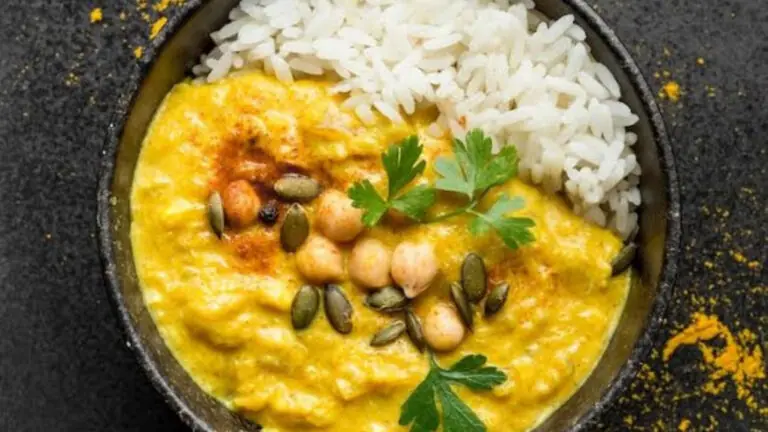
No Annakut feast is complete without the soothing, tangy pairing of Kadhi Chawal. The kadhi is prepared by whisking sour yoghurt with gram flour and turmeric, then simmering it slowly with a fragrant tempering of mustard seeds, fenugreek, asafoetida, and curry leaves. Managing the heat during this step is crucial, as boiling yoghurt too aggressively can cause the dairy proteins to split and curdle. Preparing the kadhi on an Induction Cooktop provides exact, low-wattage temperature control, keeping the curry at a gentle, steady simmer until it thickens into a velvety, golden sauce. Alongside it, preparing the basmati rice in a Svachh Pressure Cooker guarantees light, fluffy, and separate grains in minutes, while its spillage-control lid keeps starchy foam from staining the stovetop.
3. Kesar Badam Kheer: Slow-Simmered Saffron Rice Pudding
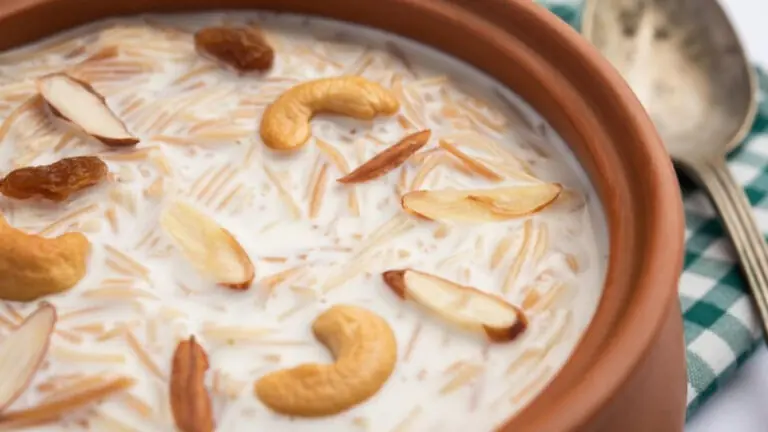
A sacred offering requires a classic milk-based sweet, and Kesar Badam Kheer fulfils this role with timeless elegance. Crafted by simmering aged basmati rice in full-fat milk until the starches release and thicken the liquid naturally, this pudding is perfumed with crushed green cardamom, warm saffron strands, and slivered almonds. The challenge with traditional kheer is preventing the milk solids from catching and burning at the bottom of the pot during the prolonged reduction. Simmering the milk gently in a Hard Anodised Saucepan offers superior heat retention and a smooth, non-reactive surface that prevents sticking, allowing the kheer to develop a rich, creamy consistency and a delicate ivory-gold hue.
4. Makhan Mishri: Freshly Churned White Butter And Rock Sugar
Because Govardhan Puja honours Lord Krishna, his absolute favourite childhood delicacy, Makhan Mishri, holds a place of pride in the offering. This deceptively simple dish consists of fresh, unsalted white butter topped with crystalline rock sugar (mishri) and a few sacred tulsi leaves. Rather than using store-bought salted butter, devotees traditionally churn chilled malai (clotted cream) with ice-cold water until the rich butterfat separates cleanly from the buttermilk. Whipping chilled cream into light, airy butter takes mere seconds when using a Blender, whose high-torque blades agitate the cream rapidly without generating excess heat, yielding pure, snowy-white makhan ready to be crowned with crunchy mishri crystals.
5. Moong Dal Halwa: Golden Lentil Confection
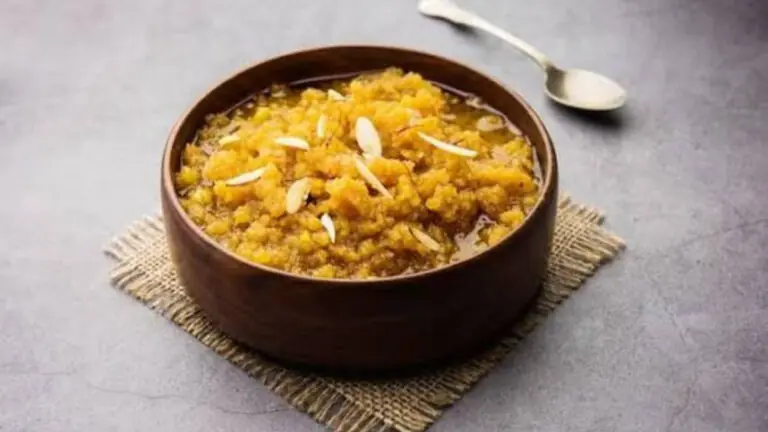
To anchor the sweet portion of the Annakut spread, many households prepare Moong Dal Halwa, an indulgent winter classic celebrated for its nutty aroma and melt-in-the-mouth texture. Yellow split moong lentils are soaked until plump, drained, and ground into a coarse, slightly grainy paste. Achieving that ideal coarse texture without turning the lentils into a watery puree is effortless with a Prestige Mixer Grinder, which pulses the soaked dal evenly in short bursts. The paste is then slow-roasted in generous amounts of pure ghee until deeply golden and fragrant, before being simmered with warm milk, sugar, and cardamom. Finishing the halwa with a garnish of cashews and pistachios toasted to a crisp crunch in an OTG (Oven Toaster Griller) adds a wonderful textural contrast to the rich, spoonable pudding.
Sharing The Prasad With Community And Family
Once the prayers are concluded and the mountain of food has been offered in devotion, the true spirit of Govardhan Puja comes alive as the Annakut is distributed as prasad among family, neighbours, and the wider community. Bringing together humble autumn vegetables, comforting yoghurt curries, freshly churned butter, and slow-cooked sweets creates a deeply nourishing feast that celebrates both culinary heritage and collective gratitude. With thoughtful preparation and dependable kitchen tools supporting every step, hosting this sacred celebration becomes a joyful, stress-free ritual that honours tradition in every bite.