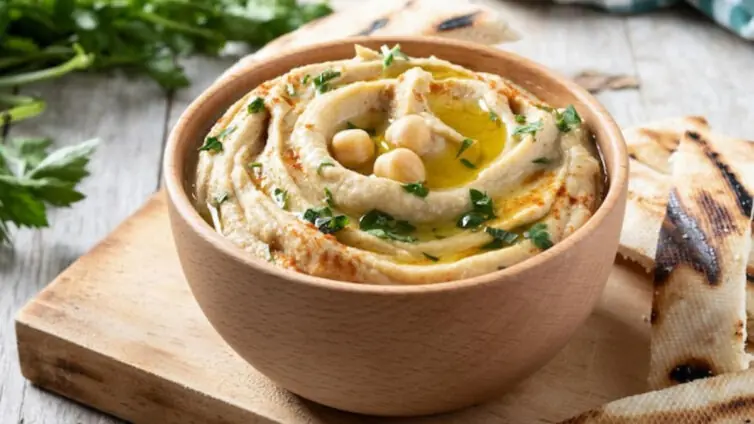
Hummus has a rich culinary lineage that stretches across the Middle East and the Mediterranean basin. The word hummus literally translates to chickpeas in Arabic. For centuries this humble legume has been a cornerstone of regional diets providing essential plant based protein and daily sustenance. Historically it was mashed by hand using a mortar and pestle to create a coarse rustic paste that sustained agricultural workers and city dwellers alike. As ancient trade routes expanded the basic mashed chickpeas met toasted sesame seeds from which tahini is ground. This marriage of simple ingredients created the silky emulsion we recognise today.
In modern kitchens hummus has gained immense popularity as a highly nutritious spread that easily takes mayonnaise off your plate. Traditional mayonnaise relies on raw eggs and a substantial amount of refined oil which makes it high in saturated fats and heavy on the stomach. Hummus on the other hand derives its creamy texture from the natural star
Hummus has a rich culinary lineage that stretches across the Middle East and the Mediterranean basin. The word hummus literally translates to chickpeas in Arabic. For centuries this humble legume has been a cornerstone of regional diets providing essential plant based protein and daily sustenance. Historically it was mashed by hand using a mortar and pestle to create a coarse rustic paste that sustained agricultural workers and city dwellers alike. As ancient trade routes expanded the basic mashed chickpeas met toasted sesame seeds from which tahini is ground. This marriage of simple ingredients created the silky emulsion we recognise today.
In modern kitchens hummus has gained immense popularity as a highly nutritious spread that easily takes mayonnaise off your plate. Traditional mayonnaise relies on raw eggs and a substantial amount of refined oil which makes it high in saturated fats and heavy on the stomach. Hummus on the other hand derives its creamy texture from the natural starches in chickpeas and the healthy fats found in olive oil and sesame paste. This makes it a fantastic protein rich dip that supports a balanced diet without compromising on richness or mouthfeel. It provides a creamy binding agent for sandwiches and wraps while adding a robust and savoury flavour profile.
The secret to achieving a restaurant quality smooth texture at home lies in how you treat the chickpeas and the tahini. Peeling the boiled chickpeas removes their fibrous skins and results in a dramatically smoother puree. Adding a few ice cubes to the blender while processing helps whip the tahini into a pale and airy consistency. A generous squeeze of fresh lemon juice and a touch of roasted cumin bring a bright acidity and warm earthiness that balances the rich sesame flavour. Serving this freshly made dip with warm flatbreads or crisp vegetable sticks transforms a simple snack into a highly satisfying and nourishing experience.
Read More