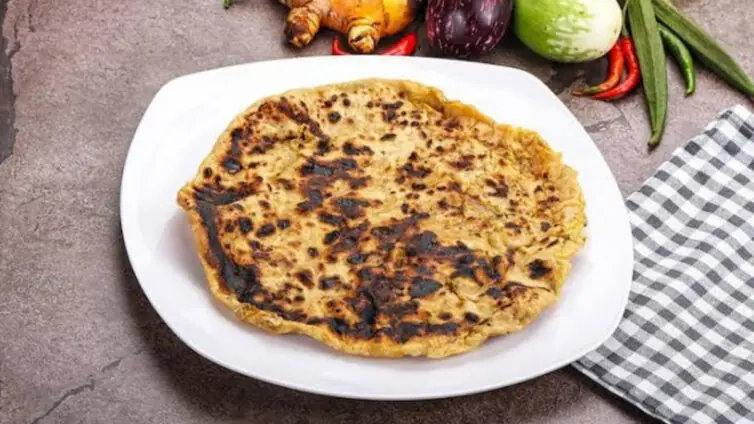
During Karwa Chauth, people usually eat simple food that is made from vrat-friendly ingredients like rajgira flour, sabudana, or kuttu. Rajgira paratha is one such dish that feels balanced and keeps you satisfied through the fasting period. The flour, made from amaranth seeds, has a light earthy taste, and when it is mixed with boiled potatoes, it becomes soft and easy to roll out. The paratha turns slightly crisp on the outside when cooked with ghee, and soft inside, which makes it perfect for a meal that is both light and filling.
Preparing this paratha is not complicated but it takes a little patience while mixing the dough because rajgira flour has no gluten and can break easily. The potato helps it bind together, and a bit of rock salt, green chilli, or even cumin powder can be added for mild flavour. Once the dough is ready, small balls are flattened gently and cooked one by one on a hot tawa till small brown spots appear.
In many homes, this paratha is part of the sargi or the e
During Karwa Chauth, people usually eat simple food that is made from vrat-friendly ingredients like rajgira flour, sabudana, or kuttu. Rajgira paratha is one such dish that feels balanced and keeps you satisfied through the fasting period. The flour, made from amaranth seeds, has a light earthy taste, and when it is mixed with boiled potatoes, it becomes soft and easy to roll out. The paratha turns slightly crisp on the outside when cooked with ghee, and soft inside, which makes it perfect for a meal that is both light and filling.
Preparing this paratha is not complicated but it takes a little patience while mixing the dough because rajgira flour has no gluten and can break easily. The potato helps it bind together, and a bit of rock salt, green chilli, or even cumin powder can be added for mild flavour. Once the dough is ready, small balls are flattened gently and cooked one by one on a hot tawa till small brown spots appear.
In many homes, this paratha is part of the sargi or the evening meal before the fast. Some people prefer to eat it after the fast too, as it is gentle on the stomach. The best way to enjoy it is with curd, plain or sweetened, or with aloo sabzi that is made without onion and garlic. It also pairs well with homemade peanut chutney or coconut yoghurt.
Rajgira paratha gives steady energy through the day because of its protein and fibre content. It is one of those traditional fasting dishes that is both nutritious and comforting at the same time. Even outside of fasting days, many people like to make it for breakfast because it tastes wholesome and has a natural warmth from the ghee and flour.