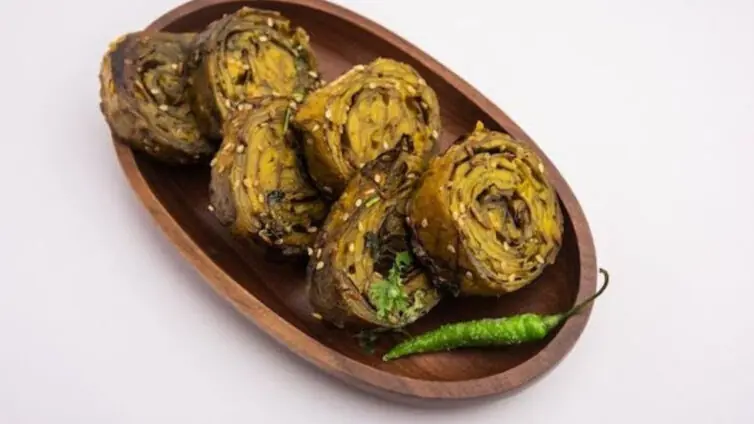
The onset of the monsoon brings a dramatic transformation to the landscape, ushering in an abundance of wild greens and seasonal produce. Among these, colocasia leaves, with their broad elephant ear shapes, become a fleeting but treasured staple in coastal and agrarian kitchens. Historically, foraging these leaves during the heavy rains required a deep understanding of local flora, as only the tender, light green leaves were deemed fit for consumption. The preparation of this dish is a testament to traditional culinary wisdom, which cleverly paired these leaves with a generous dose of tamarind or raw mango. This sour element is crucial, as it neutralises the naturally occurring calcium oxalate crystals in the leaves that otherwise cause a severe itching sensation in the throat.
Beyond its practical chemistry, this dish represents the ethos of zero waste and seasonal eating. It is deeply connected to monsoon festivals and the agricultural calendar, serving as a warming and energy dense
The onset of the monsoon brings a dramatic transformation to the landscape, ushering in an abundance of wild greens and seasonal produce. Among these, colocasia leaves, with their broad elephant ear shapes, become a fleeting but treasured staple in coastal and agrarian kitchens. Historically, foraging these leaves during the heavy rains required a deep understanding of local flora, as only the tender, light green leaves were deemed fit for consumption. The preparation of this dish is a testament to traditional culinary wisdom, which cleverly paired these leaves with a generous dose of tamarind or raw mango. This sour element is crucial, as it neutralises the naturally occurring calcium oxalate crystals in the leaves that otherwise cause a severe itching sensation in the throat.
Beyond its practical chemistry, this dish represents the ethos of zero waste and seasonal eating. It is deeply connected to monsoon festivals and the agricultural calendar, serving as a warming and energy dense food during cold, damp days. While the core technique of layering and steaming remains a shared heritage across the western coastline, local variations dictate the batter composition, ranging from spiced rice pastes to seasoned chickpea flour. Serving these steamed pinwheels, either plain with a drizzle of coconut oil or lightly tempered with mustard seeds, continues to be a cherished monsoon ritual that connects modern kitchens to ancient foraging traditions.
Read More